
Livraison le jour même ou le lendemain

Qualité garantie

Débloquez vos offres de bienvenue: Livraison GRATUITE | Jusqu'à -80 % | 30 jours d'essai gratuits à JoyPlus
Téléchargez l'application
Sometimes, wall décor is all it takes to transform a living room, bedroom or hallway without embarking on major renovations. However, it is important to avoid unwelcome surprises, such as unsuitable dimensions, missing hanging hardware or materials that are difficult to maintain. Before buying a photo frame, framed poster or decorative picture, it is therefore worth checking a few practical details rather than judging it on appearance alone.
A model described as compact may end up taking up a significant part of the wall once installed. Measure the available width and height accurately, taking nearby furniture, doors and light switches into account.
For a gallery wall, also consider the space between each item. Frames placed too close together can quickly look cluttered, whereas a few extra centimetres can make the overall arrangement much easier to appreciate.
An integrated hanging system does not always mean you can overlook the need to choose the right wall fixings. Some products are sold without screws or wall plugs because the necessary hardware depends on the surface: plasterboard, concrete, brick or wood.
A heavy frame must be secured with hardware suitable for the wall. Check its weight and avoid installing a substantial piece above a sofa or bed without the appropriate fixings. Models made from metal or glass, or with a deep structure, require particular care.
Wall décor may look very appealing in a photograph but become inconvenient in everyday use. Glass reflects more light, plexiglass is easy to clean but scratches more easily, while paper and MDF should be protected from moisture.
If you like changing your photos regularly, choose a frame that is easy to open. In a kitchen or bathroom, also check that it is intended for indoor use and that its materials can withstand exposure to steam.
Start by checking the size of the image or item you want to display. A 30 × 40 cm photo frame can hold an image of the same size, but a mount often reduces the area that is actually visible. To display several memories, a multi-photo frame will generally state the number and format of compatible photos.
Orientation is also important: some frames can be hung vertically or horizontally, while others are designed solely for portrait format. This is worth considering above a sideboard or when decorating a narrow hallway wall.
The FSC label indicates that the wood comes from a supply chain certified as responsibly managed. However, it is not enough on its own to assess the product’s sturdiness: also check its dimensions, weight, depth and hanging system.
In most cases, a dry or microfibre cloth is enough to remove dust. Avoid using water on MDF, untreated wood and paper prints. Before drilling, hold the product in place with masking tape or trace its outline onto a cardboard template. This will allow you to check its alignment and proportions in relation to nearby furniture.
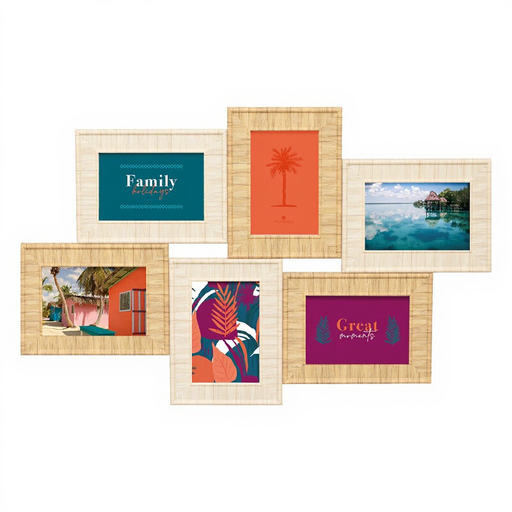
Why this choice suits this profile : This multi-photo frame holds six 10 × 15 cm photos in a 64.5 × 41 × 2 cm arrangement. A simple way to create your first gallery wall in a living room, bedroom or hallway.
The number and format of the openings are clearly stated. This helps you avoid buying a frame that is incompatible with the prints you already have.
Transparent glass, vertical or horizontal orientation and integrated steel hooks. Wall fixings must, however, be selected separately.
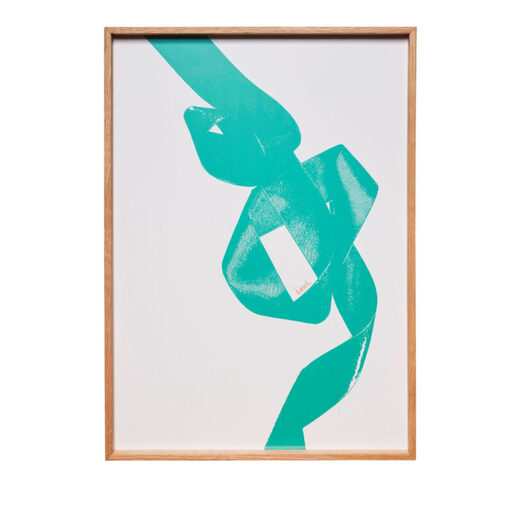
Why this choice suits this profile : Its 50 × 70 cm image format is ideal for a poster, photograph or large-format print in an office, bedroom or hallway.
The internal and external dimensions are specified. This makes it easier to prepare your poster and anticipate the amount of wall space required.
FSC-certified oak wood, plexiglass, a depth of 5 cm and reversible design. The frame can be hung on the wall or placed on a shelf.
Why this choice suits this profile : This metal piece is suitable for a living room, hallway or wall above a console table when you want permanent décor with no contents to update.
Its dimensions, weight of 1.6 kg and cast-iron material are clearly stated. You can therefore choose fixings suitable for the surface before installation.
Metal structure, round shapes in several sizes and installation possible horizontally or vertically. A dry cloth is recommended for care.
We have brought together a complete, real-time updated selection of products that meet these demanding criteria and European safety standards.
When combining several items, follow a simple visual rule: use the same frame colour, a palette of similar shades or aligned formats. A natural wood frame pairs easily with botanical illustrations and décor in soft tones. A metal frame, meanwhile, can add character to a contemporary interior, particularly when combined with geometric or monochrome designs.
In a living room, a horizontal arrangement naturally extends the lines of a sofa or sideboard. In a bedroom, choose calming subjects and colours without overloading the wall opposite the bed. In a hallway, a photo frame or small decorative picture creates a welcoming focal point without obstructing movement.
Use wall plugs designed for plasterboard and check the maximum load specified by the manufacturer. For a heavy item, locate a stud if possible or distribute the load across several fixing points. Suitable screws and wall plugs are not always supplied.
A distance of 5 to 10 cm is a good starting point for creating a balanced arrangement. Adjust it according to the size of the frames: larger pieces may need more space, while small photos work perfectly well in a closer arrangement.
Avoid direct sunlight, moisture and applying cleaning products directly to the image. Dust it with a dry cloth, then clean the glass or plexiglass separately, taking care not to press too hard.