
Livraison le jour même ou le lendemain

Qualité garantie

Débloquez vos offres de bienvenue: Livraison GRATUITE | Jusqu'à -80 % | 30 jours d'essai gratuits à JoyPlus
Téléchargez l'application
A blank wall is a canvas for expression. But turning it into a centrepiece for your decor can quickly become a daunting task. Between dream photos and reality, buying wall decor can sometimes lead to unpleasant surprises: a sticker that peels off the paint, an object too heavy for drywall, or colours that look nothing like they did online.
This guide is here to provide clear benchmarks, help you avoid common pitfalls, and choose decor that will enhance your interior while being perfectly suited to your walls and daily life.
The market is full of seemingly good ideas that are as appealing as they are disappointing in practice. Here are the most common mistakes and, more importantly, how to avoid them.
It's every renter's nightmare. Many low-quality stickers use an adhesive so aggressive that when removed, it rips off the paint or leaves a sticky residue that's impossible to clean. The perfect wall sticker should come off without a trace, saving you from having to break out the paint can.
A metal wall decoration adds instant character. However, be warned: its weight is a crucial factor. A model that's too heavy, secured with basic anchors in drywall, risks tearing right out and damaging the wall. The golden rule: check the object's weight and ensure your wall (and your fixings) can support it.
Beware of online photos. Studio lighting flatters colours, which can turn out to be quite different once in your home. Product stagings are also expert at playing with proportions: a small decoration can look huge in a living room photo, leading to guaranteed disappointment upon unboxing.
To make the right choice, don't rely on photos alone. Focus on these few technical and objective criteria.
The material is key. It determines not only the style but also the durability and maintenance of your decor.
Before you click "Buy," inspect your wall. Is it concrete, brick, or drywall?
To avoid the "postage stamp" effect (too small) or, conversely, a piece that overwhelms the space, get out your tape measure. The golden rule: aim for a decoration that occupies about two-thirds of the width of the empty space (above a sofa, a headboard...). A pro tip: use masking tape to simulate the object's dimensions on the wall. It's the best way to visualise the actual footprint before ordering.
To move from theory to practice, here are a few products that check all the boxes for different profiles and budgets.
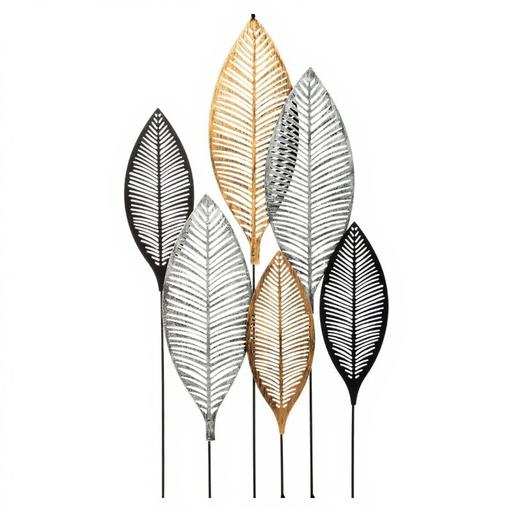
Why we chose it: Perfect for adding character to a living room wall or hallway. Its openwork design plays with light and shadow to animate the surface, bringing texture and a strong contemporary style.
Weighing just 700 grams, this piece is light enough to be fixed on most walls, including drywall, with appropriate fixings (not included). The risk of overloading is thus eliminated.
Its steel structure with a durable coating. The intricate design offers a refined finish that dresses up a plain wall without ever overwhelming the space.

Why we chose it: Ideal for creating a world that is both playful and calming. The adhesive wallpaper format transforms a wall in an instant, and the sea theme is an invitation to dream for the little ones.
Its "peel and stick" design is made for ultra-simple application and removal. It's the perfect answer to the fear of damaging walls in a child's room, a space that evolves over the years.
An all-in-one solution that combines the simplicity of a sticker with the visual impact of wallpaper, all without messy glue or complicated tools.
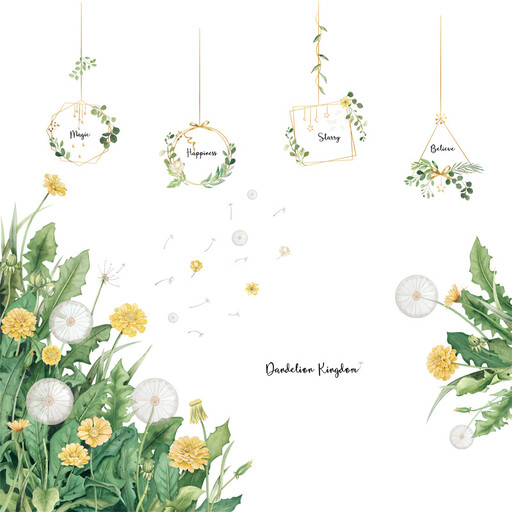
Why we chose it: The simplest and most budget-friendly solution to bring nature indoors, without the hassle of watering. Perfect for renters who want to personalise their interior temporarily and in a 100% reversible way.
The "Peel and Stick" principle guarantees clean, residue-free removal—the number one criterion when you're renting. It eliminates the risk of overly stubborn adhesives.
Total flexibility. The elements are separate, allowing you to create your own composition on a wall, a door, or even a piece of furniture.
Discover our full selection of products that meet our quality charter and safety standards.
Clean and dry the surface thoroughly. Peel off a small part of the sticker, position it, and smooth it from the centre outwards with a small squeegee (or a credit card) to push out the air. Continue by gradually peeling back the paper backing while smoothing. If a bubble persists, discreetly prick it with a fine needle and smooth it out again.
Absolutely. The secret is the anchor. For objects weighing a few kilograms, self-drilling anchors or, even better, Molly bolts are essential. They offer a much higher load capacity than a simple screw. Always check the object's weight and the maximum load supported by your chosen anchor.
Normally, no. A quality adhesive wallpaper is specifically designed to be removed without causing damage to a healthy, well-applied coat of paint. To minimise risks, wait at least 3 to 4 weeks after painting your wall. If you encounter resistance, here's a tip: gently heat the surface with a hairdryer to soften the adhesive, then pull slowly and parallel to the wall.