
Livraison le jour même ou le lendemain

Qualité garantie

Débloquez vos offres de bienvenue: Livraison GRATUITE | Jusqu'à -80 % | 30 jours d'essai gratuits à JoyPlus
Téléchargez l'application
The wall decal has become an essential decor hack for transforming an interior effortlessly and affordably. Whether you're creating a playful world in a child's room, adding a touch of nature to the living room, or simply personalising a dull wall, the wall sticker promises a rapid metamorphosis. However, this apparent simplicity hides a few common pitfalls that can turn a great idea into a disappointment. Adhesive that peels off paint, colours that don't match the photo, or an application process that turns into a nightmare are frequent issues.
As our editorial team's head of product curation, my mission is to help you navigate the options and make an informed choice. This guide reveals the crucial points to check and presents a selection of products suited to different needs, ensuring your wall decor project is a complete success.
Before you get started, watch out for these three recurring problems that can spoil your experience.
To avoid these pitfalls, a few technical checks are necessary. They will ensure you choose a durable and easy-to-apply product.
The most common material for wall decals is PVC (polyvinyl chloride). It is valued for its durability and moisture resistance. However, not all PVC is created equal.
An adhesive wall mural can transform a room, but only if its dimensions are suitable.
Not all decals are suitable for all surfaces. For optimal adhesion, the wall must be smooth, clean, and dry. Be wary of the following surfaces:
To help you bring your ideas to life, here are a few options that meet specific needs, taking into account the quality criteria we've just discussed.

Why it's a great choice: Ideal for creating a soothing marine world in a child's room or playroom. The cartoon design stimulates the imagination without being overwhelming, and the adhesive solution allows the decor to evolve as the child grows.
This product is designed as an easy-to-peel adhesive wallpaper. This feature suggests an adhesive designed for clean removal, reducing the risk of damaging the paint—a crucial point in a child's room.
The multi-set format allows you to create a truly custom adhesive wall mural by adapting the layout of the whales to the room's configuration.
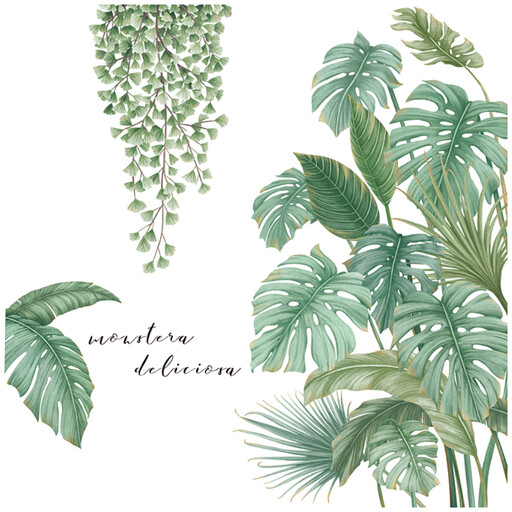
Why it's a great choice: Perfect for those who want to incorporate the "urban jungle" trend into their living room or office without the maintenance of real plants. The tropical style brings a touch of freshness and escapism to any room.
The product is clearly identified as being made of removable PVC. This material is known for its flexibility during application and its ability to be removed without leaving glue residue, thus preserving the integrity of your wall.
The leaves are separate elements, offering complete freedom to create a unique composition. You can scatter them across a large wall or group them to accent a headboard or reading nook.
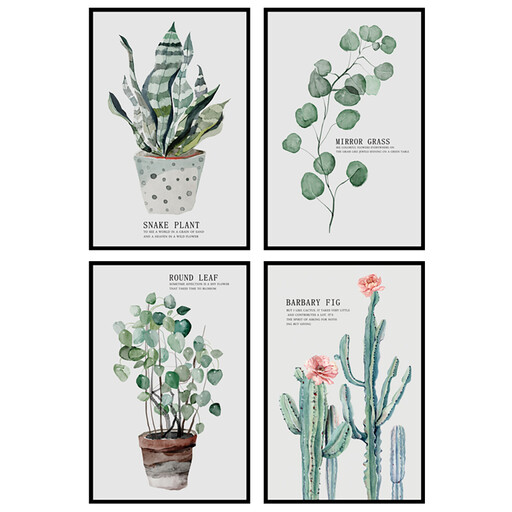
Why it's a great choice: This option is an excellent alternative for renters who can't drill into walls. It mimics the appearance of a framed picture, bringing a sophisticated, artistic touch to a living room or bedroom wall without any long-term commitment.
The "peel and stick" description is specifically aimed at users looking for a simple, reversible solution. The risk of leaving residue or damaging the wall is minimised by this design.
The 3D visual effect and polygonal frame design offer a more premium look than a simple wall sticker. It's a standalone wall decor element that creates an instant focal point.
We've compiled a complete, up-to-date list of products that meet our demanding selection criteria and safety standards.
The secret is preparation and patience.
You need to distinguish between two terms. A repositionable decal can be peeled off and re-stuck several times during installation to correct its placement. A removable decal can be cleanly taken off the wall after months or years, but it is rarely reusable, as the adhesive loses its effectiveness and the decal may stretch. Read the description carefully to know what to expect.
The ideal surface is smooth, clean, dry, and non-porous. Walls painted with a matte or eggshell finish are perfect. Avoid rough surfaces, plaster, fabric, textured vinyl wallpaper, or walls painted with "washable" or stain-resistant paints, as their additives can interfere with adhesion.