
Livraison le jour même ou le lendemain

Qualité garantie

Débloquez vos offres de bienvenue: Livraison GRATUITE | Jusqu'à -80 % | 30 jours d'essai gratuits à JoyPlus
Téléchargez l'application
Looking to refresh your home? A fresh coat of paint is often the most effective solution. But that initial enthusiasm can quickly fade when faced with the vast DIY aisle. The wall and ceiling paint kit might seem like the easy option, but be warned: not all are created equal. Some kits, with their tempting price tags, actually hide flaws that can turn your project into a real chore. As a product expert at Joybuy, my mission is to help you avoid these pitfalls and invest in reliable equipment.
Before you purchase a paint bundle, it's crucial to know the most common frustrations faced by DIYers, even occasional ones.
To avoid these frustrations, focus on a few technical points that make all the difference. A good complete paint kit must tick several boxes when it comes to quality.
The choice of fibres is crucial for the quality of the application and the final finish.
A genuinely good paint roller kit should allow you to see your project through from start to finish without another trip to the store. Check that it contains at a minimum:
Accessories like disposable tray liners, a paint stirrer, or a dust sheet are welcome bonuses that will make your life much easier.
Comfort is an essential criterion, especially for a project that will last several hours.
Every project is unique, and every DIYer has their preferences. Here is our selection, designed for different profiles and needs.
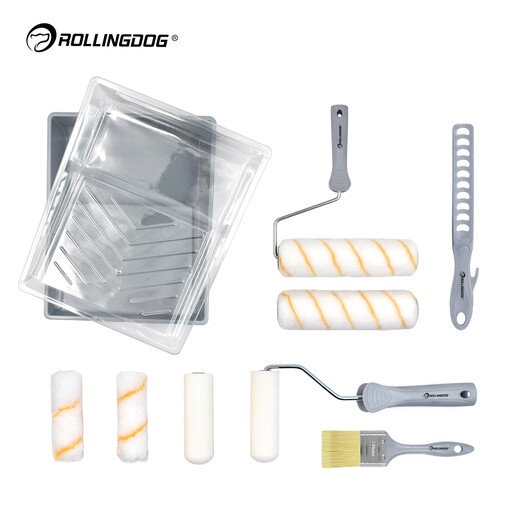
Why it's a great choice: Perfect for those starting a complete room renovation who want all the tools on hand without any guesswork.
This 14-piece kit is truly complete. It includes 23 cm and 10 cm rollers, polyester and foam sleeves, a brush, a tray, and even disposable liners. Say goodbye to the deceptively "complete" kit trap!
Its versatility: the polyester sleeves (12 mm pile) are perfect for walls, while the foam ones ensure an ultra-smooth finish on doors or furniture. The tray liners, meanwhile, make cleanup much simpler.
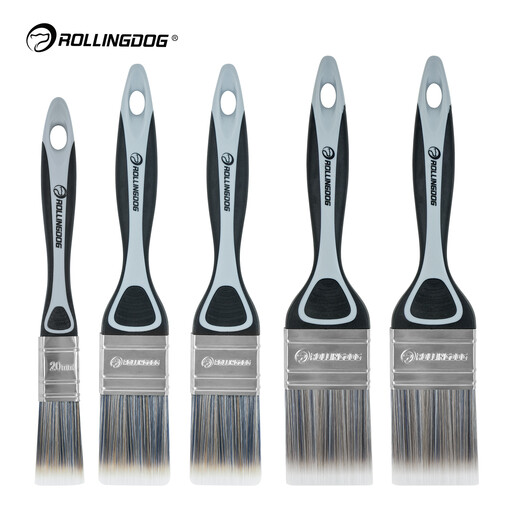
Why it's a great choice: Essential for those who won't compromise on precision for corners, skirting boards, or furniture restoration. Here, the focus is all on brush quality.
It directly tackles the plague of bad brushes. Its 100% SRT polyester bristles ensure a smooth application and don't fall out. The stainless steel ferrule prevents rust, ensuring excellent longevity.
The ergonomic handle with a rubber grip reduces fatigue during precision work. The set includes multiple sizes (20, 40, and 50 mm) for maximum versatility, from small touch-ups to larger surfaces.
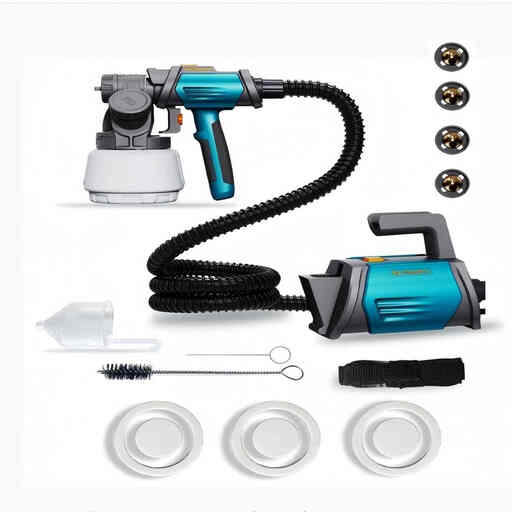
Why it's a great choice: For those tackling large surfaces (walls, ceilings, fences...) and aiming for a fast, perfectly uniform result, a paint sprayer is the modern alternative to the roller.
It sprays paint in a fine, controlled mist, eliminating any risk of roller fibres on the wall. The HVLP (High Volume, Low Pressure) technology reduces overspray and ensures a consistent finish without any overlap marks.
Its 800W power and large 1300 ml container allow you to cover large areas without interruption. Its 4 brass nozzles and 3 spray patterns provide great versatility, regardless of the paint or surface type.
Discover our full selection of products that meet our quality criteria and current standards.
It all depends on the surface! A short-pile roller (less than 12 mm) is for smooth surfaces (plasterboard walls, doors) to achieve a smooth, flat finish. Conversely, a long-pile roller (more than 12 mm) is essential for textured surfaces (stippled plaster, fibreglass wallpaper), as its longer fibres get into the crevices for perfect coverage.
For water-based paints (acrylics, vinyls), immediate cleaning with warm, soapy water is the rule. Rinse thoroughly until the water runs completely clear. For rollers, use a painter's tool to remove the excess paint before rinsing. Squeeze them out well and let them dry hanging up or lying flat. Good maintenance is the secret to keeping your painting equipment in perfect condition.
Yes, provided you prepare your work area properly. Protecting areas you don't want to paint (floors, furniture, windows) with dust sheets and masking tape is even more crucial than with a roller. It's also highly recommended to do a few test sprays on a large piece of cardboard to find the right flow and pattern settings before you start on the wall. Once you've mastered the tool, the time savings are spectacular and the finish is professional-grade.