
Livraison le jour même ou le lendemain

Qualité garantie

Débloquez vos offres de bienvenue: Livraison GRATUITE | Jusqu'à -80 % | 30 jours d'essai gratuits à JoyPlus
Téléchargez l'application
Finding the right pair of walking shoes can quickly become a headache. Between the promises of "do-it-all" models, baffling technology names, and appealing designs, it's easy to make the wrong choice and regret it on your very first outing. A bad purchase isn't just money down the drain; it's also a recipe for discomfort that can turn your walks into an ordeal.
Before you start, let's break down the two most common pitfalls to avoid at all costs:
This guide is here to help you see more clearly by focusing on the technical criteria that truly matter for ensuring comfort, durability, and performance.
To make an informed choice, you need to look beyond aesthetics and focus on three fundamental technical elements.
The outsole ensures your safety and the shoe's longevity. Its features must be adapted to your primary terrain.
The cushioning, located in the midsole, absorbs shock with every step. The support, meanwhile, stabilises your foot.
A good walking shoe must manage moisture, whether it comes from the outside (rain, puddles) or the inside (sweat).
Rather than drowning you in an endless list, we have selected specific models for distinct user profiles, based on the objective criteria discussed above.
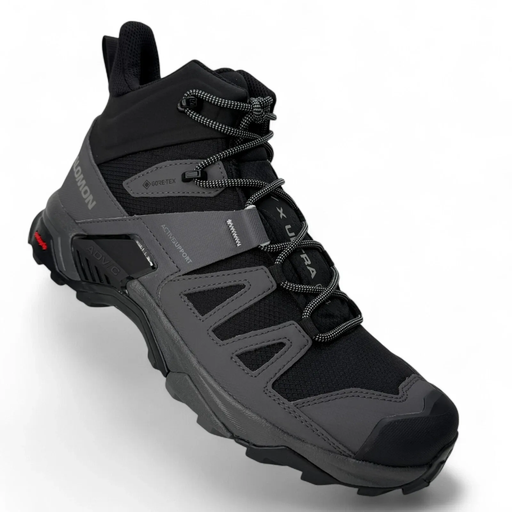
Why it's a match: Designed for difficult terrain, this high-cut men's hiking shoe offers robust ankle support and protection, essential for carrying a backpack on alpine or rugged trails.
This model doesn't pretend to be a city shoe. Its GORE-TEX membrane ensures lasting waterproofness, and its chassis (Advanced Chassis) provides concrete lateral stability, a far cry from vague promises of "support".
Superior stability and waterproof protection for long hikes, thanks to the combination of the chassis and the GORE-TEX membrane.
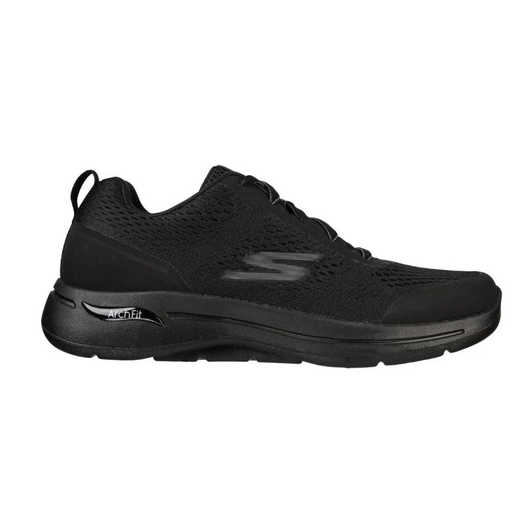
Why it's a match: Ideal for those who cover miles on pavement or in parks. Its main focus is long-lasting comfort, making it an excellent choice for daily commutes or long days spent on your feet.
This model focuses on a single mission: to be a comfortable walking shoe. The Arch Fit system, which the brand states is podiatrist-certified, provides a targeted solution for the need for arch support.
Arch support and responsive cushioning (ULTRA GO) for intensive daily use.
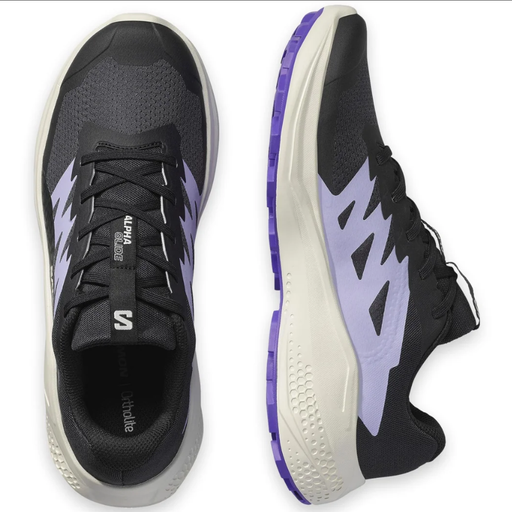
Why it's a match: Perfect for walkers who alternate between forest paths, dirt tracks, and slightly more technical sections. Its balance of cushioning and grip gives it great versatility for varied outings.
It is clearly positioned as a trail shoe, not a generic "all-terrain" shoe. Its anti-debris mesh is a functional feature that addresses a real problem on the trails.
Versatility on varied trails and immediate step-in comfort, with reliable grip on different types of surfaces.
We have compiled a complete, up-to-date selection of products that meet our demanding selection criteria.
Rather than thinking in years, it's more accurate to think in terms of distance. A quality walking or hiking shoe generally retains its cushioning and support properties for about 800 to 1,000 km (500 to 620 miles). Beyond that, the midsole compresses, which reduces shock absorption and can increase the risk of joint pain. The wear on the outsole is another good indicator: if the lugs are worn smooth, grip is no longer guaranteed, and the risk of slipping increases.
Not necessarily. For summer walks in dry weather, a non-waterproof but highly breathable shoe will be more comfortable by preventing overheating. However, for mountain hiking or year-round use in temperate climates, a membrane like GORE-TEX becomes a major asset. It protects from rain and puddles while wicking away sweat, preventing the unpleasant feeling of damp feet.
It is often recommended to choose a half size, or even a full size, larger than your usual size. During long walks, the foot tends to swell. To check the size, make sure you can slide a finger between your heel and the back of the shoe when your foot is pushed all the way forward. Your foot should be securely held at the instep to prevent it from sliding forward on descents and to stop your toes from hitting the end of the shoe.