
Livraison le jour même ou le lendemain

Qualité garantie

Débloquez vos offres de bienvenue: Livraison GRATUITE | Jusqu'à -80 % | 30 jours d'essai gratuits à JoyPlus
Téléchargez l'application
Who hasn't felt the urge to throw their alarm clock against the wall after a shrill ringtone rips them from their sleep? Especially in the middle of winter, when the night seems endless. The result: fatigue, a bad mood, and a day that already feels like an ordeal. The wake-up light promises to be a game-changer. Its principle? To replace the jarring noise with a light that gradually intensifies, mimicking a natural sunrise to gently synchronise your body clock.
The problem is, the market is flooded with models making tempting promises, and it's easy to get lost or end up with a disappointing product. To avoid any unpleasant surprises, here are the common traps to watch out for before you buy.
To avoid falling into these traps, here are the technical criteria that truly make a difference. They will allow you to objectively judge the quality of a sunrise simulator.
The heart of the device lies in its ability to simulate a believable dawn. Two factors are paramount:
Light is crucial, but sound plays a significant supporting role.
A device you handle every day, often in the dark, must be user-friendly.
Rather than an endless list, we've selected models that meet specific needs while adhering to essential quality criteria.
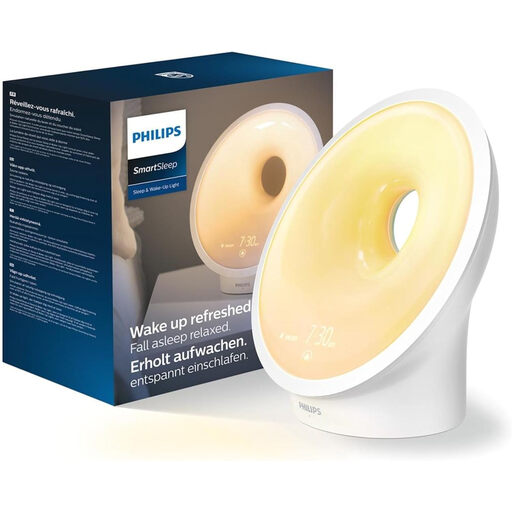
Why it stands out: This device is designed for those who want no compromises. It combines a sunrise and sunset simulation, light-guided relaxation exercises, and full connectivity for a completely personalised sleep and wake-up routine. It's the benchmark for the Philips wake-up light.
It offers powerful brightness (up to 315 lux) and a natural colour transition. The sounds are high-quality, and the relaxation features are developed with sleep specialists (according to Philips), avoiding the pitfall of superfluous gadgets.
RelaxBreathe function for sleep aid; sunset simulation; smart touchscreen that adapts to ambient light.
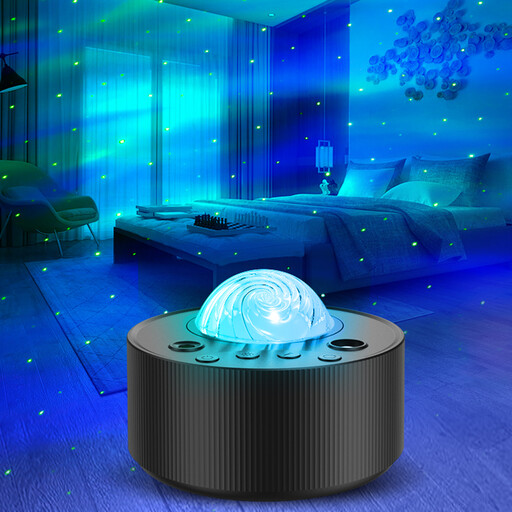
Why it stands out: For those primarily looking to create a relaxing atmosphere before falling asleep, this projector is an interesting option. It focuses on the visual aspect of relaxation, transforming the ceiling into a starry sky or a northern lights display for an immersive sleep aid.
Its purpose is clear: to create a visual ambiance. It thus avoids the trap of "jack-of-all-trades" devices with poorly executed functions by focusing on what it does best.
Northern lights and starry sky projection effect; compact and decorative design; ideal for relaxation or a child's bedroom.
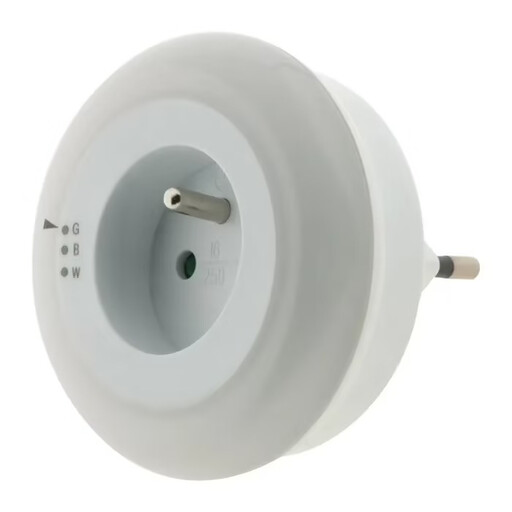
Why it stands out: For those looking for a simple and affordable solution to light up a dark room at night or in the early morning. It's not a sunrise simulator, but its day/night detection function makes it a very practical and automatic smart night light.
It avoids the trap of false promises. Its positioning is honest: it's a night light, not a sunrise simulator. It performs a single mission, but it performs it well: turning on when it's dark.
Dusk-to-dawn sensor for automatic operation; very low power consumption (0.5W); pass-through socket design that leaves the wall outlet available.
We have curated a complete list of products for you that meet strict selection criteria and European safety regulations.
What is the difference between a wake-up light and a light therapy lamp? A sunrise simulator primarily aims to regulate the sleep-wake cycle with a progressive light in the morning and sometimes a regressive one in the evening. A light therapy lamp, on the other hand, is a medical device intended to treat seasonal affective disorder (SAD) by exposing the user to a very high-intensity light (usually 10,000 lux) for a specific duration. Some sunrise simulators offer sufficient brightness for a supplementary effect, but they do not replace a prescribed light therapy treatment.
How long should the sunrise simulation last to be effective? Most models offer an adjustable simulation duration, ranging from 15 to 60 minutes. A duration of 20 to 40 minutes is generally considered ideal to allow the body to gradually emerge from deep sleep and feel more alert by the time the audible alarm sounds.
Is a wake-up light really more effective than a traditional alarm? For many people, the answer is yes. Gradual exposure to light before waking helps suppress melatonin (the sleep hormone) and increase cortisol (the wakefulness hormone). This natural process can lead to a less jarring awakening and more energy and a better mood throughout the day, especially for those who struggle to get up in the dark. However, the experience is subjective and depends on each individual's sensitivity to light.