For two people looking to share dessert
If you want to serve waffles after your meal without making batter, check the number of waffles and the pack weight. A large pack could leave you with leftovers after dinner for two.


For dinner for two, choose thin waffles if you’d like a crisp dessert, Liège-style waffles if you’re craving pearl sugar, or plain soft waffles if you’d rather choose the topping yourself. Homemade waffles are a good option when making dessert together matters more than serving it quickly. In every case, check the quantity, ingredients and allergens for the product you choose.
If you want to serve waffles after your meal without making batter, check the number of waffles and the pack weight. A large pack could leave you with leftovers after dinner for two.
A crisp, thin waffle, a Liège-style waffle with pearl sugar and a plain, soft waffle each make for a different dessert. The product name and ingredients will help you choose before deciding on a topping.
If one of you needs to avoid an ingredient, check the packaging of the product you buy rather than relying on its category. Depending on the recipe, products listed by Carrefour and E.Leclerc contain wheat, eggs, milk, soya or lupin, and may also carry warnings about traces.
First, decide whether you’d like to serve shop-bought waffles or make cooking part of your evening. For packaged products, compare the recipes by texture, quantity and ingredients.
Choose these if : you want to keep preparation to opening the pack or heating the waffles as directed on the packaging.
Keep in mind : check whether the product you choose can be served as it is or needs heating, and whether the quantity is right for two.
Choose these if : making the batter and cooking the waffles together is part of your evening.
Keep in mind : you’ll need a waffle maker, ingredients, time to cook and time to clean up.
| Factor | What to check | Who is this for? |
|---|---|---|
| Texture | The waffle’s product name and key ingredients, such as butter or pearl sugar. | If what I’m looking for is a crisp bite, a soft texture or pearl sugar in my dessert, the type of waffle matters more than the pack size. Around 40% of consumers prioritise texture. |
| Serving two | The number of waffles, net weight and whether they’re individually wrapped. | To serve dessert without ending up with too many leftovers, I want to know how much is actually in the pack. Around 30% of consumers say ease of serving is their main priority. |
| Ingredients | The ingredients, allergens and nutritional information per 100 g for the exact product. | If one of us needs to avoid an ingredient, the specific recipe matters more than how the waffle looks. Around 30% of consumers put ingredients and allergens first when choosing. |
Two waffles that look similar can have different recipes and allergens. Carrefour’s product listings include waffles containing wheat and eggs, as well as other ingredients to check depending on the product.
Read the ingredients list and allergen information on the packaging you buy, especially if someone you’re serving has an allergy.
The number of waffles alone won’t tell you how much you’ll be serving: pack sizes and weights vary from one product to another.
Compare the number of waffles with the net weight, then decide whether you’d like to keep some portions for another occasion.
The Nutri-Score doesn’t replace the ingredients list and can’t identify a product’s allergens on its own.
When comparing two similar waffles, also check the sugars, fat and other nutritional values per 100 g, then consider the portion you plan to serve.
Cooking waffles in a waffle maker adds a preparation step to your evening, so it won’t meet the same need as a pack of waffles you can simply open or heat.
Choose this option if you have the equipment and want to set aside time for cooking and cleaning up.
These examples help you compare specific recipes and pack sizes. A brand name is no substitute for reading the label on the product you choose.
Carrefour offers sugar-dusted waffles in a pack of 6, weighing 260 g.
This Carrefour range includes Liège-style waffles with sugar, in a pack of 10 weighing 500 g.
E.Leclerc offers 350 g packs of sweet P'TIT DELI Liège-style waffles. The product listing states that they contain 20.9% pearl sugar.
This E.Leclerc range includes 300 g packs of thin Northern French waffles made with pure butter.
Carrefour offers plain, soft LOTUS waffles, as well as another variety made with eggs and icing sugar.
Carrefour offers 150 g boxes of thin La Dunkerquoise waffles made with pure butter; the product listing states that they contain 22% butter.
This selection includes waffles to heat, Brussels waffles to keep in the freezer and wafer biscuits ready to serve. Wafer biscuits offer a crisp alternative to thin, Liège-style and soft waffles.
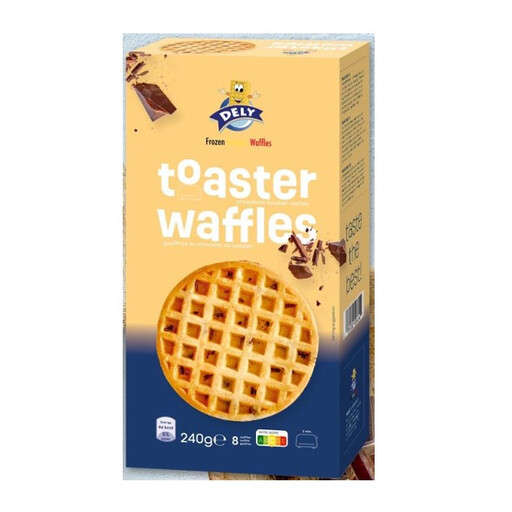 Image unavailable
This pack contains 8 waffles weighing 240 g, making it a good choice for a chocolate dessert to share. You’ll need to heat them, so check the packaging for instructions and allergen information before serving.
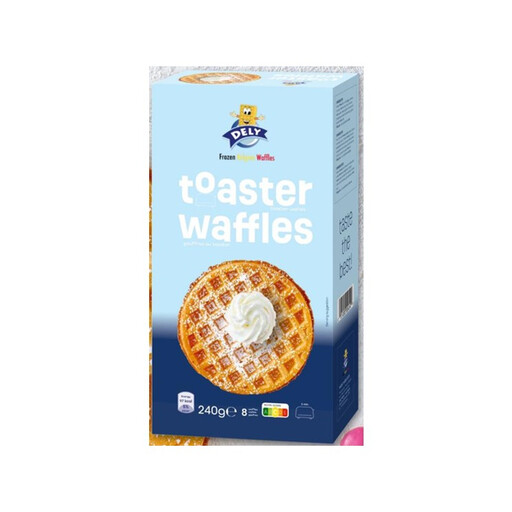 Image unavailable
The plain variety lets you choose your own dessert topping. The pack contains 8 waffles weighing 240 g; check the packaging for heating instructions and allergen information for this product.
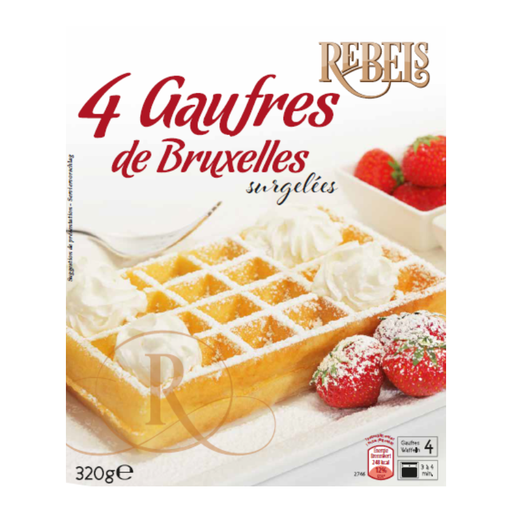 Image unavailable
This pack contains 4 waffles weighing 320 g, ideal if you’d like to add toppings to Brussels waffles after heating. Store at −18 °C, and check the packaging for heating instructions and allergen information.
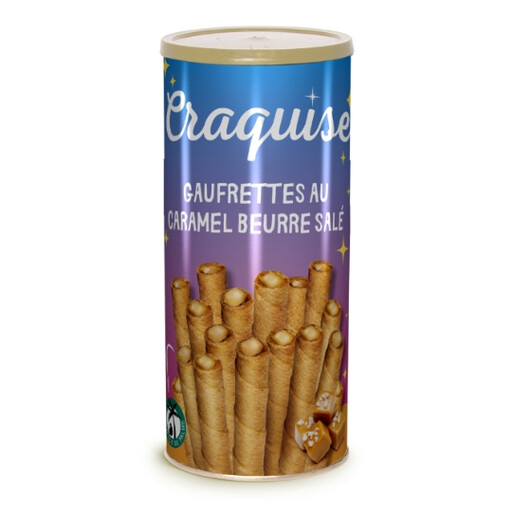 Image unavailable
These wafer biscuits are a good choice for a crisp bite that’s ready to serve, rather than a substitute for a whole waffle. The pack weighs 135 g, so check how many pieces it contains if you’re planning to share. The product listing gives conflicting information about palm oil; refer to the ingredients list on the packaging and check the allergens.
Compare the nutritional information on the same basis, then check the net weight and number of waffles to plan how much to serve two people. In France, the DGCCRF states that nutritional information must be given per 100 g or 100 ml, depending on the food.
Always check the packaging of the exact product you’re buying: ingredients and warnings about traces vary between recipes. For pre-packed foods in France, the DGCCRF states that allergens must be highlighted in the ingredients list.
To choose a recipe and quantity that suit your dinner, check the ingredients list, allergen information, net weight and nutritional information. The DGCCRF notes in particular that allergens must be highlighted and nutritional information given per 100 g or 100 ml.