
Livraison le jour même ou le lendemain

Qualité garantie

Débloquez vos offres de bienvenue: Livraison GRATUITE | Jusqu'à -80 % | 30 jours d'essai gratuits à JoyPlus
Téléchargez l'application
Choosing the right vlogging camera can quickly become overwhelming given the sheer number of options on the market. It's easy to get lost in a sea of technical specs, formats, and price points. Whether you're a new YouTube creator, a traveller looking to immortalise your adventures, or an athlete filming your achievements, finding the right gear is the essential first step to producing high-quality videos.
This guide is here to break down the key features and help you find the perfect fit for your needs, cutting through the marketing jargon. We'll cover the must-have criteria for choosing a camera and present our top picks for different types of users.
Before diving in headfirst, let's review the features that truly make a difference in a great vlogging camera.
The 4K camera has established itself as the new standard for many creators. Beyond a sharper, more detailed image, 4K offers significant flexibility in post-production. For example, it allows you to crop in significantly on your shots without any visible loss of quality when exporting in Full HD (1080p). For future-proof content and a professional look, 4K is now an almost essential asset.
For a vlogger, being able to see yourself while filming isn't a luxury—it's a necessity. A camera with a flip-out screen (or a fully articulating one) is therefore crucial for mastering your framing and focus in real time. Compactness is the other key factor, especially if you're always on the go. A lightweight, compact body slips into any bag and encourages you to pull it out more often to capture the moment.
A great image is good. But without clear audio, your video will fall flat. Always check the quality of the built-in microphone and, most importantly, the presence of an external microphone input. That's the key to professional-grade sound. The same goes for image stabilisation (optical or digital): it's essential for avoiding shaky, "seasick" footage and achieving smooth shots, especially if you're filming while walking.
We've selected three models that cater to distinct creator profiles, from the adventurer to the perfectionist.
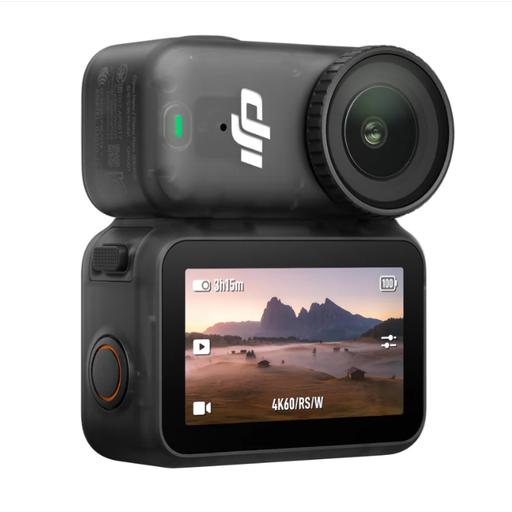
Why it stands out?: The DJI Osmo Nano blurs the lines between an action camera and a vlogging tool. Its ultra-compact form factor and magnetic mounting system give it incredible versatility. It clips onto clothing, a helmet, or any metal surface for immersive first-person view (POV) shots, without sacrificing image quality.
Key features?:
Who is it for?? The Swiss Army knife for on-the-go vloggers, athletes, and any creator looking for dynamic action shots and unique POVs.
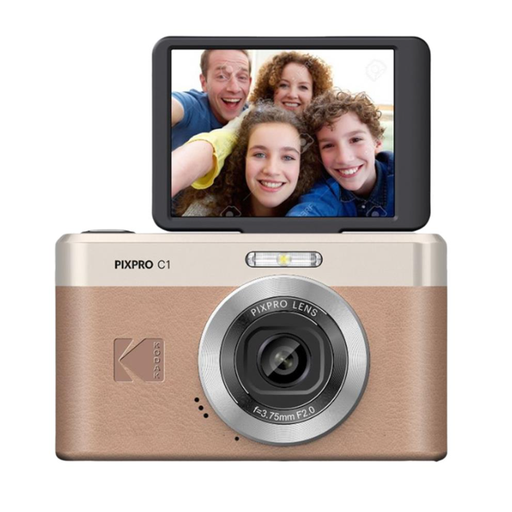
Why it stands out?: This Kodak model is an excellent entry point into the world of vlogging. It combines the simplicity of a compact camera with the essential feature of a flip-up screen, all in an ergonomic and easy-to-carry package.
Key features?:
Who is it for?? Perfect for aspiring vloggers, families, or anyone looking for a simple and effective camera to document daily life without getting lost in technical details.
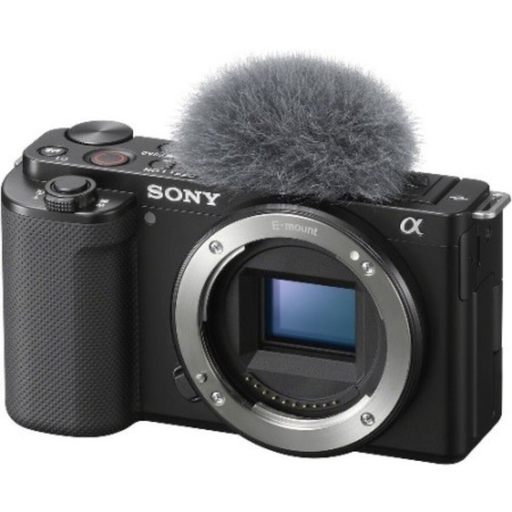
Why it stands out?: The Sony ZV-E10 is a camera tailor-made for the more demanding content creator. Its key advantage is its interchangeable lens system (E-mount), which offers nearly limitless creative freedom. It's a powerful tool for those who want to take their content to the next level.
Key features?:
Who is it for?? For creators and YouTubers who want to level up their production. A smart investment for anyone who demands full control over their image and sound.
If our selection doesn't check all your boxes, don't worry. The market is full of alternatives, from expert compacts to more professional mirrorless cameras. The hardest part will be choosing!
Explore All Our Digital Cameras
1. Do I really need a 4K camera for YouTube in 2026??
While Full HD (1080p) is still acceptable, 4K offers a real advantage in terms of image sharpness and editing flexibility. Looking ahead to 2026, it's a wise investment to future-proof your content and meet the expectations of an audience increasingly accustomed to high definition.
2. What's the difference between an action camera and a dedicated vlogging camera??
An action camera (like the DJI Osmo Nano) is built for adventure: it's compact, rugged, and waterproof, excelling at wide-angle shots in extreme conditions. A dedicated vlogging camera (like the Sony ZV-E10) focuses on image quality, creative versatility (thanks to interchangeable lenses), and superior audio. It's better suited for more controlled shoots, both indoors and outdoors.
3. Is good audio more important than video quality??
It's the age-old debate! But the answer is simple: audiences are more likely to forgive a mediocre image than terrible or inaudible sound. Clean audio is the key to keeping your audience engaged. That's why it's crucial to choose a camera with good built-in audio or, the holy grail, an external microphone input.