
Livraison le jour même ou le lendemain

Qualité garantie

Débloquez vos offres de bienvenue: Livraison GRATUITE | Jusqu'à -80 % | 30 jours d'essai gratuits à JoyPlus
Téléchargez l'application
Getting started in vlogging or looking to level up your video production can often feel like an obstacle course. The vlogging accessory market is flooded with products making tempting promises, but let's be clear: not all are created equal, far from it. Our mission? To help you cut through the noise, make smart choices that meet real needs, and outsmart the marketing hype.
Before you pull out your credit card, let's review the three classic traps that turn a purchase into a regret:
To avoid these setbacks, simply focus on a few key technical criteria. These are the true guarantors of the quality and durability of your streaming gear or vlogging equipment.
A shaky image is a guaranteed way to lose your audience. Whether you're using a selfie stick or a tripod, stability is non-negotiable.
Good lighting is what separates an amateur video from a polished production. And no, the mobile ring light isn't your only option.
Sound is often the neglected element in a beginner vlogger's kit. A grave mistake. A quality wireless microphone or a good directional mic is the investment that will radically transform the perception of your videos.
Rather than an endless list, here is a targeted selection for different profiles, based on the quality criteria we've just defined.
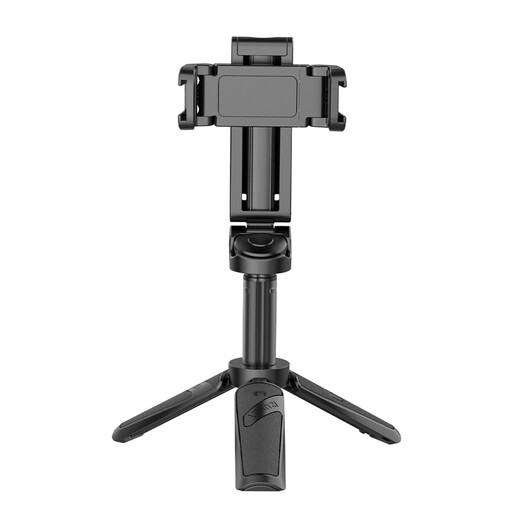
Why we recommend it: Ideal for starting out without the bulk. It serves as an ergonomic grip, a selfie stick, and a mini tabletop tripod all in one. The Bluetooth remote is the game-changing extra for filming solo.
It avoids the cheap "all-in-one" kit trap by focusing on one thing: support. And it does it well. Its materials (aluminium alloy, polyamide) inspire confidence for regular use.
Its 3-in-1 versatility and light weight (118g) make it the perfect travel companion for on-the-fly vlogs.
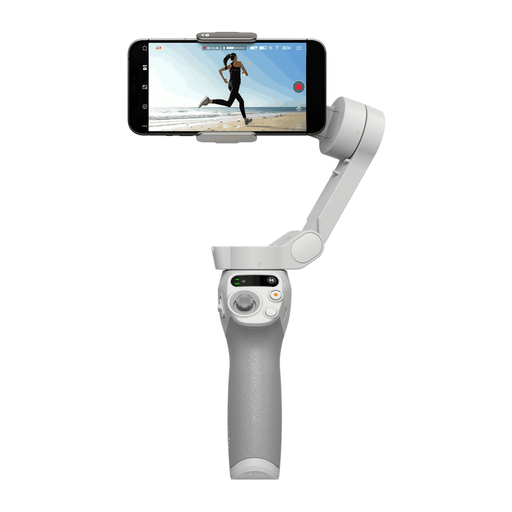
Why we recommend it: For those aiming for smooth, cinema-worthy shots with their smartphone. The 3-axis stabilisation smooths out the slightest tremor, even while walking, and the DJI Mimo app is packed with creative features like subject tracking (ActiveTrack 5.0).
It tackles the problem of instability at its root with proven technology. It also sidesteps the incompatibility trap with broad smartphone support and a magnetic clamp that's as fast as it is secure.
The 3-axis motorised stabilisation elevates your videos from amateur to pro. It's a quality leap that's impossible to achieve with a simple tripod.
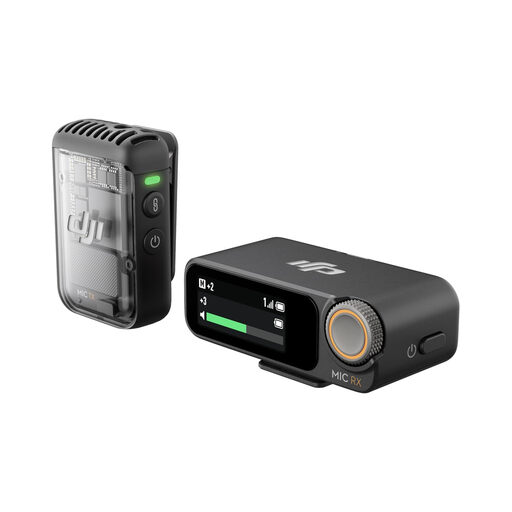
Why we recommend it: For those who won't compromise on audio quality (interviews, voice-overs, podcasts). This wireless system is compact, disarmingly simple, and delivers crystal-clear sound, even in a noisy environment.
It tackles the trap of neglected audio head-on. Its intelligent noise reduction and internal 32-bit float recording (which prevents any clipping) are safeguards against ruined audio.
The freedom of wireless, with a range of 250m (theoretical, according to DJI), and its universal compatibility (USB-C, Lightning, 3.5mm jack) make it a professional, go-anywhere audio solution.
We have selected a full range of products for you that meet our specifications and current standards.
There's no one-size-fits-all answer, but a modular approach is by far the smartest. Rather than falling for a complete entry-level vlogging kit for €50, it's better to invest progressively:
It all depends on your style. For fixed, talking-head shots, a good smartphone tripod does the job perfectly. However, if you're the type to vlog on the move, do tracking shots, or create dolly shots, a 3-axis phone stabiliser like the DJI Osmo Mobile SE becomes a powerful ally. It absorbs the vibrations from walking and delivers that professional look that a phone's electronic stabilisation alone cannot achieve.
The simplest and most effective trick? Move the microphone closer to your mouth. A wired lavalier microphone, which plugs into your smartphone, is a very affordable solution (often under €30) that will transform the clarity of your voice by isolating it from ambient noise. It's a much more decisive first step than relying on the built-in microphone of your phone or camera.