
Livraison le jour même ou le lendemain

Qualité garantie

Débloquez vos offres de bienvenue: Livraison GRATUITE | Jusqu'à -80 % | 30 jours d'essai gratuits à JoyPlus
Téléchargez l'application
Vitamin and mineral supplements can address a wide range of needs: a vegan diet, targeted iron or vitamin B12 intake, support for muscle and nerve function, or simply a helping hand during a period of fatigue. Yet with labels that are particularly dense and dosages that can be high, comparing products isn't always straightforward.
Three common pitfalls keep cropping up among shoppers:
For minerals, always check the amount of elemental mineral stated per serving. This is the value that lets you properly compare magnesium citrate, magnesium bisglycinate or a blend of several forms.
The form you choose can also affect digestive tolerance and ease of use. Among the references available, you'll find:
To compare products, it's best to base your decision on the amount of active nutrient rather than the total weight of the capsule or blend.
A formula taken as one tablet a day fits easily into a routine. However, a long duration of use doesn't mean a product will suit everyone. Look carefully at the number of daily servings, the dosage per serving and any warnings.
Vitamin B12 products dosed at 1000 µg of methylcobalamin can suit those looking for a vegan formula with a clearly defined dosage. Chewable tablets and gummies make taking them easier, but gummies often contain sugar or polyols. Consumed in large amounts, polyols can cause digestive discomfort.
For vitamin C 1000 mg, also compare the format: effervescent tablet, standard tablet or a formula enriched with bioflavonoids. If you have a sensitive stomach, check for sorbitol or other sweeteners.
Claims like vegan, gluten-free, lactose-free, GMO-free or free from certain excipients can be useful if they match your dietary priorities. However, they don't replace checking the full ingredients list.
Manufacturing that complies with standards such as GMP or HACCP tells you about the production framework. It doesn't replace checking the dosage, the recommended intake and the precautions for use. Remember, a food supplement is not a substitute for a varied, balanced diet.
Extra caution is needed for:
If you are pregnant, breastfeeding, on medication, have a chronic condition or are unsure about a deficiency, seek advice from a healthcare professional before taking any supplement.
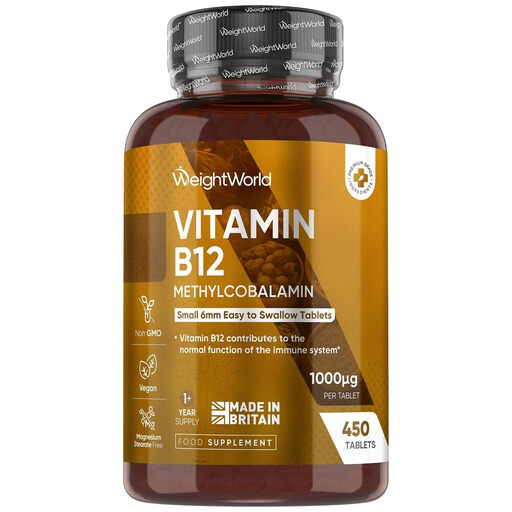
Why this choice suits this profile: The bottle contains 450 microtablets dosed at 1000 µg of methylcobalamin, with a recommended intake of one tablet per day. Its compact format is ideal for vegans or vegetarians looking for a simple routine and a long-lasting supply.
The amount of vitamin B12 is clearly stated for each tablet. This means you can estimate how long the bottle will last without relying solely on the total number of tablets.
Methylcobalamin, 6 mm tablet, vegan formula and approximately 15 months of use based on the recommended dosage.
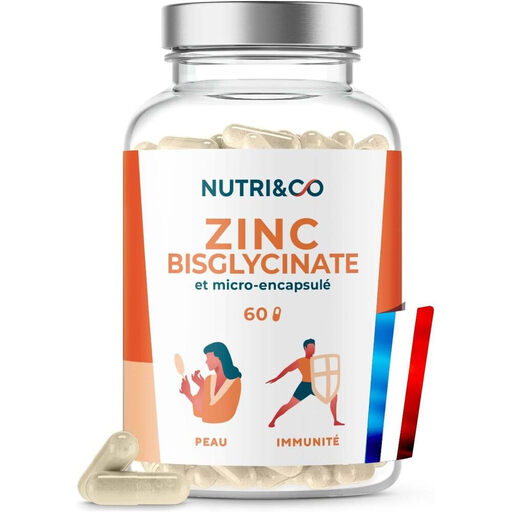
Why this choice suits this profile: This formula combines zinc bisglycinate, liposomal zinc and selenium yeast, providing 15 mg of elemental zinc per capsule. It's aimed at consumers who care about traceability, excipients and French manufacturing.
The product page distinguishes elemental zinc from the total weight of ingredients and recommends one capsule per day. Comparing it with other formulas is therefore much simpler.
15 mg of elemental zinc per capsule, vegan formula, gluten-free and a QR code for traceability as stated by the brand.
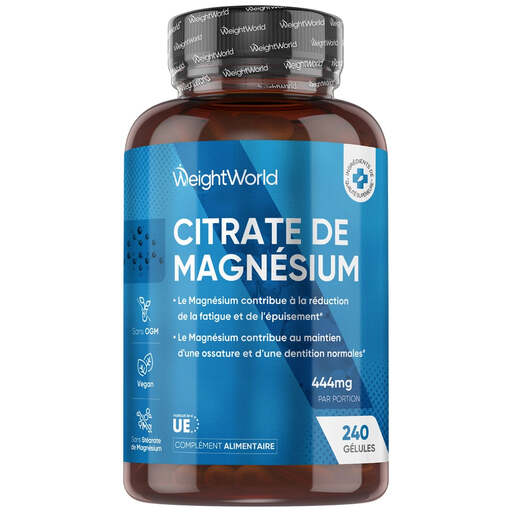
Why this choice suits this profile: Each capsule provides 222 mg of elemental magnesium according to the product page, and the bottle contains 240 capsules. This format may suit those who prefer a single daily dose and long-term use.
The product page specifies the amount of elemental magnesium, not just the weight of the citrate. It also states that it is free from gluten, lactose and GMOs.
222 mg of elemental magnesium per capsule, 240 capsules, vegan formula and manufacturing stated to comply with GMP and HACCP standards.
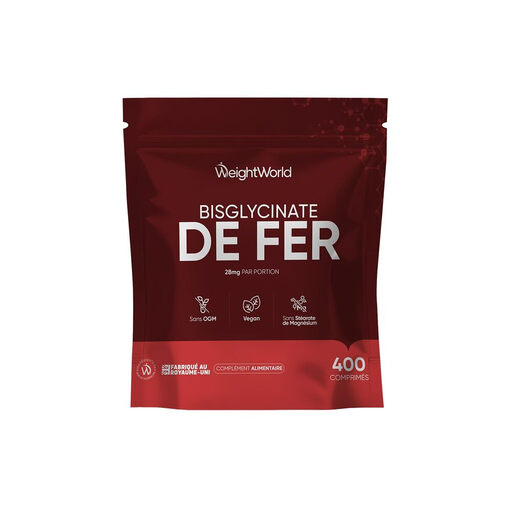
Why this choice suits this profile: This formula provides 28 mg of iron bisglycinate, plus 60 mg of vitamin C, 400 µg of folic acid and 8 µg of vitamin B12 per tablet. It's suitable for a targeted approach, once you've confirmed the need.
The dosage of iron and the associated nutrients are listed separately. The product page also reminds you of the precautions to take in case of iron overload and the importance of seeking medical advice in certain situations.
400 tablets, vegan formula and a combination of iron bisglycinate, vitamin C, folic acid and vitamin B12.
We've put together a comprehensive, real-time updated list of products that meet these strict selection criteria and European safety regulations.
For taking without water, vitamin tablets and capsules aren't the only option. WeightWorld vitamin B12 gummies are vegan and raspberry-flavoured, but they contain glucose syrup and sugar. Chewable tablets, on the other hand, may suit those who struggle to swallow capsules.
Nutri&Co effervescent vitamin C provides 1000 mg per tablet and is sold in a pack of three tubes. This format is handy for the office or on the go, but the possible presence of polyols is worth checking if you have a sensitive stomach.
For joints, MSM with vitamin C falls into a different category of supplements. The WeightWorld formula provides 2400 mg of MSM and 24 mg of vitamin C per serving of two tablets. MSM is neither a vitamin nor an essential mineral, so it should be compared separately from formulas designed for energy, immune support or muscle function.
The duration depends on the nutrient in question, the dosage and your personal situation. A bottle of 365 tablets doesn't mean continuous use is suitable for everyone. Stick to the stated dose, avoid overlapping combinations and seek medical advice for iron, vitamin A or high-dose formulas.
These are two forms of vitamin B12 used in supplements. Methylcobalamin is offered in several vegan references, often at a dosage of 1000 µg. To choose, focus on the form stated, the amount per serving, the ingredients list and the recommended dosage.
Start by comparing the amount of elemental magnesium per dose, then the frequency of use and the other ingredients. Citrate and bisglycinate are two different forms; a complex may also combine citrate, bisglycinate and oxide. If you are on medication or have a kidney condition, seek advice from a healthcare professional.