
Livraison le jour même ou le lendemain

Qualité garantie

Débloquez vos offres de bienvenue: Livraison GRATUITE | Jusqu'à -80 % | 30 jours d'essai gratuits à JoyPlus
Téléchargez l'application
Choosing vitamin and mineral supplements might seem straightforward — until you start comparing dosages, chemical forms and how long to take them. Amid promises of an energy boost, immune support or beauty benefits, some essential details can easily slip under the radar.
For adults in the UK, three common pitfalls keep cropping up:
So the composition, usage precautions and traceability should carry more weight in your decision than the slogans printed on the packaging.
Start by looking at the amount provided per daily dose, not just per tablet or capsule. The label should list the nutrients present and, where applicable, their percentage of the NRV — Nutrient Reference Values.
A multivitamin formula may bring together vitamins A, C, D, E and K, the B-vitamin group and several essential minerals. This approach can suit anyone looking for general supplementation, but it also risks overlapping with other products you’re already taking.
For a more targeted approach, be sure to check:
The form chosen is a real point of comparison. Zinc bisglycinate is often sought by shoppers who want a targeted, easy-to-take formula. The Nutri&Co product shown below delivers 15 mg of elemental zinc per capsule, using a combination of zinc bisglycinate and liposomal zinc.
For magnesium, simply seeing ‘marine magnesium’ on the label isn’t enough to compare two products. You need to look at the compound used and the amount of elemental magnesium. The WeightWorld Marine Magnesium + B6 product states magnesium from magnesium oxide sourced from sea salt, providing 360 mg per two capsules.
A formula combining vitamin C and zinc can be handy if you want to keep the number of products to a minimum. The WeightWorld reference provides 1,000 mg of vitamin C and 10 mg of zinc per tablet. However, this high dose of vitamin C should be weighed against your dietary habits and any other supplements you may be taking.
A vegan supplement should clearly state the composition of its capsule or tablet, particularly the source of vitamin D3 and the absence of animal-derived ingredients. Those with sensitivities should also look for gluten-free, lactose-free claims and the list of declared allergens.
For supplements intended for long-term use, compare storage conditions, the number of daily doses and how easy it is to stick to the regimen over time. A pot of 365 tablets can be more convenient than a smaller pack — provided the formula actually matches your needs.
Supplements are not a substitute for a varied, balanced diet. Iron, vitamin D, vitamin B12 and high doses of zinc require extra caution during pregnancy, breastfeeding, if you’re on medication or have a known health condition.
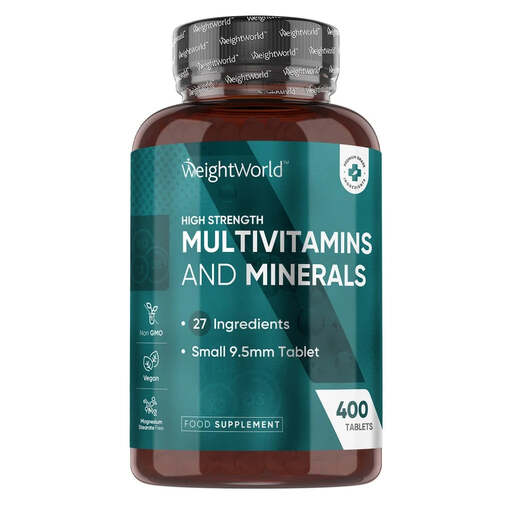
Why this choice suits this profile: A general formula with 27 vitamins and minerals, a stated one-tablet-a-day dose and a large pack that cuts down on reordering.
The listing clearly states the dosage per tablet, declared allergens and vegan and gluten-free criteria.
400 tablets, small 9.5 mm tablets, peppermint flavour, formula stated as gluten-free and lactose-free.
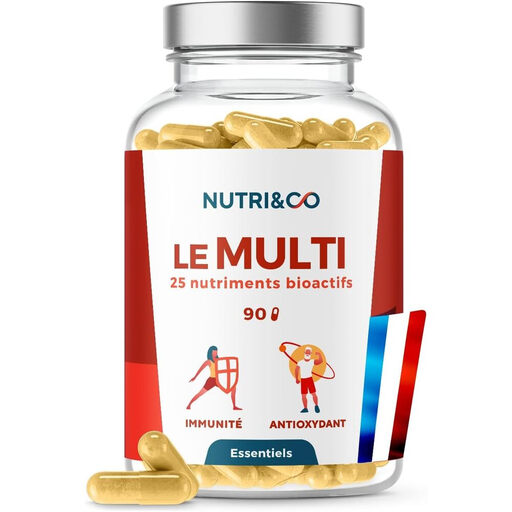
Why this choice suits this profile: This formula is aimed at adults who value a detailed composition, combining several vitamins, minerals and plant-based cofactors.
The listing details the 25 nutrients and specifies the absence of iron and copper, making it easy to compare with a more complete formula.
Vegan and gluten-free formula, plant-based vitamin D3, vitamin B12 and adjustable dosage as indicated by the manufacturer.
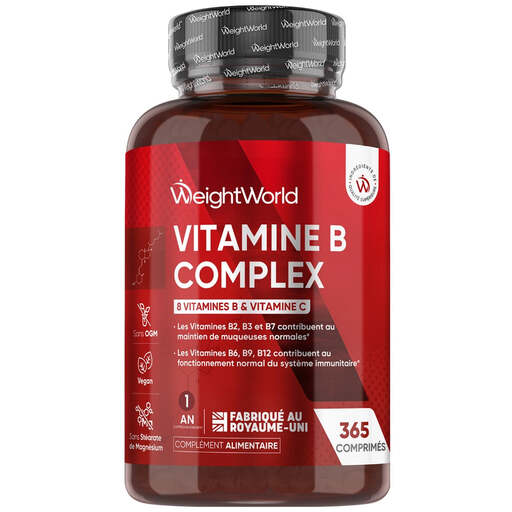
Why this choice suits this profile: A daily dose focused on all eight B vitamins, particularly for those following a plant-based diet or looking for a dedicated formula.
The list separately details vitamins B1, B2, B3, B5, B6, B7, B9 and B12, rather than just mentioning a ‘complex’ without further information.
365 tablets, vegan formula, 80 mg vitamin C and vitamin B12 in the form of methylcobalamin according to the product listing.
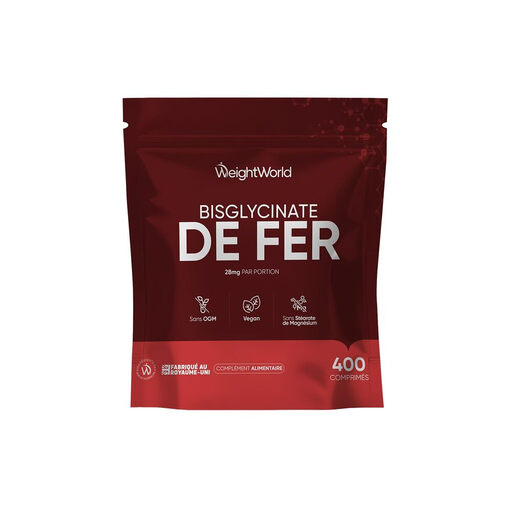
Why this choice suits this profile: A targeted product for adults who have received personalised advice regarding their iron intake.
The listing mentions 28 mg of iron bisglycinate along with precautions for iron overload and during pregnancy.
400 tablets, vitamin C, folic acid and vitamin B12; vegan and vegetarian format according to the information provided.
We’ve put together a comprehensive, real-time updated list of products that meet these strict selection criteria and European safety regulations.
It depends on the product’s composition, the dose and your diet. For long-term use, check the cumulative intake from other supplements. Formulas containing iron or with high dosages deserve extra caution.
Vitamin B12 is generally a nutrient to keep an eye on when following a fully plant-based diet. Your choice of product should take into account the dosage, frequency of use and advice from a healthcare professional. The WeightWorld product shown here contains 1,000 µg of B12 per chewable tablet — this dosage should be considered in light of your personal circumstances.
These are two different forms. What matters most is comparing the amount of elemental zinc, the daily dose, any additional ingredients and the usage precautions. Zinc bisglycinate may appeal to those specifically looking for this form, but no single formulation is automatically right for every situation.