
Livraison le jour même ou le lendemain

Qualité garantie

Débloquez vos offres de bienvenue: Livraison GRATUITE | Jusqu'à -80 % | 30 jours d'essai gratuits à JoyPlus
Téléchargez l'application
Looking for vitamin and mineral supplements to complement your daily diet? With multivitamins, vitamin D3 and K2 combinations, vitamin C and zinc formulas, and gummies all available, differences in dosage, format and composition can quickly make choosing the right product more complicated.
Marketing often focuses on an abundance of nutrients or promises of “all-round support”. However, a highly comprehensive formula is not necessarily the best match for your situation. The right choice mainly depends on your age, diet, preferences and the supplements you are already taking.
A formula that advertises 25 or 30 nutrients may seem particularly appealing. However, some nutrients may be present in only very small amounts, while others may be included at much higher levels. Always check the nutritional table and compare the quantities per daily dose with the NRVs, meaning the European reference nutrient values.
A multivitamin intended for adults will not necessarily have the same composition as a formula for women, men or people aged 50 and over. Needs and dietary habits also vary depending on whether you are vegan, vegetarian or consume few animal-based products.
The format alone is not enough to assess a supplement. Gummies are pleasant to take, but often contain sugar or sweeteners. Liquid formulas can be convenient for people who have difficulty swallowing tablets, but generally require greater care after opening.
Also check the declared allergens, any caffeine content, vegetable oils, flavourings and texturing agents. A vegan formula is not automatically suitable for children, pregnant women or people taking medication.
Combining a multivitamin, vitamin C and zinc, a B-vitamin complex and a “hair, skin and nails” supplement can result in overlapping ingredients. Before combining several products, add together the daily amounts shown on their labels. If you are taking medication, are pregnant or breastfeeding, or have a health condition, ask a doctor or pharmacist for advice.
The first information to examine is the amount provided per tablet, capsule or serving — not the total number of ingredients. For example, one product may provide 1,000 mg of vitamin C and 10 mg of zinc per tablet, while a general multivitamin offers more moderate doses of several vitamins and minerals.
For vitamin D3 and K2 formulas, check the units used: micrograms and IU are not interchangeable without conversion. A supplement providing 4,000 IU of vitamin D3 and 125 µg of K2 MK-7 per tablet is highly concentrated. It is best not to combine it with other sources without advice from a healthcare professional.
Vegans and vegetarians may look for vitamin D3 derived from lichen, a vegetable capsule or a formula free from animal-derived ingredients. For a B-vitamin complex, check that all eight B vitamins are included, particularly vitamins B9 and B12, as well as the form of B12 where this is specified.
If you are looking for a formula focused on bones and muscles, you can compare combinations of magnesium, calcium and zinc, sometimes supplemented with vitamins D3 and K2. However, calcium and magnesium levels can vary considerably from one product to another.
A bottle containing 365 tablets can reduce the need for frequent purchases, but remember to check the best-before date and storage conditions. Liquid products and gummies are particularly sensitive to heat and moisture.
Always follow the dose recommended by the manufacturer. Food supplements should not be used as a substitute for a varied, balanced diet or a healthy lifestyle. Claims relating to the normal functioning of the body should be understood within the framework of claims authorised at European level, rather than as a medical promise.
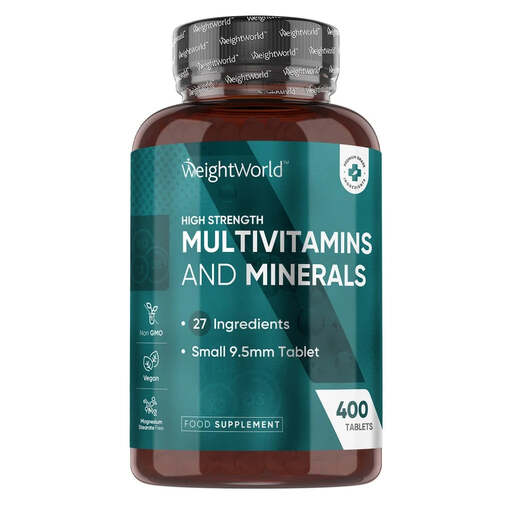
Why this choice suits this profile : One tablet a day and a pack of 400 tablets are ideal for anyone who wants to start with a general formula while spacing out repeat purchases.
The table details the amounts provided per tablet, so the product does not rely solely on offering a wide variety of ingredients. The formula is advertised as vegan and gluten-free.
27 advertised vitamins and minerals, 9.5 mm tablets and a recommended dose of one tablet per day.
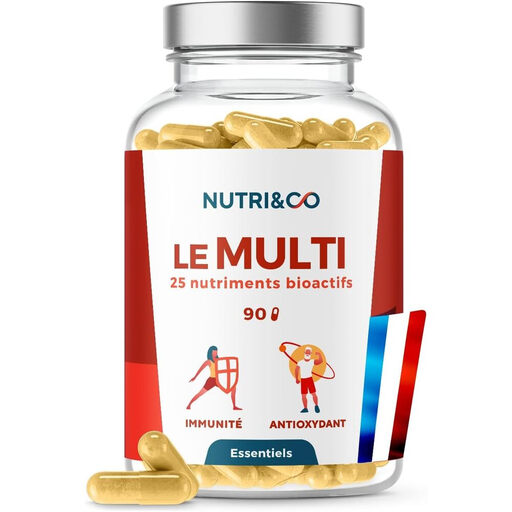
Why this choice suits this profile : This vegan formula is designed for adults who want to review a detailed composition containing vitamins C, B, D, E and K2, as well as zinc and magnesium.
The product information lists the nutrients present, specifies that it contains no iron or copper, and states a maximum dose of three capsules per day. This makes it easier to compare the formula with other products.
25 advertised nutrients, vegetable capsules, a gluten-free formula and traceability information available via a QR code.

Why this choice suits this profile : This combination is intended for adults specifically looking for magnesium, calcium and zinc with vitamins D3 and K2 as part of a well-defined daily routine.
The detailed composition lets you check each of the nine advertised elements separately, rather than relying solely on the term “bone formula”.
400 tablets, lichen-derived vitamin D3, vitamin K2 MK-7, and a formula advertised as vegan and gluten-free.
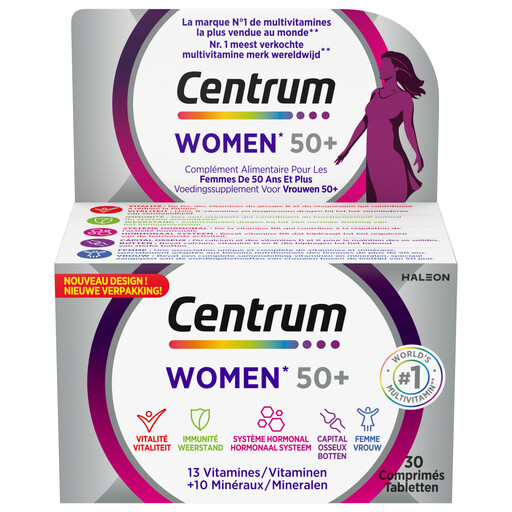
Why this choice suits this profile : This formula is designed for women aged 50 and over, with one tablet to be taken daily with a meal.
The target age group is clearly stated and the amounts of each vitamin and mineral are listed in detail. This helps you avoid choosing a general formula without checking whether it genuinely meets your needs.
13 advertised vitamins and 10 minerals, including vitamins D and K, calcium, vitamins C and E, zinc and selenium.
We have put together a comprehensive, real-time selection of products that meet these demanding criteria, in line with European safety regulations.
Formulas containing vitamin C, vitamin D, zinc or selenium are often sought after for their authorised claims relating to the normal function of the immune system. However, the right choice depends on your dietary intake and the product’s precise composition. Avoid combining several products without checking the total amounts.
Follow the best-before date shown on the packaging, as well as the storage instructions. Keep tablets and capsules dry, away from heat and out of the reach of children. Once opened, a liquid formula may need to be stored in the refrigerator and consumed within the period specified by the manufacturer.
No. Their flavour and texture make them more enjoyable to take, but they may contain sugar, sweeteners or certain specific ingredients. Children should only be given a product suitable for their age, under adult supervision. Pregnant or breastfeeding women and people taking medication should seek medical advice before use.