
Livraison le jour même ou le lendemain

Qualité garantie

Débloquez vos offres de bienvenue: Livraison GRATUITE | Jusqu'à -80 % | 30 jours d'essai gratuits à JoyPlus
Téléchargez l'application
Persistent tiredness, an irregular diet, regular exercise or the need for a formula tailored for over-50s: a vitamin and mineral food supplement can help top up certain nutrients, provided you choose a composition that matches your circumstances. The right choice is not simply a matter of counting the nutrients listed on the label.
A bottle containing 400 tablets may seem economical, but this quantity is only worthwhile if the dosage and formula genuinely meet your needs. Conversely, a box of 30 tablets may be perfectly suitable for occasional use without necessarily offering better value over several months.
Always check the number of daily doses, the bottle’s theoretical duration and the amount of nutrients provided per dose.
A high dosage is not necessarily more appropriate. Zinc, vitamin B6, vitamin D and iron can all add to the amounts provided by other products you are already taking. For a zinc-based supplement, compare the amount of elemental zinc, rather than simply the weight of the compound used.
European reference nutrient values provide a useful guide, but they do not replace medical advice. People taking medication, pregnant or breastfeeding women and adults with a chronic illness should seek advice from a healthcare professional.
Two products listing the same mineral may use different forms, such as oxide, citrate, bisglycinate or a liposomal form. Digestive tolerance and ease of use can vary from one person to another.
If you are looking for a vegan supplement or a gluten-free supplement, check the relevant statement on the product page, as well as whether it contains soya, lactose or other allergens.
Start by identifying the vitamins and essential minerals that are actually present. A multivitamin formula may combine vitamins A, B, C, D, E and K with magnesium, zinc, calcium, selenium or iodine. This approach may suit adults who want to combine several sources of nutrients in one product.
For a more specific need, a targeted formula is often easier to assess:
The exact name of the compound matters. Zinc bisglycinate, for example, should not be interpreted as simply “zinc”: look for the amount of elemental zinc per capsule or tablet. With magnesium, the stated value may also refer to the weight of the compound rather than the actual amount of magnesium.
For fat-soluble vitamins — particularly A, D, E and K — the label will generally recommend taking them with a meal. Follow the instructions and avoid taking multiple products containing the same nutrients.
A reputable product should provide a clear ingredients list, easy-to-understand dosage instructions, a batch number and a best-before date. Claims such as vegan, gluten-free, GMO-free or manufactured to quality standards can make it easier to narrow down your options, but they do not replace checking the composition.
Everyday convenience matters too: a small tablet, capsule, mint flavour or once-daily dose can help you maintain a regular routine.
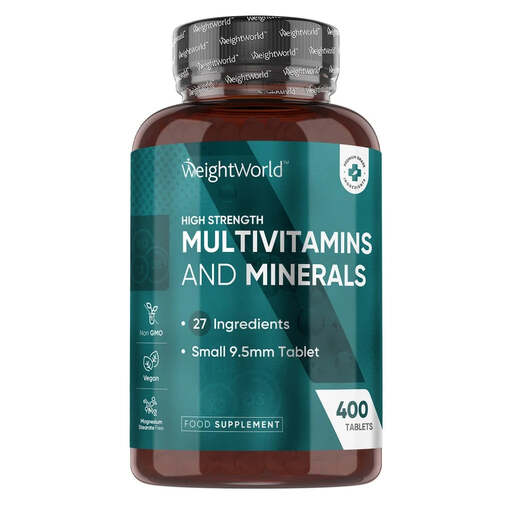
Why this choice suits this profile : With one tablet a day and 27 advertised vitamins and minerals, this general formula is ideal for getting started simply and building up a long-term supply.
The composition and daily dose are clearly stated, allowing you to compare the cost per day rather than focusing solely on the bottle price.
400 tablets, vegan and gluten-free formula, 9.5 mm tablets and mint flavour.
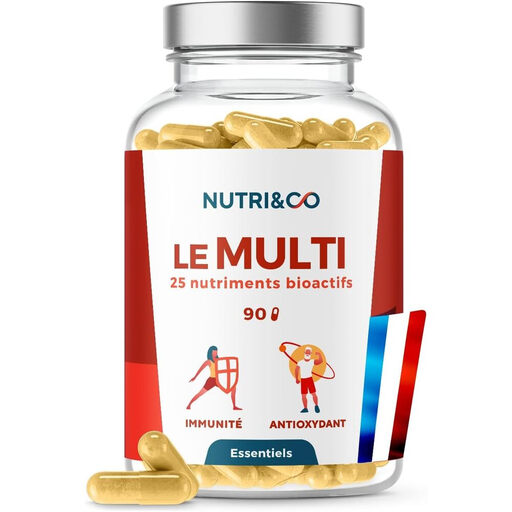
Why this choice suits this profile : This formula is aimed at adults who want to take a closer look at the forms used and choose a vegan formula enriched with several co-factors.
The product page specifies a daily intake of three capsules and details several forms of vitamins and minerals, so you can assess the amount actually provided.
25 advertised nutrients, vitamins D3 and K2, zinc and magnesium, vegan and gluten-free formula.
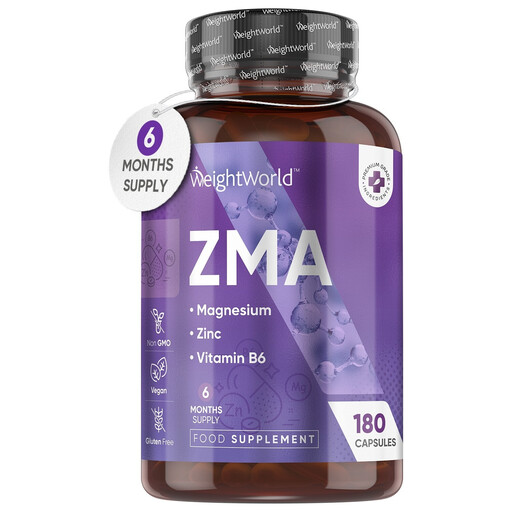
Why this choice suits this profile : This targeted formula is aimed at active adults looking for magnesium, zinc and vitamin B6 combined in a single daily dose.
The relatively concentrated dosage is clearly presented, making it easier to avoid combining this product with another source of zinc or vitamin B6.
Per capsule: 250 mg of magnesium, 15 mg of zinc and 3.5 mg of vitamin B6 according to the product page; 180 capsules, vegan and gluten-free formula.
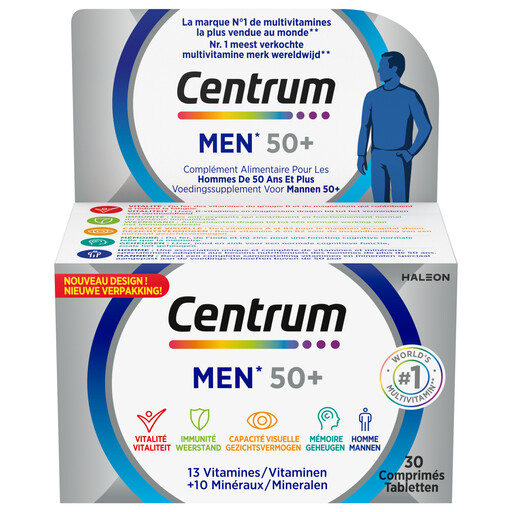
Why this choice suits this profile : This formula has been specially designed for men aged 50 and over, with one tablet to be taken daily with a meal.
The target age is clearly stated, helping you avoid choosing a generic formula without checking who it is intended for.
13 advertised vitamins and 10 minerals, with 15 µg of vitamin D, 135 mg of magnesium and 200 mg of calcium per tablet.
We have put together a comprehensive, real-time updated list of products that meet these demanding selection criteria and European safety regulations.
The duration depends on the formula, the daily dose and your diet. A bottle designed to last several months does not mean that continuous use is suitable for everyone. Follow the dosage instructions, monitor your intake alongside other supplements and seek advice from a healthcare professional if you are taking medication or have a specific need.
Tiredness can have many different causes. Products containing magnesium, iron, niacin or B vitamins may display authorised claims relating to the reduction of tiredness when the relevant regulatory conditions are met. This is neither a diagnosis nor a guarantee of individual effectiveness. Unusual or persistent tiredness should be discussed with a doctor.
A multivitamin can supplement a varied diet, but it does not replace meals, hydration or appropriate recovery. Athletes can compare a general formula with a targeted product such as ZMA, taking the amounts of magnesium, zinc and vitamin B6 into account. Avoid redundant combinations and never exceed the recommended dose.