
Livraison le jour même ou le lendemain

Qualité garantie

Débloquez vos offres de bienvenue: Livraison GRATUITE | Jusqu'à -80 % | 30 jours d'essai gratuits à JoyPlus
Téléchargez l'application
Vitamin and food supplement gummies have a lot going for them: a fruity taste, a chewable format, and a much more pleasant experience than swallowing a capsule. They slip easily into a bag, whether you’re at the office, travelling, or after a workout. But their resemblance to jelly sweets can blur the lines.
Before you place an order, three common pitfalls keep cropping up:
To compare food supplements in gummy form, look at the amount provided per daily serving, not just what’s in a single sweet. The NRV helps you see how a vitamin or mineral contributes to the European reference intake.
Vitamin D3 gummies, for example, can come in very different strengths. The WeightWorld Vitamin D3 reference provides 100 µg, which is 4,000 IU, per gummy: this is a high dose, so you must follow the instructions carefully and take into account your diet, medical history, and any medical advice. Pregnant or breastfeeding women, minors, and anyone with kidney disease should consult a healthcare professional before use.
Vegan gummies are usually made with pectin, whereas gelatine is animal-derived. Also check for the presence of gluten, milk, or other allergens. A pleasant texture doesn’t guarantee the product suits every diet.
The ingredients list also helps you tell the difference between a chewable vitamin and a confectionery item. Supplement gummies often contain sugar and glucose syrup, but their formula delivers a defined amount of nutrients. Sour jelly sweets, on the other hand, are designed for enjoyment and sharing – they cannot replace a food supplement.
Heat, humidity and light can alter the texture and affect the product’s quality. Choose an airtight container, store it in a dry place, and, where the label specifies, at a temperature generally below 25 °C. Keep gummies out of reach of children: their sweet-like appearance can encourage overconsumption.
Also avoid taking several products that contain the same nutrients without checking the total intake. This is especially important for vitamins B12 and D3, zinc, iodine, and biotin.
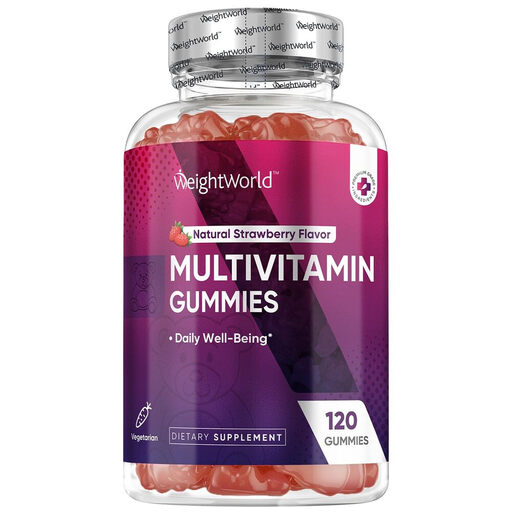
Why this choice suits this profile: A general-purpose formula can work well for adults who want to start with a single product and take two gummies a day after a meal.
The label details 13 vitamins and minerals along with the amounts per serving, making it easy to compare with other multivitamin gummies.
Pectin-based format, strawberry flavour, 120 gummies, and a supply of vitamins D3 and B12, zinc, and iodine.
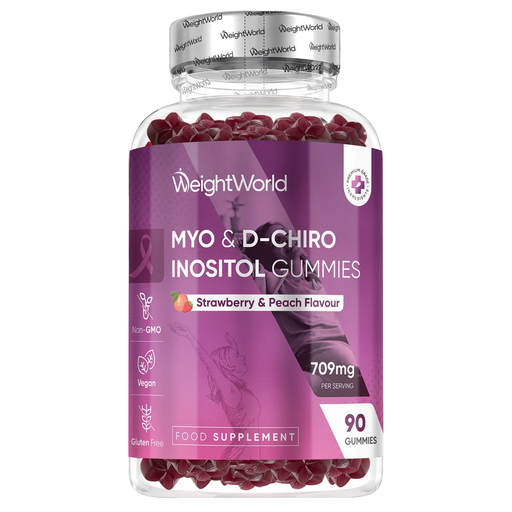
Why this choice suits this profile: This formula is aimed at women looking for a targeted combination of myo-inositol and D-chiro-inositol, in a format that’s more convenient than powder or tablets.
The daily dose is clearly stated: two gummies provide 709 mg of inositol. The limit of two units per day must be respected.
Combination of vitamins B6, B9, B12 and D3, zinc and chromium, with cranberry extract; vegan formula and gluten-free.
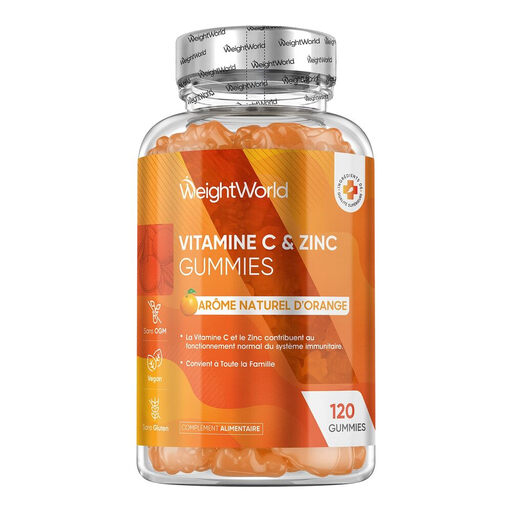
Why this choice suits this profile: A targeted option for adults who want to manage their vitamin C and zinc intake separately, especially during busy periods.
The quantities are detailed on the label: two gummies provide 200 mg of vitamin C and 10 mg of zinc. The stated maximum dose is two units per day.
Orange flavour, pectin, vegan formula, 120 gummies, and 250% of the NRV for vitamin C per serving.
We’ve put together a comprehensive, real-time selection of products that meet these strict criteria as well as European safety regulations.
For a targeted intake, vitamin B12 gummies, biotin gummies for hair, skin and nails, vitamin C and zinc gummies, or vitamin D3 gummies should be chosen based on their label and dosage. The WeightWorld Vitamin B12 reference, for example, provides 1,000 µg of B12 per gummy and recommends taking it in the morning or at midday. Such a dose should not be casually added to another multivitamin formula.
Probiotic gummies are a special case: the number of micro-organisms is usually expressed as colony-forming units. WeightWorld Probiotic 2Billion states two billion Bacillus coagulans per serving of two gummies, with 100 mg of inulin. For this type of product, storage conditions and the best-before date deserve particular attention.
Melatonin gummies for sleep are not suitable for every situation: they can reduce alertness and must be used according to the label instructions. If you are on medication, pregnant, or have persistent sleep problems, consult a doctor. Similarly, inositol gummies should not be presented as a treatment for a hormonal disorder.
On the other hand, products like Haribo Croco Pik, PTILO Sour Strawberry Lasso Gummy Candy x200, Sakura Drops Gummy Sweets Hello Kitty, or HARIBO Banan’s Gelified Candy Tub are confectionery items. They are great for sharing, birthdays, piñatas, and events, but their sugar content means they should be enjoyed occasionally. Always check the allergen list and recommended age, especially for young children.
The best-before date on the packaging is your reference. After opening, reseal the pot or box carefully and store the product in a cool, dry place. If you notice an unusual smell, colour, or texture, do not consume them.
No. The term vegan simply means the product contains no animal-derived ingredients, such as gelatine. Many vegan gummies are made with pectin but still contain sugar or glucose syrup. To check, read the nutritional table and the full ingredients list.
It’s best to compare the ingredients before combining them. Two products may both contain vitamin D, zinc, B12, or biotin, leading to an unnecessary cumulative intake. Stick to the recommended doses and seek advice from a healthcare professional if you are on medication, pregnant, breastfeeding, or have a medical condition.