
Livraison le jour même ou le lendemain

Qualité garantie

Débloquez vos offres de bienvenue: Livraison GRATUITE | Jusqu'à -80 % | 30 jours d'essai gratuits à JoyPlus
Téléchargez l'application
Are you looking for a vitamin D3 supplement, but the labels quickly make comparison difficult: 400 IU, 2,000 IU or 4,000 IU, tablets, drops, gummies, lanolin, lichen, calcium or vitamin K2. The price of the bottle alone isn't always enough to know which formula will best fit into your daily routine.
Two common pitfalls keep cropping up. First, a high dosage isn't necessarily more suitable: vitamin D3 at 4,000 IU equates to 100 µg per serving. That's a significant amount which warrants medical advice, particularly if you're on medication or have a kidney condition. Secondly, the term "plant-based" can refer to the oil or the excipients, without the vitamin D3 itself being of plant origin. So check the stated source: lichen for a vegan vitamin D3, or lanolin, derived from sheep's wool.
Vitamin D3 is usually expressed in IU, or international units, and in micrograms. To help you get your bearings, 1 µg of vitamin D3 equals 40 IU:
A vitamin D3 at 2,000 IU can be suitable for someone looking for a clearly dosed daily intake. A formula at 4,000 IU, on the other hand, requires more caution and should not be chosen without a specific reason. Avoid taking several products containing vitamin D without checking the total intake. Stick to the dose recommended by the manufacturer and do not exceed it.
The authorised health claims within the European Union state that vitamin D contributes to the maintenance of normal bones, teeth and muscle function, as well as to the normal function of the immune system. These statements do not replace a diagnosis or treatment.
Vitamin D3 tablets suit those who want a simple routine, with no particular taste and easy to store. The 8 mm micro-tablets can also be easier to swallow than larger formats.
Vitamin D3 drops allow you to adjust the quantity more precisely, which can be handy for both adults and children from the age stated on the label. However, you do need to measure the dose accurately using the dropper.
For vegetarians, vitamin D3 from lanolin can be suitable, but it is not vegan. Plant-based vitamin D3, obtained from lichen, is an option suited to those who avoid animal-derived ingredients. Also remember to check the excipients: coconut oil, rapeseed oil, bulking agents, flavourings or added sugars.
A vitamin D3 and K2 formula brings together two nutrients in a single serving. According to authorised health claims, vitamin K contributes to the maintenance of normal bones and to normal blood clotting. Anyone taking anticoagulant medication should seek advice from a healthcare professional before using vitamin K2.
The calcium and vitamin D3 duo may appeal to those who want to combine these two nutrients. However, you need to take into account your diet, any other supplements you are using and particular situations, especially in children or in cases of kidney disorders.
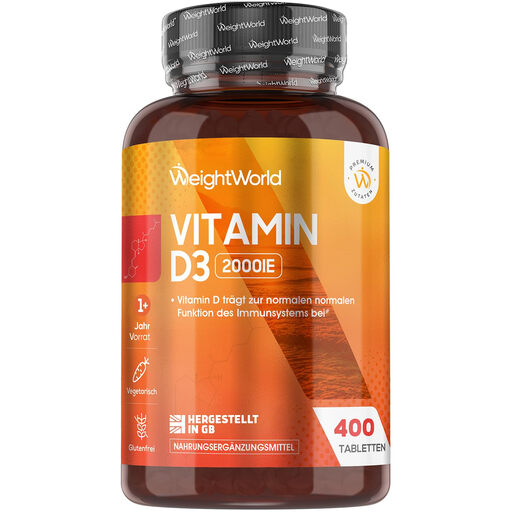
Why this choice suits this profile: One daily tablet of 2,000 IU, unflavoured, with 400 units per bottle. A practical format to reduce reordering and keep a simple routine.
The dosage is clearly stated in IU and µg. With 400 tablets, it's also easy to calculate the cost per serving.
8 mm tablets, a vegetarian formula, gluten-free, and over a year's supply based on the stated dosage.
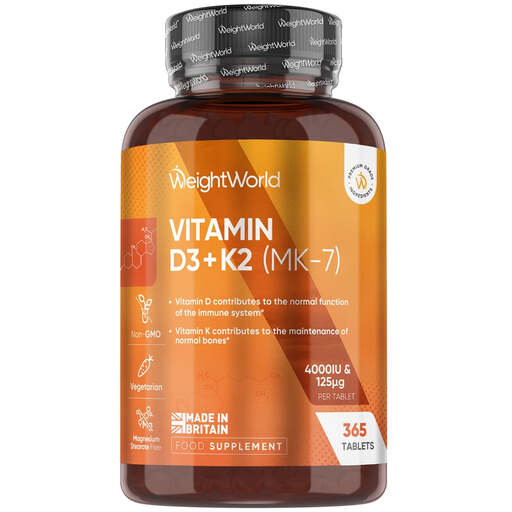
Why this choice suits this profile: This formula combines 4,000 IU of D3 and 125 µg of K2 MK-7 in one daily tablet. It's aimed at adults looking for a complete combination and a year's supply.
The composition specifies the MK-7 form, the dosage of each nutrient and the source of D3. With such a high dosage, however, please seek advice from a healthcare professional.
365 tablets, a vegetarian-friendly formula, non-GMO and free from magnesium stearate according to the product sheet.
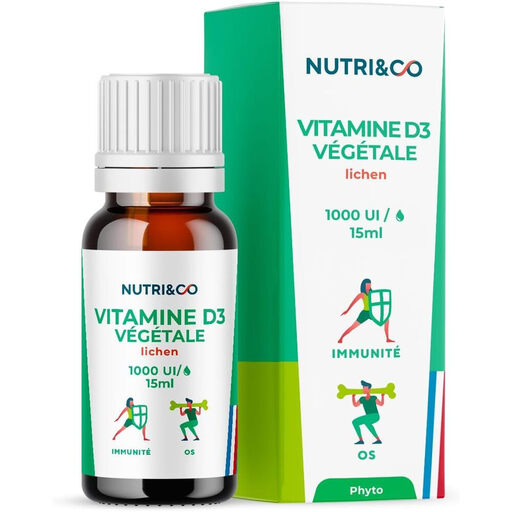
Why this choice suits this profile: Vegan individuals or those who want to adjust their intake can opt for this lichen-based oil in drops, dosed at 400 IU per drop.
The plant origin is clearly stated. The dropper allows you to distinguish 400 IU for one drop and 800 IU for two.
D3 from lichen, organic rapeseed oil, 15 ml bottle and use indicated from 4 years of age.
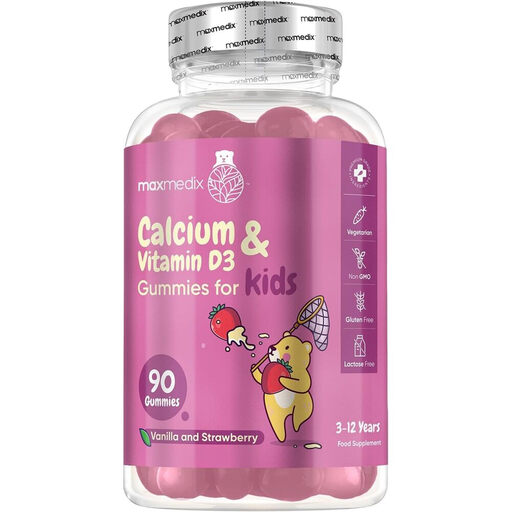
Why this choice suits this profile: The chewable format can simplify the routine for children aged 4 and over, with 250 mg of calcium and 300 IU of D3 per two gummies.
The minimum age, the daily dose of two gummies and the need to chew under supervision are specified on the product sheet.
A pectin-based formula, gelatine-free, combining calcium and vitamin D3 in a fruity format. Keep out of reach of children.
We've compiled a comprehensive, real-time selection of products that meet these exacting criteria and European safety regulations.
The first provides 50 µg per serving, the second 100 µg. A dosage of 4,000 IU is high: don't choose it just because the number is bigger. Take into account your blood test results, your diet and the recommendations of a healthcare professional.
Tablets are suitable for a standardised intake and are generally easy to count for long-term vitamin D supplementation. Drops offer a flexible dosage, but require you to carefully follow the stated number. In both cases, the manufacturer may recommend taking them with a meal containing fats, as vitamin D is fat-soluble.
No. The minimum age varies depending on the product: some are for adults only, while others are indicated from 2 or 4 years of age. Check the dose per gummy, the presence of sugar or glucose syrup, the choking risk and that it isn't being taken alongside another supplement containing vitamin D.