
Same-day & Next-day Delivery

Quality Guaranteed

Unlock Your Welcome Offers: FREE Delivery | Up to 80% OFF | Free 30-day JoyPlus trial
Download the APP
Vitamin C has cemented its status as the hero ingredient in modern skincare routines. Its promise? To restore radiance, even out skin tone, and combat the signs of ageing. But with an overwhelming number of options on the market, it's easy to get lost and invest in a product that fails to deliver. As the Head of Product Recommendations at Joybuy, my mission is to help you decode labels and make the right choice with confidence.
Before we dive into our top picks, let's review the three most common pitfalls that could render your purchase completely ineffective.
A serum advertising "20% Vitamin C" seems inherently more powerful than one with 10%. The reality is far more nuanced. An overly high concentration, especially of its purest form (L-ascorbic acid), can be irritating, particularly for sensitive skin. True efficacy depends far more on the formula's stability, its pH level, and its ability to penetrate the skin than on the percentage shown on the label.
Not all Vitamin C skincare products are created equal. This active ingredient comes in various forms, each with different stability levels and skin tolerances. L-ascorbic acid is the most researched form, but it's also the most unstable. It oxidises quickly when exposed to air and light, losing all its effectiveness and potentially even becoming pro-oxidant. More stable derivatives like Ascorbyl Glucoside or 3-O-Ethyl Ascorbic Acid offer an excellent alternative that is gentler, longer-lasting, and perfect for daily use.
Let's be clear: it's highly unlikely for a single product to be a potent dark spot corrector, an intense firming treatment, and the ultimate radiance booster all at once. The most effective formulas are often those that target one or two key concerns with a well-designed synergy of ingredients. A product that promises everything is more likely to do nothing well.
To ensure you don't go wrong, focus on a few key points that make all the difference in the quality and effectiveness of a Vitamin C product.
This is the non-negotiable criterion. Check the ingredients list (INCI) to identify the form used:
Vitamin C loves to be a team player. Its antioxidant power is amplified when paired with other active ingredients. Look for formulas that combine it with:
The texture and container directly influence the user experience and the product's efficacy.
Instead of an endless list, here are products that meet specific needs and profiles, selected according to the criteria we've just discussed.
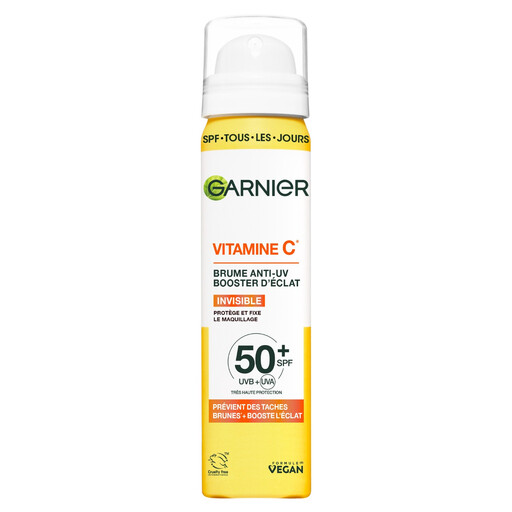
Why it's a great match: Perfect for reapplying sun protection during the day, even over makeup. This 2-in-1 format combines high UV protection with a Vitamin C derivative for a quick, effective step that's tailor-made for an active lifestyle.
It isn't marketed as an intensive treatment, but as an on-the-go protective shield. It uses Ascorbyl Glucoside, a stable derivative, which ensures the active ingredient remains effective even with portable use.
Combines high SPF 50+ sun protection with antioxidant action. Features a lightweight, non-sticky, and transparent mist texture that is easy to reapply.
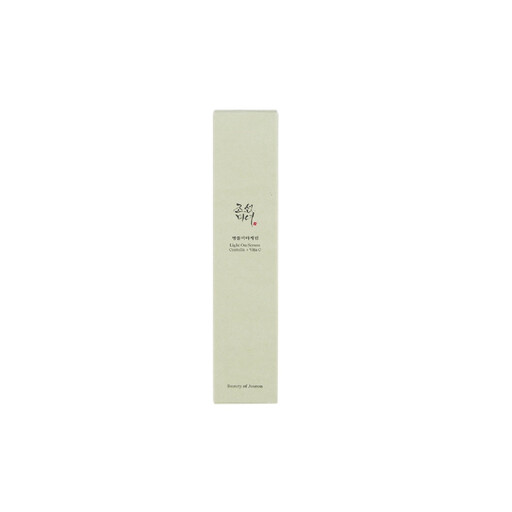
Why it's a great match: Designed for skin that is prone to redness or reacts to overly potent formulas. The combination of Vitamin C with Centella Asiatica, a renowned soothing ingredient, boosts radiance while calming the epidermis.
It avoids the "high concentration" trap by relying on a well-balanced formula. It uses 3-O-Ethyl Ascorbic Acid, a stable and gentle derivative that minimises the risk of irritation for sensitive skin.
Dual action: provides radiance and soothing benefits thanks to Centella Asiatica. Its lightweight, fast-absorbing texture is suitable for daily use.
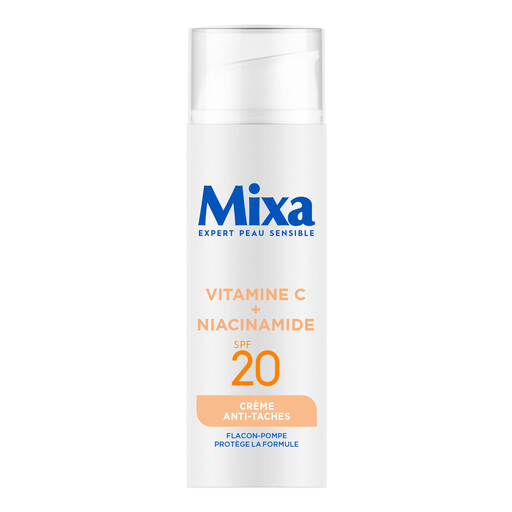
Why it's a great match: For anyone whose priority is to reduce pigmentation spots and even out an irregular skin tone. This cream combines two of the most renowned ingredients for tackling this issue.
It sidesteps the "all-in-one" myth by focusing on a single mission: anti-dark spot action. The synergy between Vitamin Cg (a stable derivative) and Niacinamide is a targeted and proven approach for this concern.
Provides 48-hour hydration and anti-dark spot action in one comfortable cream. Hypoallergenic formula developed under medical supervision.
We have curated a complete, up-to-date selection of products that meet our strict selection criteria and current regulations.
Absolutely. The secret is to choose the right formula. Opt for products containing stable and gentle Vitamin C derivatives, such as Ascorbyl Glucoside or 3-O-Ethyl Ascorbic Acid. It's also advisable to start by applying it every other day to see how your skin reacts before moving to daily use.
Ideally, in the morning. Vitamin C is a powerful antioxidant that helps protect the skin from external aggressors (like pollution and UV rays) throughout the day. Apply your Vitamin C serum to clean, dry skin, before your moisturiser and—this is essential—before your sunscreen. Applying it just before your SPF can even boost its protective efficacy.
The tell-tale sign is a change in colour. A serum based on pure L-ascorbic acid is typically transparent or very light-coloured initially. If it turns yellow, orange, or brown, it has oxidised and lost much of its effectiveness. A slightly metallic or "hot" smell can also be an indicator. To preserve your product, store it away from light and heat.