
当日/次日达

品质保障

开启新人专享福利: 全场免邮 | 低至 2 折 | 免费试用 30 天 JoyPlus 会员
下载 Joybuy
Dull complexion, dark spots, the first fine lines, or simply wanting to take a vitamin C supplement – not all products containing it serve the same purpose. A serum shouldn't be chosen in the same way as a 1,000 mg vitamin C tablet, and a skincare product with SPF can never replace a properly applied SPF 50+ sunscreen.
Before placing an order, it's wise to be wary of overly vague promises. Here are the criteria that will help you compare formulas, spot the important information, and choose a product that's genuinely right for your routine.
On a label, the mention "vitamin C" can refer to ascorbic acid, its pure form, or one of its derivatives, such as ascorbyl glucoside or 3-O-ethyl ascorbic acid. These different forms don't have exactly the same properties or the same tolerance level in cosmetics.
For a food supplement, look at the amount provided per daily dose, not just the number of capsules. A formula claiming 1,000 mg per serving of two capsules doesn't necessarily provide 1,000 mg per capsule. As for serums, the stated concentration alone isn't enough to predict how every skin type will react.
Vitamin C can have a place in a routine designed to revive a dull complexion or reduce the appearance of dark spots. But ultraviolet rays can continue to maintain them. So a product enriched with vitamin C does not replace an SPF 50+ sunscreen.
In the morning, apply your sunscreen in sufficient quantity and reapply it depending on your exposure. If your skin reacts easily, be particularly careful when combining it with exfoliating products containing AHA, PHA or salicylic acids.
Ascorbic acid and some of its derivatives can degrade when exposed to light, heat or humidity. A significant change in colour, an unusual smell, or a change in texture should prompt you to check the expiry date and the manufacturer's recommendations.
For a serum, start gently and test the product on a small area first. For a supplement, stick to the recommended dose and avoid combining several products that already contain vitamin C.
When the daily dose is sufficient, vitamin C contributes, in accordance with the authorised nutrition claims in the European Union, to the normal function of the immune system, normal collagen formation and the reduction of tiredness and fatigue. This does not mean it prevents or cures any disease.
For a serum, also look at the presence of hydrating agents like glycerin, hyaluronic acid or panthenol. Niacinamide, tranexamic acid or certain exfoliants can complement a routine aimed at improving an uneven skin tone. However, be careful not to multiply active ingredients without caution.
For a supplement, consider the format, taste, excipients and any dietary restrictions. A vegan formula, free from gluten and lactose, may suit certain habits, but these mentions don't guarantee tolerance for everyone.
An opaque bottle or one designed to resist UV can limit the serum's exposure to light. For tablets and capsules, choose packaging that seals well and store them in a dry place.
Consistency also matters a great deal. A highly concentrated but uncomfortable formula is likely to end up at the back of a drawer. Conversely, a simple product, correctly dosed and easy to incorporate into your routine, will often be more effective in the long run.
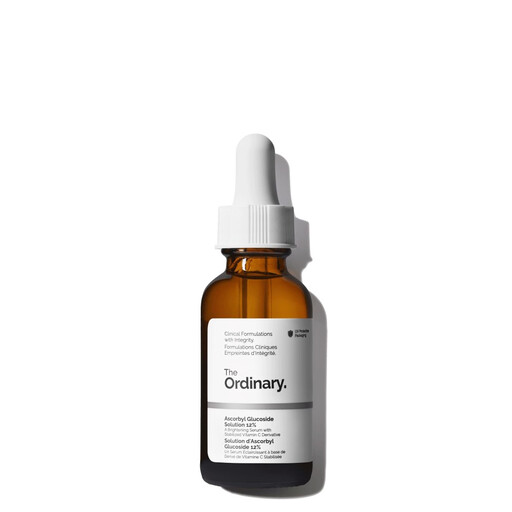
Why this choice suits this profile: With 12% ascorbyl glucoside, fragrance-free and silicone-free, this formula is ideal for those wanting to start a routine to revive a dull complexion, with a lightweight texture.
The form of vitamin C is clearly stated – impossible to confuse it with pure ascorbic acid.
A watery texture, a fragrance-free formula, and the recommendation to patch test on a small area first.
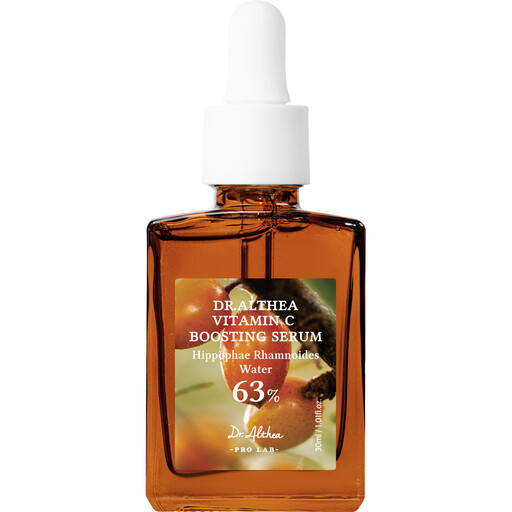
Why this choice suits this profile: This Korean-inspired formula combines a stable vitamin C derivative with niacinamide, tranexamic acid, panthenol and centella asiatica.
The ingredient list specifies the form used and the associated active ingredients, rather than just stating "vitamin C".
A 30 ml format, a lightweight texture, and soothing agents like panthenol and bisabolol.
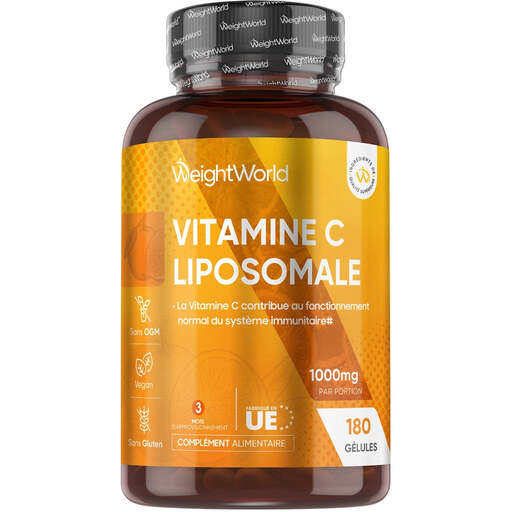
Why this choice suits this profile: Two capsules provide 1,000 mg of vitamin C in the form of L-ascorbic acid, complemented by sunflower phospholipids and rosehip extract.
The dose is stated for a serving of two capsules, and the manufacturer advises not to exceed the recommended dose.
180 capsules, a vegan formula, free from gluten and lactose, and with no added flavourings.
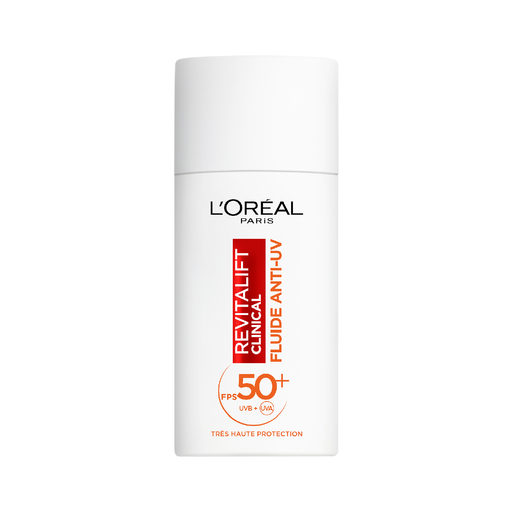
Why this choice suits this profile: This fluid combines SPF 50+ protection with a vitamin C derivative, vitamin E, glycerin and hyaluronic acid for your morning routine.
The vitamin C is not presented as a sun protection – the SPF rating is stated separately and without ambiguity.
An SPF 50+ rating, a fluid texture, and hydrating agents in the stated composition.
We've selected a complete range, updated in real time, of products that meet these exacting criteria as well as European safety regulations.
It all depends on the form used, its concentration and your skin's tolerance. Start with a few applications per week, then gradually increase if no irritation appears. Avoid the eye area and apply a sunscreen in the morning.
Compare the amount provided per dose, the form of vitamin C used and the usage precautions. A cranberry vitamin C formula can combine cranberry extract with vitamin C, while a supplement dosed at 1,000 mg provides a larger amount. The product WeightWorld Cranberry with Vitamin C indicates, for example, 100 mg of vitamin C per capsule and a vegan formula, free from gluten and lactose. If you are pregnant or breastfeeding, if you are taking medication or if you have any particular medical history, seek advice from a healthcare professional.
Follow the date on the packaging as well as the recommended storage conditions. Close supplements carefully and store serums away from light and heat. In the case of a vitamin C-enriched shower filter, check the stated lifespan, compatibility with your plumbing and the frequency of cartridge replacement.