
Livraison le jour même ou le lendemain

Qualité garantie

Débloquez vos offres de bienvenue: Livraison GRATUITE | Jusqu'à -80 % | 30 jours d'essai gratuits à JoyPlus
Téléchargez l'application
Vitamin C comes in many forms: food supplements, effervescent tablets, liposomal vitamin C, serums, creams and facial products combined with niacinamide. This variety makes it possible to find a formula suited to every use, but it can also make choosing more difficult and increase the risk of buying the wrong product.
A high dosage does not guarantee that a product will suit you. Likewise, the promise of a ‘glowing complexion’ says nothing about the form of vitamin C used or how well the formula will be tolerated. Here are the criteria to consider before placing an order, along with a selection of products for different needs.
For a supplement, 1000 mg of vitamin C is a substantial amount. By comparison, the European nutritional reference value is set at 80 mg per day for an adult. A product displaying 1000 mg per serving should therefore be used in accordance with the label instructions, without combining it with several other sources of vitamin C.
Vitamin C contributes to the normal function of the immune system and to the reduction of tiredness and fatigue. However, a supplement is not a substitute for a varied, balanced diet. Anyone taking medication or with a history of kidney stones, as well as pregnant or breastfeeding women, should seek advice from a healthcare professional.
Liposomal vitamin C is available in liquid form or as capsules. The term refers to a formulation technology, but it is not enough to compare two products. Always check:
A liquid format can be convenient for everyday use, while capsules may be better suited to those who prefer to avoid flavours and effervescent tablets.
On a vitamin C serum label, you may see Ascorbic Acid, Ascorbyl Glucoside or 3-O-Ethyl Ascorbic Acid. These ingredients are different forms of vitamin C. Their stability, texture and tolerability can therefore vary.
The stated concentration should also be interpreted with care. A formula containing 12% ascorbyl glucoside cannot be compared directly with a formula containing 10% pure ascorbic acid. The INCI list, your skin type and the presence of complementary active ingredients are more informative than a percentage considered on its own.
For a vitamin C food supplement, check the amount per tablet or dose, the daily limit and the allergen list. Vitamin C effervescent tablets can be pleasant to take, but also check for sugar, sodium or polyols. Excessive consumption of polyols may have a laxative effect.
Formulas enriched with bioflavonoids or rosehip are often chosen to complement vitamin C intake. However, the presence of an ingredient alone is not proof of its effectiveness in every product.
For a skincare product, the form of vitamin C should fit into the rest of your routine. Niacinamide can complement a routine designed to improve the evenness of your complexion, while hyaluronic acid mainly helps to provide a hydrated feel. No serum or cream replaces sun protection, particularly SPF 50+ sun protection when exposed to the sun.
Those with sensitive skin should introduce a new product gradually, after testing it on a small area. Fragrance, essential oils, denatured alcohol, exfoliating acids or high concentrations may not suit everyone.
Store products according to the instructions on the packaging, away from heat and light. With vitamin C skincare products, the colour, smell and texture may change if oxidation occurs. Follow the recommended period after opening and the date shown on the packaging.
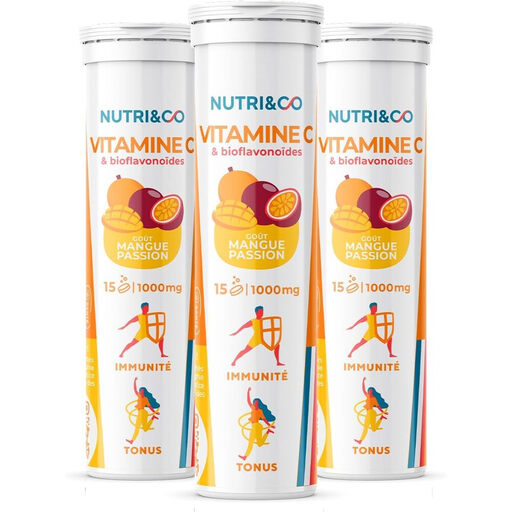
Why this choice suits this profile : An effervescent format that is easy to incorporate into your morning routine, with 45 tablets in total and a stated serving of one tablet per day for adults.
The 1000 mg dosage per tablet is clearly stated, as is the limit of one tablet per 24 hours and the presence of polyols.
A vegan, gluten-free, lactose-free formula with no added sugar and orange bioflavonoids, according to the product information.
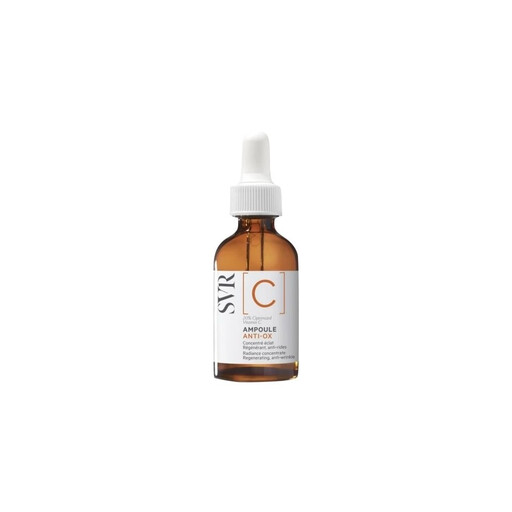
Why this choice suits this profile : A concentrated texture designed for people looking for a targeted serum to revive a dull complexion and reduce the appearance of fatigue-related marks.
The product information specifies the 3-O-Ethyl Ascorbic Acid form, the stated 20% concentration and the usage precautions, rather than relying solely on a simple glow claim.
A serum made in France and formulated with glycerine, urea and sodium hyaluronate.
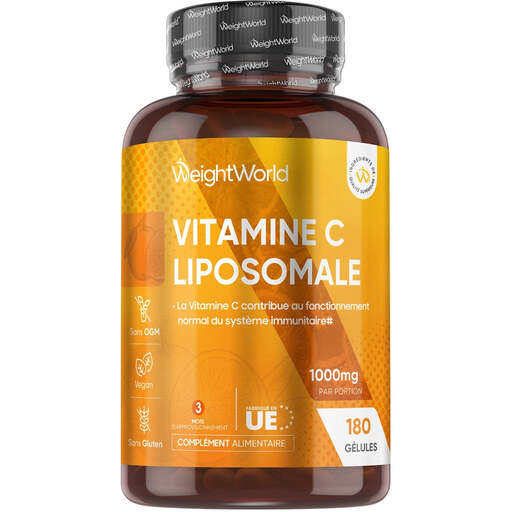
Why this choice suits this profile : The bottle is presented as offering three months’ use, at two capsules per day, with a flavour-free formula.
The 1000 mg quantity corresponds to two capsules. This is a useful detail that helps avoid confusing the serving dosage with the dosage per unit.
A formula described as vegan and gluten-free, with sunflower phospholipids and rosehip extract.
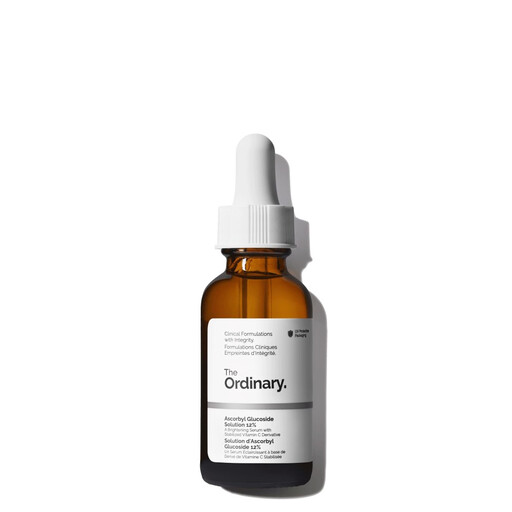
Why this choice suits this profile : Its fragrance-free, water-based formula is suitable for people who want to start using a vitamin C facial product with a lightweight texture.
The product clearly states that it contains 12% ascorbyl glucoside. A patch test is recommended if you have reactive skin.
A lightweight texture and a fragrance-free, silicone-free and sulphate-free formula, according to the information provided.
We have put together a complete, real-time updated list of products that meet these demanding selection criteria and European safety regulations.
A supplement containing ascorbic acid may be suitable if you are looking for a clearly dosed daily intake. Effervescent formats are convenient, while capsules and liquid solutions often avoid added flavours. Check the serving size, maximum dose and any contraindications relating to your personal circumstances.
It depends on the form used and how well your skin tolerates it. If you already use exfoliating acids or retinol, start by spacing out applications. Then apply a moisturiser and, in the morning, SPF 50+ sun protection suited to your level of exposure.
Follow the expiry date and the period after opening shown on the packaging. Close the bottle carefully and store it away from light and heat. If the colour, smell or texture changes noticeably, stop using the product and consult the manufacturer’s recommendations.