
Livraison le jour même ou le lendemain

Qualité garantie

Débloquez vos offres de bienvenue: Livraison GRATUITE | Jusqu'à -80 % | 30 jours d'essai gratuits à JoyPlus
Téléchargez l'application
It's no coincidence that the Y2K digital camera trend has taken over social media. That slightly grainy look, with its saturated colours and sometimes harsh flash, brings a touch of authenticity and nostalgia that our high-performance smartphones struggle to replicate. However, the quest for the perfect vintage compact camera can quickly become a headache.
Before you dive in, here are three common pitfalls to avoid so the experience doesn't turn into a nightmare:
To find that hidden gem that combines retro style with modern practicality, focus on a few simple but essential technical features.
To achieve that famous look, an avalanche of megapixels is actually counterproductive. A CMOS sensor offering between 18 and 24 megapixels is more than enough. The real secret to the retro digicam look lies in how the image processor interprets colour and light, creating that subtle grain and those sought-after vibrant hues. A newer camera with a 40MP sensor will produce an image that is too sharp—the exact opposite of the desired effect.
Be careful not to confuse the two types of zoom:
A model with an 8x optical zoom is an excellent compromise between quality and a pocket-sized format.
A good small pocket camera should be, above all, lightweight and intuitive. Check that it has a standard charging port (like USB) so you don't have to rely on an impossible-to-find proprietary charger. The inclusion of Wi-Fi is a real bonus, as it allows you to instantly transfer your shots to your smartphone for sharing. It's the perfect combination: a vintage aesthetic with modern usability.
Here are a few models that suit different needs while avoiding the usual pitfalls.
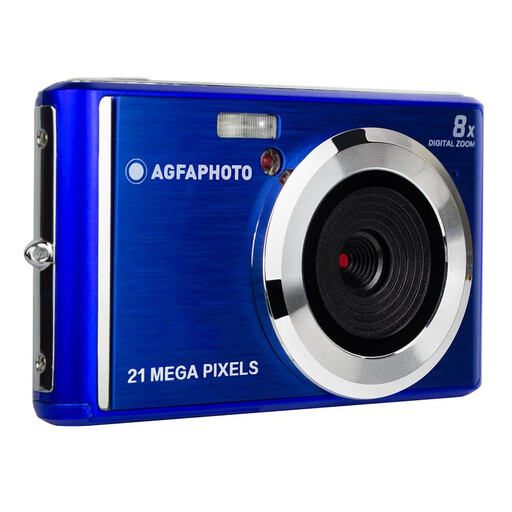
Why we love it: Its colourful design and simplicity make it the perfect fashion accessory for capturing moments on the fly. It's designed to recreate that authentic Y2K aesthetic, hassle-free.
It features a USB-rechargeable lithium battery and a standard SD card, sparing you the compatibility hassles of older models.
Absolute "point-and-shoot" simplicity and a pop design, perfect for daily use and social media.
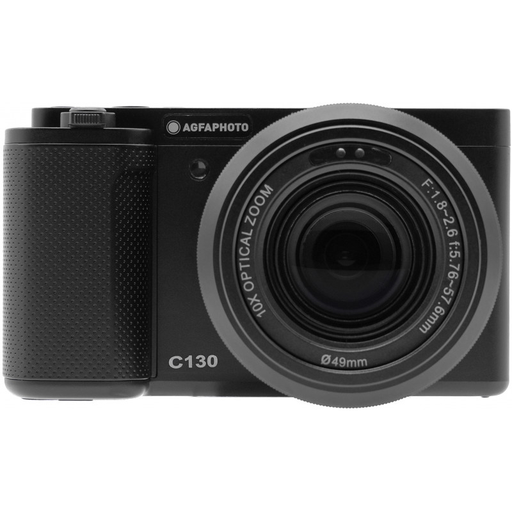
Why we love it: It blends a retro look with modern features like a rotating touchscreen and 4K video. A perfect combo for vlogs, selfies, and varied content creation.
Its touch interface and Wi-Fi connectivity provide a smooth experience, a far cry from the complexity of old cameras, while still offering advanced features.
The rotating screen for creative framing and the 10x optical zoom for quality close-ups, even from a distance.
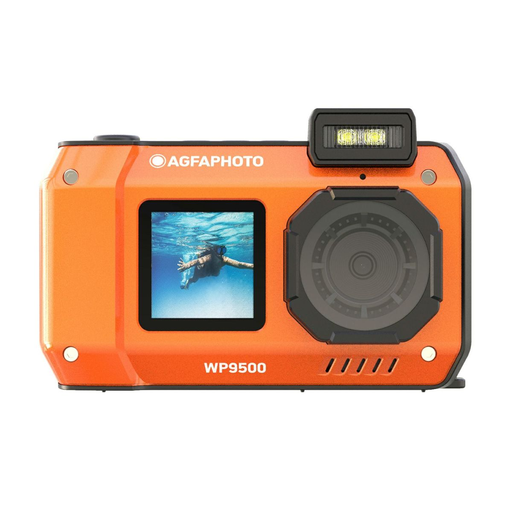
Why we love it: Rugged and waterproof, it's built for travel, festivals, or days at the beach. Its dual screen is a brilliant feature for nailing selfies in the middle of the action.
Unlike a fragile vintage camera, this model is designed to withstand shocks and water (up to 7 metres), ensuring its longevity even in the most extreme conditions.
Its waterproof design and dual screen (front and back) make it perfect for outdoor activities and group photos.
We've put together a complete selection of products that tick all the boxes in this guide and meet current standards.
It couldn't be simpler! You have several options. Modern retro-inspired models often include Wi-Fi connectivity for wireless transfer via a dedicated app. Otherwise, the classic method is to use the supplied USB cable to copy the photos to a computer, and then to your phone. Another very practical solution is an external SD card reader that plugs directly into your smartphone's port (USB-C or Lightning).
A Y2K digital camera (or retro digicam) is, as its name suggests, a digital device that saves photos to a memory card (usually SD). A film camera, on the other hand, uses a physical film roll that must be chemically developed to reveal the images. The models in this guide are all digital, offering the vintage aesthetic without the cost and hassle of film development.
Yes, in most cases. The memory card is rarely included. Some kits might include a low-capacity one (16GB, for example), but to be comfortable, especially if you plan to shoot video, buying a 32GB or 64GB SD card is a good idea. Just remember to check the maximum capacity supported by the camera before you buy.