
Livraison le jour même ou le lendemain

Qualité garantie

Débloquez vos offres de bienvenue: Livraison GRATUITE | Jusqu'à -80 % | 30 jours d'essai gratuits à JoyPlus
Téléchargez l'application
Standing in the oil and vinegar aisle, the sheer number of options can be overwhelming. Between a balsamic vinegar from Modena, a rice vinegar for your Asian dishes, or an apple cider vinegar for a homemade vinaigrette, how do you choose? Every bottle promises to transform your meals, but not all are created equal.
As a product expert at Joybuy, my mission is simple: to help you make sense of it all. This guide gives you everything you need to choose the perfect vinegar for your recipes, whether for a simple salad, an elaborate marinade, or to buy vinegar online with complete confidence.
Before we get to our top picks, here are the essential points to check to make the right choice.
This is the number one factor: what will you use it for?
A good habit is to decode the label. It often tells you a lot. The golden rule? The fewer ingredients, the better.
Expressed as a percentage (or in degrees), acidity defines the "bite" of the vinegar. Most vinegars range between 6% and 7%. A milder vinegar, like some rice vinegars, can be as low as 4% or 5%, making it more pleasant to use on its own without needing to be diluted.
We've selected three gems that meet specific needs, chosen for their taste and versatility.
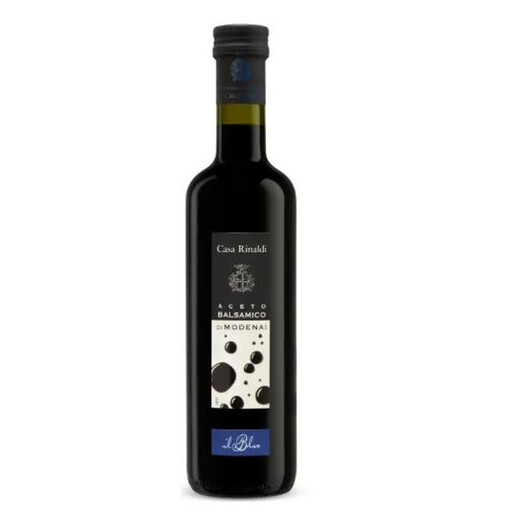
Why it stands out This vinegar boasts the "Aceto Balsamico di Modena" PGI designation, a guarantee that it is produced and bottled in the Modena region of Italy according to strict specifications. Its secret lies in the perfect balance between the acidity of wine vinegar and the sweetness of grape must, making it incredibly versatile.
Advantages
Who is it for?? For lovers of Italian cuisine and anyone looking for an authentic and reliable everyday balsamic vinegar. A safe bet for getting acquainted with the flavours of Modena.
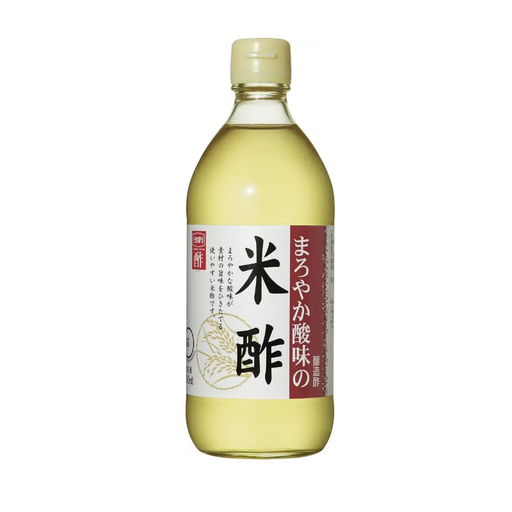
Why it stands out Uchibori rice vinegar is made from rice and pure water from the Japanese Central Alps. It is characterised by its mild acidity and a clean, pleasant aroma. Unlike other vinegars, it enhances flavours without ever overpowering them.
Advantages
Who is it for?? Essential for Japanese cooking enthusiasts, from sushi to simmered dishes. It's also the perfect alternative for those who find traditional vinegars too strong and are looking for more subtlety.
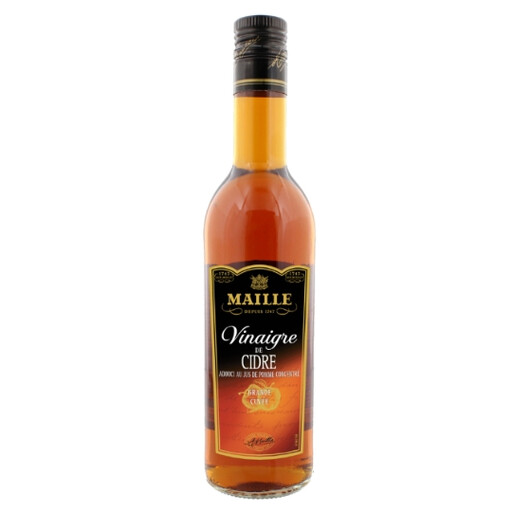
Why it stands out Maille reinvents its classic with this milder version. The secret? The addition of concentrated apple juice (14%), which balances the vinegar's natural acidity. The result is a product with a fruity, rounded, and very approachable taste. It's a modern take on a great French classic.
Advantages
Who is it for?? For those who love the aroma of cider but with less of a bite. An excellent choice for reinventing your daily vinaigrette with a fruity, gourmet touch.
Our selection covers three essentials, but the world of vinegar is much vaster. Want to explore other flavours or sizes? Take a look at our complete collection.
? Discover our range of 500ml vinegars
1. How do I make a simple, foolproof homemade vinaigrette?? The secret to a perfect homemade vinaigrette is the 3-to-1 ratio: mix three parts oil (olive, rapeseed, sunflower...) to one part vinegar. Then add salt, pepper, and, if you like, a teaspoon of mustard to help it emulsify. Feel free to customise it with fresh herbs, garlic, or a minced shallot.
2. What's the best way to store vinegar?? Vinegar keeps for a very long time. Simply store it in a cupboard, away from light and heat, with the cap tightly closed. There's no need to refrigerate it. Over time, a slight sediment may form at the bottom of the bottle: this is the "mother" of vinegar, a natural and completely harmless phenomenon.
3. What's the difference between balsamic vinegar and wine vinegar?? Wine vinegar is made from the acetic fermentation of wine (red or white). Its taste is generally quite acidic and straightforward. Balsamic vinegar of Modena PGI, on the other hand, is a blend of wine vinegar and cooked or concentrated grape must. It's this addition of must that gives it its characteristic dark colour and its famous sweet-and-sour taste, which is much more complex and rounded on the palate.