
Livraison le jour même ou le lendemain

Qualité garantie

Débloquez vos offres de bienvenue: Livraison GRATUITE | Jusqu'à -80 % | 30 jours d'essai gratuits à JoyPlus
Téléchargez l'application
Choosing a rosé wine might seem simple: is a pale colour, a 75 cl bottle and a few notes of red fruit all it takes to make the right choice? In reality, a French rosé, a Provence rosé, a sparkling wine or an alcohol-free option will each bring a very different experience to the table.
Before you buy, watch out for these three common pitfalls:
Here are the points to consider when choosing a bottle for an aperitif, a meal, a celebration or an alcohol-free alternative.
A Provence rosé often has a fresh, delicate profile, with notes of citrus, small red berries or flowers. But the word “Provence” alone won’t tell you everything about how it will taste: check the exact appellation, alcohol content and producer’s notes.
A French rosé wine can also come from Burgundy, Bordeaux, the Rhône Valley, Beaujolais or a Mediterranean region. An IGP generally gives producers more freedom in how they express the local terroir and blend grape varieties, while an AOP must meet specific geographical production requirements.
For a fruity profile, look for notes of strawberry, raspberry, cherry, citrus or red fruit. With a meal, freshness and acidity are often more important than intense aromas.
The label or product details should tell you:
Alcoholic drinks are for adults only. Enjoy them in moderation; they are not recommended during pregnancy. If the ingredients or alcohol content aren’t clearly stated, check the label carefully before ordering.
For an alcohol-free alternative, check the stated alcohol content. A product labelled 0 % vol. won’t taste like a classic rosé wine and may not fall into the same regulatory category. It can still be a good choice for an aperitif, especially if you’re looking for something that looks like a sparkling wine.
A still rosé is an easy match for aperitifs, salads, barbecues and summer dishes. A sparkling rosé wine feels livelier thanks to its bubbles. Some of the most popular options include:
As a general guide, serve still rosé between 8 and 12 °C, depending on its style, and sparkling wine well chilled, at around 8 to 10 °C. Too high a temperature can mask the aromas, while chilling it too much can make the wine less expressive.
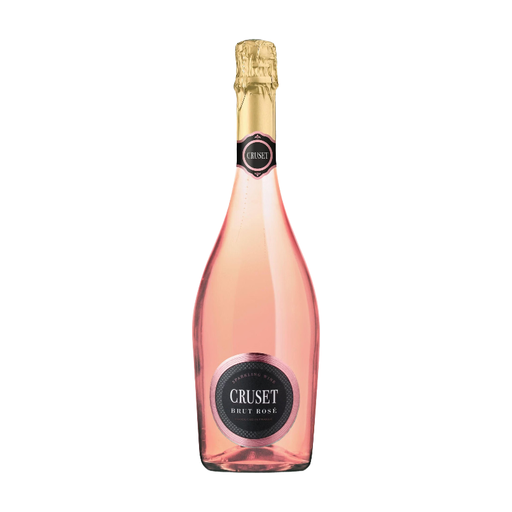
Why it suits this profile : Its 750 ml bottle and brut style make it an easy choice for a first purchase. Serve it as an aperitif or with a red-fruit dessert.
The product details mention cherry and strawberry aromas, recommend serving it as an aperitif and confirm it contains sulphites, rather than relying on a purely visual promise.
A salmon-pink colour, fine bubbles and a red-fruit-led profile.
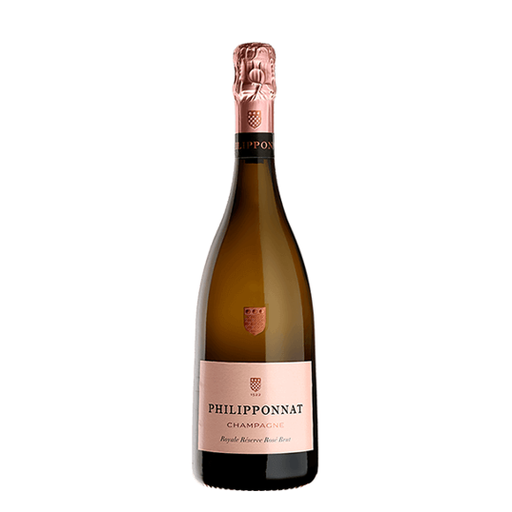
Why it suits this profile : This rosé Champagne is made for celebratory meals, gifts and occasions when you’re looking for particularly fine bubbles.
The stated blend — 75 % Pinot Noir, 20 % Chardonnay and 5 % Pinot Meunier — gives you a clear indication of the cuvée’s composition.
Notes of cherry, wild strawberry and citrus, with bubbles described as fine and long-lasting.
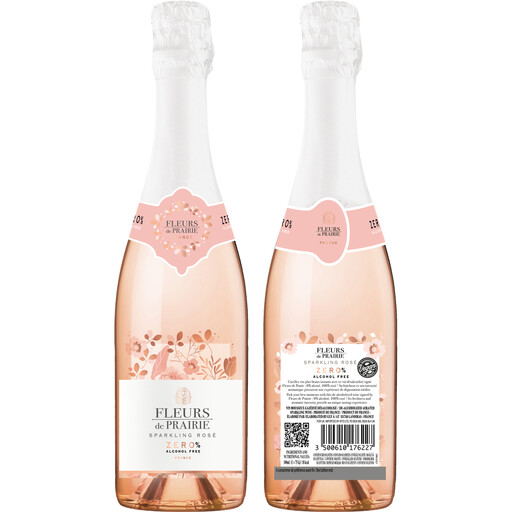
Why it suits this profile : Its stated alcohol content of 0 % vol. makes it suitable for business meals, designated drivers and guests who wish to avoid alcohol.
The product details specify its 0 % vol. alcohol content, 750 ml volume and recommended serving temperature of 8 to 10 °C — all useful details to check before buying.
Bubbles with notes of lemon and red fruit, plus a recommendation to store it in a cool, dark place.
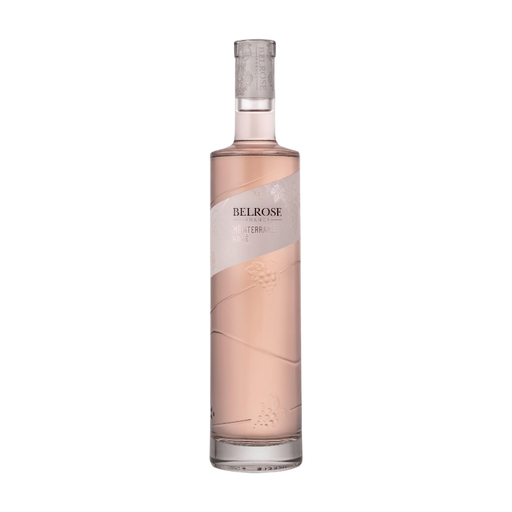
Why it suits this profile : This Mediterranean rosé is a great match for aperitifs, salads, charcuterie and lighter meals, provided it’s served well chilled.
The IGP Méditerranée designation, stated alcohol content of 12,5 % vol. and serving temperature of 10 to 12 °C are listed separately.
Stated notes of nectarine, white fruit, red fruit and fresh flowers.
We’ve put together a comprehensive, regularly updated list of products that meet these strict selection criteria, as well as European safety regulations.
Still rosé is generally best served chilled, between 8 and 12 °C. Sparkling rosé wine is best served between 8 and 10 °C. Check the product details too: a more aromatic rosé may benefit from being served at a slightly higher temperature.
Rosé Champagne comes from Champagne and must meet the requirements of that appellation. Rosé Crémant is made in another French region, according to the rules of the relevant appellation. Rosé Prosecco is an Italian sparkling wine, generally made from Glera with Pinot Noir added. Its origin, dosage and grape varieties all shape its final style.
Before opening, store it in a cool, dry place away from light. Once opened, reseal the bottle and put it in the fridge. Still wine should generally be drunk soon after opening. For sparkling wine, a suitable stopper can help preserve the bubbles, but won’t keep them fresh indefinitely.