
Livraison le jour même ou le lendemain

Qualité garantie

Débloquez vos offres de bienvenue: Livraison GRATUITE | Jusqu'à -80 % | 30 jours d'essai gratuits à JoyPlus
Téléchargez l'application
A star ingredient in Vietnamese cuisine, rice noodles can make or break a dish. Navigating the supermarket aisle can often be a puzzle. Between the different shapes, thicknesses, and brands, it's easy to make a mistake and end up with mushy noodles for your Ph? or vermicelli that's too thick for your spring rolls. As a product expert for Joybuy, I'm sharing my secrets to help you decode the packaging and choose the perfect noodle for your recipe, without falling for the most common pitfalls.
To start, here are the two classic mistakes to avoid:
bánh ph?) for spring rolls (nem) is a frequent error. The result? A disappointing texture that's far from the original. Every Vietnamese dish has its own preferred noodle.Asian rice noodles are naturally gluten-free. While the noodles themselves often are, the seasoning packets in instant versions can contain gluten (from wheat), flavour enhancers, or other allergens.To buy your Vietnamese noodles online with confidence, you just need to master three technical criteria. They will guarantee you find the product that will elevate the recipe you have in mind.
Vietnamese cuisine is precise. The texture and shape of the noodles directly influence the balance of the dish.
nem) or for bun tuoi for nems.The authenticity of a rice noodle lies in its simplicity.
pho bo options, but always check the allergen list if you have dietary restrictions.The product type determines the cooking time and technique.
Rather than searching for the absolute "best" product, let's find the one that perfectly matches your needs. Here is our selection for three distinct profiles.
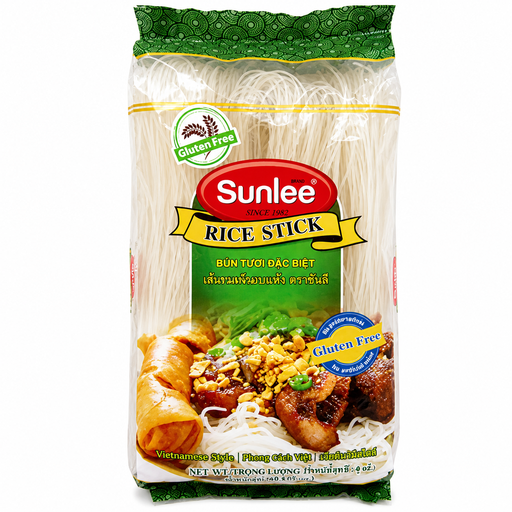
Why it's the right choice: The essential ingredient for anyone who loves preparing authentic Vietnamese dishes. This thin vermicelli (1.2 mm) is perfect for noodle salads (Bún) and spring rolls, offering a delicate texture that doesn't overpower the other ingredients.
By choosing a clearly identified thin vermicelli, you avoid the pitfall of using a noodle that is too thick or flat for delicate dishes. Its simple ingredients (rice flour, water) guarantee a neutral and authentic base.
Versatility: Suitable for salads, soups, and rolls. Texture: Fine and pliable after cooking. Naturally gluten-free.
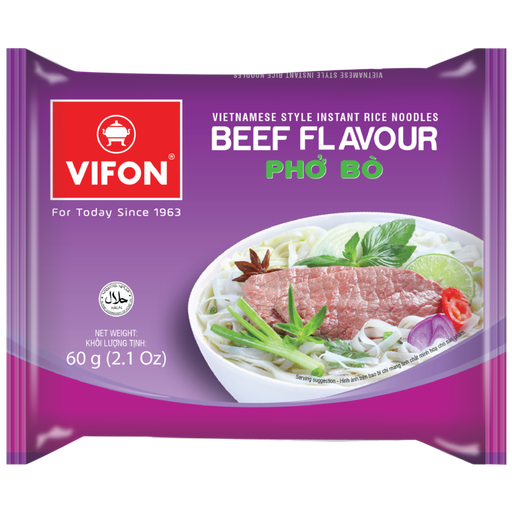
Why it's the right choice: The perfect solution for a quick lunch at the office or an express dinner at home. Everything is included: rice noodles, beef broth, and spices. No complicated cooking, just add boiling water.
This product is clearly labelled "instant," which prevents any confusion about preparation. The 60g single-serving size is perfectly portioned for one person, eliminating waste and ensuring the correct noodle-to-broth ratio.
Speed: Ready in 3-4 minutes. All-inclusive: Seasoning for an authentic Vifon pho bo flavour is included. Halal certified.
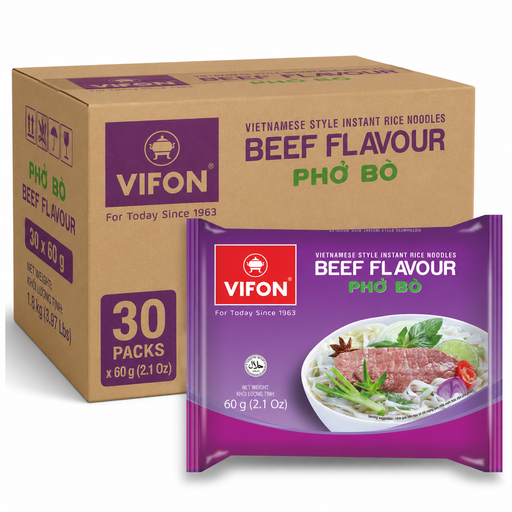
Why it's the right choice: This box of 30 portions is the ultimate budget-friendly solution for large families, flatmates, or even small food businesses. It ensures you always have a quick and popular meal base on hand.
Buying in bulk prevents impulse buys and stock shortages. Each packet is identical, guaranteeing consistent taste and quality with every preparation, which is crucial for frequent or semi-professional use.
Economical format: The 30-pack reduces the cost per serving. Easy storage: Individual portions have a long shelf life and are easy to distribute.
Explore our full selection of products that meet our selection criteria and current regulations.
The main difference is their shape. Ph? noodles (Bánh Ph?) are flat and wide, designed for soups. Bún vermicelli are round and thin, used mainly in salads, grilled meat dishes, and as a filling for rolls. Using one in place of the other alters not only the texture but also the authenticity of the dish.
The noodles themselves, if made only from rice and water, are gluten-free. However, you must be vigilant with instant products. The seasoning packet may contain gluten (via textured wheat) or soy sauces that contain wheat. Always remember to check the allergen list on the packaging.
To maintain their freshness and protect them from moisture, transfer the remaining noodles to an airtight container. Store it in a cool, dry place away from direct sunlight. They will keep for several months this way.