
Livraison le jour même ou le lendemain

Qualité garantie

Débloquez vos offres de bienvenue: Livraison GRATUITE | Jusqu'à -80 % | 30 jours d'essai gratuits à JoyPlus
Téléchargez l'application
Knowing who's at your door, whether you're on your couch or on the other side of the world, is now commonplace. The video doorbell has become an essential tool for keeping an eye on deliveries, greeting visitors remotely, and deterring unwanted guests. But be warned: the market is a jungle of options with often misleading promises.
Before you pull the trigger, here are the three common pitfalls to be aware of to prevent your investment from turning into a headache:
This guide is here to help you decode the technical jargon and make a choice that truly fits your needs.
To avoid buyer's remorse, focus on these decisive criteria that will make all the difference in your daily use of your future smart doorbell.
The power source is the first crucial choice you'll need to make.
This is often where the trap of hidden costs lies.
A good WiFi doorbell camera must allow you to see clearly who is at your door, day or night.
Every household has different needs. Here are a few options that cater to specific profiles, taking into account the criteria we've just discussed.
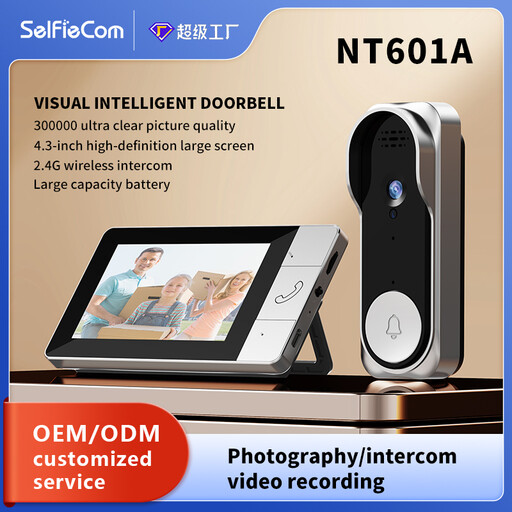
Who is it for? Perfect for those who want the equivalent of a digital peephole with a camera, without the hassle of a smartphone or Wi-Fi connection. The system is 100% standalone and works right out of the box.
This model completely bypasses the pitfalls of connectivity and subscriptions. It doesn't need Wi-Fi and operates with its own indoor monitor, eliminating any hidden fees or complex setup.
Standalone operation with an included screen. Captures photos and videos on a microSD card (not included) for every ring. Very long battery life.
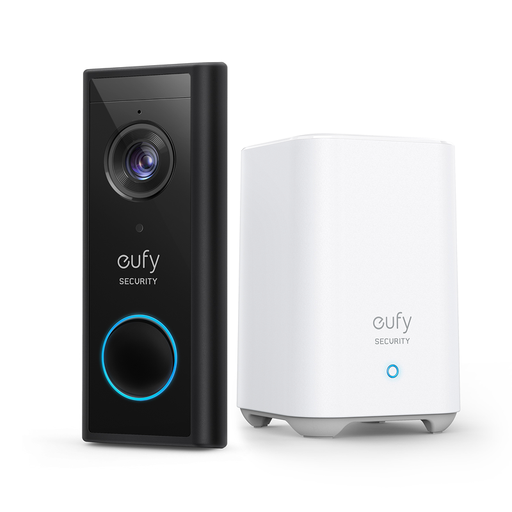
Who is it for? The perfect choice for those who demand high image quality and smart features but refuse to pay a subscription. This model integrates seamlessly into an existing smart home ecosystem.
This model directly addresses the subscription trap. All data is stored locally on the included base station, which means there are zero monthly fees to access your recordings.
2K resolution for sharp details. AI-powered human detection to reduce false alerts. 4:3 aspect ratio for a full head-to-toe view.
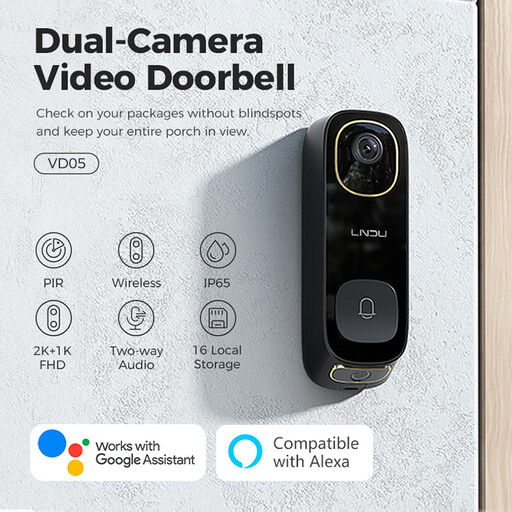
Who is it for? Designed for those who receive a lot of packages or demand total surveillance with no blind spots. Its dual camera films both the visitor and the ground in front of the door.
This model tackles the false alert pitfall with dual PIR (infrared) detection. It also offers both local and cloud storage options, giving you the choice so you don't get locked into a subscription.
Dual camera for complete coverage with no blind spots. Dual PIR detection for greater accuracy. Compatible with 8~24V AC power for continuous use.
We have selected a full range of products that meet our specifications and current standards.
1. Can a video doorbell work without a subscription?? Yes, and it's highly recommended. Look for a video doorbell without a subscription that offers local storage, either via a built-in microSD card or a base station (hub) that connects to your router. This allows you to save and review your videos with no monthly fees.
2. What is the real-world battery life of a wireless doorbell?? Battery life varies enormously depending on usage. The advertised "3 to 6 months" is often calculated based on a very low number of daily activations. On a busy street or if motion detection is frequent, you should realistically expect 1 to 3 months. To maximise battery life, adjust the detection sensitivity, define activity zones, and shorten the recording duration.
3. Is installing a video doorbell complicated?? It depends on the model. A battery-powered wireless model is very simple to install: just screw it to the wall and connect it to your Wi-Fi via an app. A wired model requires connecting it to your existing doorbell's wires. If you're not comfortable with electrical wiring, it's safer to call an electrician for a secure installation.