
Livraison le jour même ou le lendemain

Qualité garantie

Débloquez vos offres de bienvenue: Livraison GRATUITE | Jusqu'à -80 % | 30 jours d'essai gratuits à JoyPlus
Téléchargez l'application
Never miss a package again, see who's at the door even from your office, and secure your entryway: the promises of a video doorbell are certainly appealing. But the market is flooded with models featuring often misleading spec sheets. The result: a poor choice can quickly turn this practical gadget into a source of frustration and unexpected expenses.
Before you commit, here are the three most common pitfalls that can drive up the cost:
This guide is here to help you sidestep these traps and identify the criteria that truly matter to make the right choice in 2026.
To make an informed choice, forget the marketing jargon and focus on the features that make a real difference day-to-day. Here are the three points to check first.
A blurry image is useless. For a video intercom with a camera, resolution is the number one quality criterion.
This is THE crucial point for controlling your budget in the long run. The video storage method directly determines whether or not there will be monthly fees.
The choice between battery or wired power depends on your home and your preferences.
Instead of an endless list, we've selected models that meet specific needs, based on the key criteria defined above.
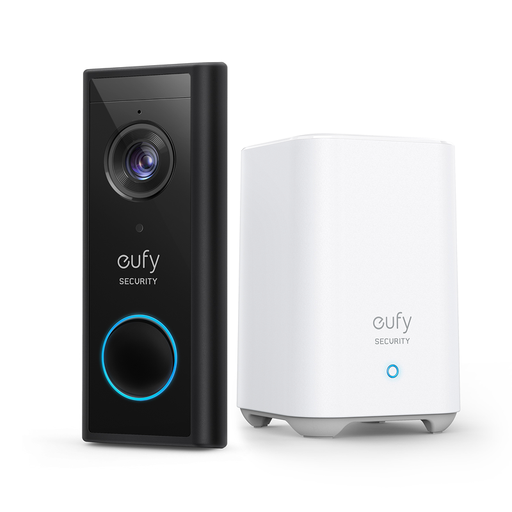
Why it's a match: This model checks all the right boxes to get you started. It packs the essentials (2K resolution, person detection) into a simple, self-contained format. It's the peace-of-mind choice for anyone looking for an effective solution without overcomplicating things with superfluous options or hidden fees.
It completely bypasses subscriptions thanks to its integrated local storage. Its 2K resolution ensures clear, usable images, avoiding the blurry video trap.
Unbeatable value for a 2K doorbell that is 100% subscription-free. Installation is a breeze and the battery can last up to 6 months.
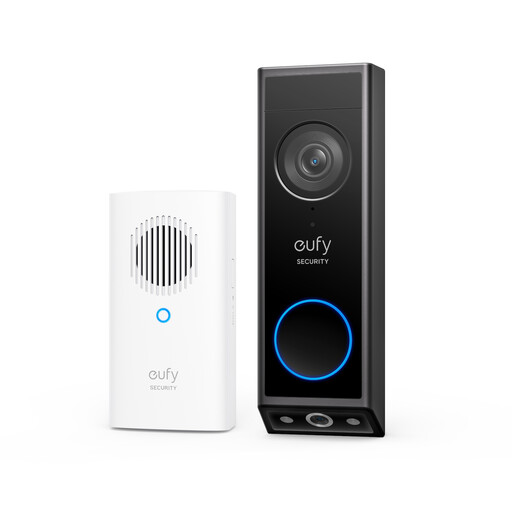
Why it's a match: The perfect choice for those who receive a lot of packages and want no blind spots. Its dual camera is a true innovation: the first films visitors, while the second monitors the doormat. It's the ultimate solution for demanding users seeking top-tier performance.
It fixes a major flaw in many doorbells: blind spots and package monitoring. The locally-processed AI detection drastically reduces false alerts, while expandable storage makes any subscription unnecessary.
The dual camera for a complete view and colour night vision. Its local storage, expandable up to 128 GB, offers unmatched flexibility.
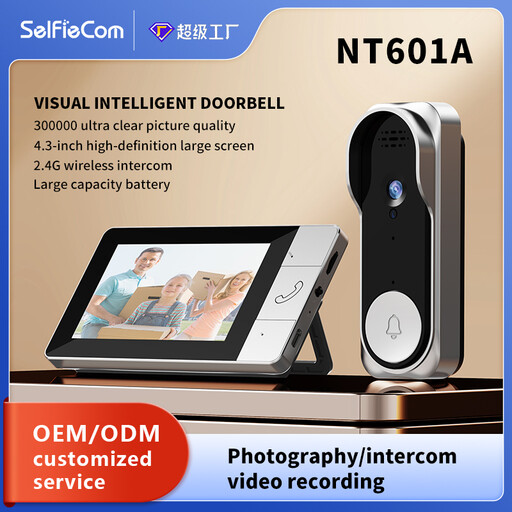
Why it's a match: This system is the ideal solution for those who prioritise simplicity above all else. It works without Wi-Fi and without a smartphone app: the doorbell communicates directly with a dedicated indoor monitor. Perfect for those who aren't tech-savvy or for homes in a signal dead zone.
It eliminates all the complexity of network configuration and apps. It's a closed, 100% self-contained system that works right out of the box. Zero hidden fees, zero reliance on an online service.
A completely standalone operation with its own 4.3-inch screen. No Wi-Fi, smartphone, or subscription required.
We have curated a full range of products that meet our selection criteria and current security standards.
No, the vast majority of wireless video doorphones are designed to be installed in minutes. Typically, you just need to mount the bracket to the wall with two or three screws, clip the doorbell on, and then configure it via the app. No electrical knowledge is required, making it a perfect option for renters.
The battery life advertised by manufacturers is often... optimistic. Under real-world conditions, realistically expect 3 to 6 months for standard use. Be aware that this duration can drop drastically if your doorbell is placed in a high-traffic area, as every motion detection and recording consumes power. For absolute peace of mind, a wired model remains the best option.
No, and this is a critical point. More and more brands are offering effective local storage solutions that unlock all key features without a subscription. Videos are then saved to a microSD card or a base station installed in your home. A paid subscription only becomes relevant if you need an online video history spanning several months or highly advanced AI features. For everyday security, it's far from essential.