
Livraison le jour même ou le lendemain

Qualité garantie

Débloquez vos offres de bienvenue: Livraison GRATUITE | Jusqu'à -80 % | 30 jours d'essai gratuits à JoyPlus
Téléchargez l'application
The arrival of a new baby is a magical time, which also brings a new priority: ensuring they sleep safely and soundly. Choosing a video baby monitor then becomes a crucial step. But faced with a jungle of models and marketing promises, it's easy to feel overwhelmed. As a product expert for Joybuy, my mission is to help you cut through the noise, avoid the common pitfalls, and make a truly informed decision.
Before you even start comparing spec sheets, it's vital to know the blind spots that too often turn a promising purchase into a real disappointment.
To make the right choice, forget the marketing hype and focus on these few objective technical features. This is where your peace of mind is truly at stake.
The debate rages on between Wi-Fi baby monitors and those that use a direct connection. Models like the Philips Avent video baby monitor have made their choice: they rely on FHSS (Frequency-Hopping Spread Spectrum) technology.
Manufacturers often advertise a maximum range in "open field" conditions. In reality, a long-range video baby monitor rated for 300 metres outdoors will only provide between 30 and 50 metres of actual range in your home, depending on wall thickness and interference. Make sure that's enough for your living space. As for battery life, the solution is models with an Eco or VOX mode: the screen and sound only activate when a noise is detected, which preserves the battery to last through the night.
Good night vision relies on infrared LEDs. A high-performance night vision baby monitor must provide a sharp, high-contrast black and white image that allows you to see clearly if your baby is sleeping peacefully, even in complete darkness. The size and resolution of the parent unit's screen also matter: a screen of at least 2.8 inches (about 7 cm) offers a comfortable viewing experience.
Because every family is unique, here is our selection of models that each meet a specific need.
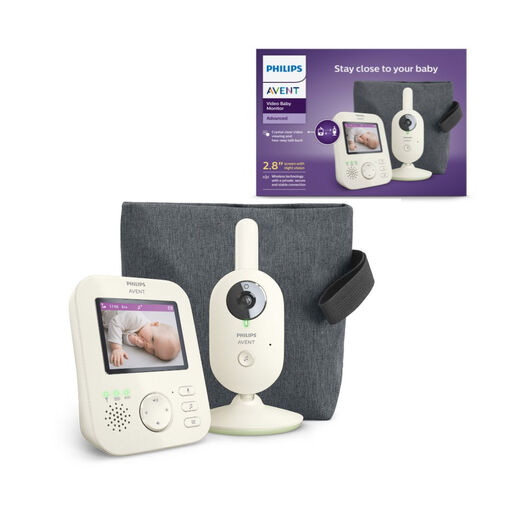
Why it's a perfect match: Ideal for parents who want simplicity, reliability, and maximum security without any complex setup. It's the ultimate choice for peace of mind.
Its FHSS technology establishes a private, unhackable connection without using Wi-Fi. Its Eco mode ensures a real-world battery life of up to 12 hours, and its infrared night vision is renowned for its clarity.
Private and secure "plug and play" connection. Flawless audio and video quality, with practical features like lullabies and two-way talk.
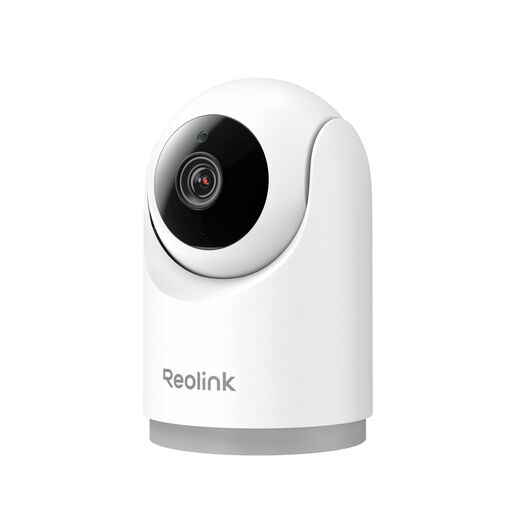
Why it's a perfect match: Perfect for those who want to keep an eye on their baby from their smartphone, whether at the office or on the go, and who appreciate advanced features like a motorised camera.
Although it connects via Wi-Fi, good security practices (like a strong password) are essential. Since the camera is mains-powered, it completely eliminates any battery life issues.
Ultimate flexibility with remote access and 360° vision (Pan/Tilt). Smart person and cry detection for truly relevant alerts.
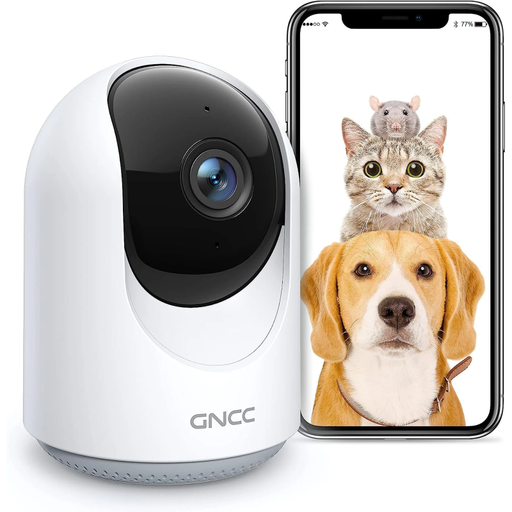
Why it's a perfect match: A smart option for parents looking for the essentials (HD video, night vision, two-way audio) without the premium price tag.
Like any Wi-Fi camera, it requires good security practices (a strong password). Its mains power supply ensures continuous operation without the risk of a dead battery.
Excellent value for money for secondary monitoring. Its motorised 360° view allows you to scan the entire room with a single camera.
We have compiled a complete and up-to-date selection of products that meet our strict selection criteria and current security standards.
Yes, without a shadow of a doubt. A baby monitor with camera that uses a direct connection (like FHSS) is not connected to the internet. It creates a private, closed network between the two units, which makes the risk of remote hacking almost non-existent. This is a deciding factor for many parents, and one of the key strengths often cited in reviews for Philips baby monitors.
The advertised range (often 300 m) is always measured in an open field, without any obstacles. In a house or flat, walls, floors, and other signals (Wi-Fi, microwaves, etc.) significantly reduce the signal. Realistically, you can expect a useful range of 30 to 50 metres. Before buying, carefully estimate the distance between your baby's room and the places where you'll be using the parent unit (living room, kitchen, patio, etc.).
It's a "nice-to-have" feature—appreciated, but not essential. Some babies are indeed soothed by melodies or white noise, which can save you a trip back to their room to get them back to sleep. For others, it will have no effect. Consider it a pleasant bonus, but certainly not a decisive purchasing criterion.