
Livraison le jour même ou le lendemain

Qualité garantie

Débloquez vos offres de bienvenue: Livraison GRATUITE | Jusqu'à -80 % | 30 jours d'essai gratuits à JoyPlus
Téléchargez l'application
When a vet diagnoses our dog with a medical condition, diet becomes a cornerstone of the treatment. However, navigating the maze of veterinary dog food can quickly become a daunting task. As a Product Recommendation Manager at Joybuy, my role is to bring you clarity and give you the keys to making an informed choice, far from the marketing hype.
The vet's diagnosis is in, and now you're searching for the right food. Be careful not to fall into common traps that could harm your pet's health or your wallet.
To choose wisely, you need to read beyond the packaging. Here are the technical points to monitor closely, always in consultation with your vet.
This is the cornerstone of a targeted diet, especially for food sensitivities.
These are essential therapeutic levers for many health conditions.
Veterinary foods, like those in the Vet Life dog range, do more than just provide nutrition. They integrate nutrients at therapeutic levels to target a specific condition. This can include enhanced levels of omega-3 fatty acids for inflammation, L-carnitine to help metabolise fat in cases of excess weight, or substances to control urinary pH and prevent the formation of stones.
Every dog is unique, and their diet should be too. Here is a selection of products that meet the criteria we've just discussed, for very specific needs.
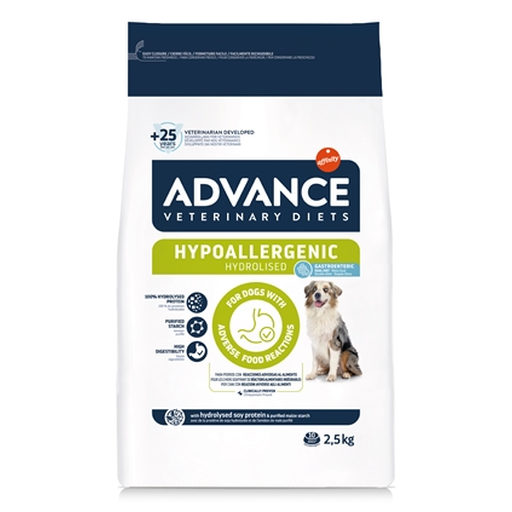
Why it's a great choice: This formula is designed for dogs with allergies or intolerances. It uses a hydrolysed protein source (soy) and purified carbohydrates to minimise the risk of an allergic reaction.
Rather than a simple marketing claim ('sensitive', 'grain-free'), this formula is built on a solid scientific foundation: protein hydrolysis, which guarantees maximum tolerance.
Its formula, based on hydrolysed proteins and purified carbohydrates, makes it an excellent choice for elimination diets, always under veterinary supervision.
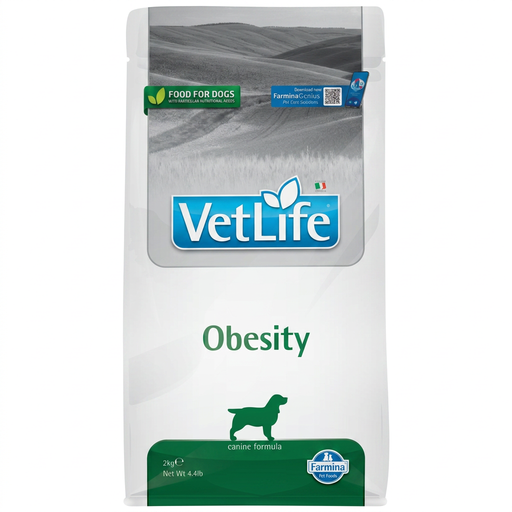
Why it's a great choice: This is a complete dietetic food formulated for weight reduction. Its low energy density and high fibre content help achieve the weight target set by your vet.
This isn't just a 'light' product, but a true therapeutic food. Its composition is designed for effective weight loss that preserves muscle mass.
High in fibre to curb hunger and low in calories for healthy, controlled weight loss.
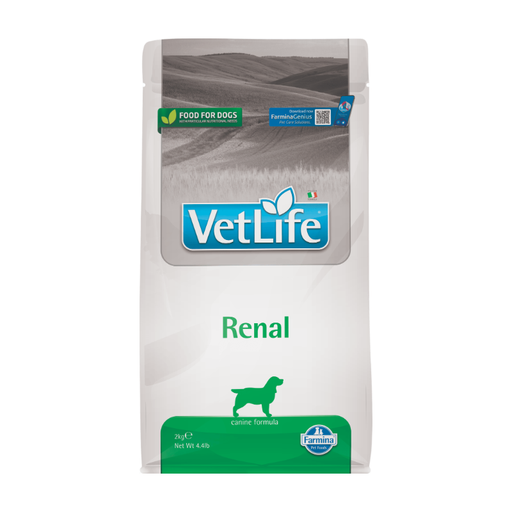
Why it's a great choice: Designed to support kidney function in cases of chronic or temporary renal insufficiency, this food helps slow the progression of the disease and improve the dog's quality of life.
Unlike a standard 'senior' food, this formula precisely adjusts phosphorus and protein levels—the two key levers for managing renal insufficiency.
Low levels of phosphorus and protein to reduce the load on the kidneys and better manage the symptoms of the disease.
Discover our full selection of products that meet these quality criteria and current safety standards.
In many regions, online sales of dietetic foods do not strictly require a prescription. However, it is crucial to remember that these are therapeutic products. Their use must always follow a diagnosis and recommendation from your veterinarian. Never feed a medicated dog food without veterinary advice.
A smooth transition is key to avoiding digestive upset. Over a period of 7 to 10 days, mix the old and new food, gradually increasing the proportion of the new one:
A 'light' or 'reduced-calorie' food is intended for dogs that are not very active or have a slight tendency to gain weight. It contains about 15% fewer calories than a standard formula. A therapeutic obesity food, such as obesity dog kibble, is a much stricter diet with a drastic calorie reduction and a specific composition (high in fibre and protein) to initiate significant weight loss, always under veterinary supervision.