
Livraison le jour même ou le lendemain

Qualité garantie

Débloquez vos offres de bienvenue: Livraison GRATUITE | Jusqu'à -80 % | 30 jours d'essai gratuits à JoyPlus
Téléchargez l'application
Between small jobs around the house, car maintenance, cleaning grout and facial care, some accessories seem capable of doing it all. Yet a poorly suited tool can scratch a surface, tire your hand or become unusable after just a few uses. That’s why this selection of versatile cleaning and DIY tools is based on very concrete criteria: materials, dimensions, ergonomics and real-world use.
A tool described as “multi-function” isn’t necessarily suitable for every surface. A blade designed for plaster has no place on a car body, while a barbecue brush isn’t automatically right for fabrics or delicate materials. Versatility should be built on several coherent uses, not an endless list of features.
A wooden handle, a steel blade or metal fibres all require different care. Without drying after use, corrosion, warping and unpleasant odours can quickly set in. For a multi-function cleaning tool, check that the head rinses easily and that the various components can be stored in a dry place.
A grout scraper that’s too short can become awkward to use in a shower. Conversely, a handle that’s too long can sometimes reduce precision. For a squeegee intended for car wing mirrors, the telescopic length must allow you to reach both sides of the vehicle without hindering your movements.
For wall work, a 420 stainless steel blade offers good corrosion resistance for everyday use, provided it’s cleaned and dried after each use. A flexible blade makes applying filler easier, while a stiffer model is better suited for scraping.
For cleaning grout, choose a tip that’s fine enough to remove old silicone, along with a scraper designed to minimise the risk of marking tiles, glass or ceramic. Always test on an inconspicuous area before tackling the entire surface.
A handle with a soft grip or a wooden handle can make long sessions noticeably more comfortable. Weight also plays a role: a manual tool that’s too heavy accelerates fatigue, while a very lightweight model may lack stability and precision.
Folding tools must have a reliable locking mechanism. Before each use, check for any play, cracks or warping. This precaution is particularly important with a wall repair tool, a filling knife or a multi-function spatula.
Rinse brushes after use, then leave them to air dry. With a barbecue brush, always inspect the bristles before cooking: a loose fibre could end up in your food. When handling blades, wear suitable gloves and always keep the cutting edge away from your body.
Facial care accessories, such as a cleansing spatula or blackhead extractor, should not be used on irritated or broken skin. Clean the tool after each use and stop immediately if you feel any discomfort. These accessories are in no way a substitute for medical advice.
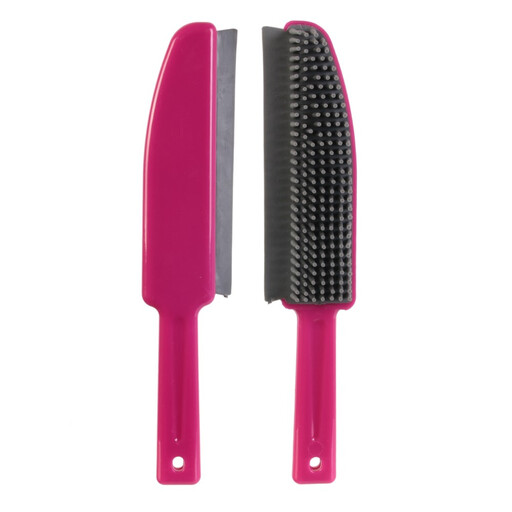
Why this choice suits this profile: This manual brush is ideal for a first purchase. It allows you to clean corners, window tracks, grout, fabrics and the inside of your car.
Its soft bristles and integrated squeegee mean you don’t need to buy two separate accessories for narrow areas and wet residue.
Non-abrasive bristles, an integrated squeegee and easy cleaning with warm water and mild soap.
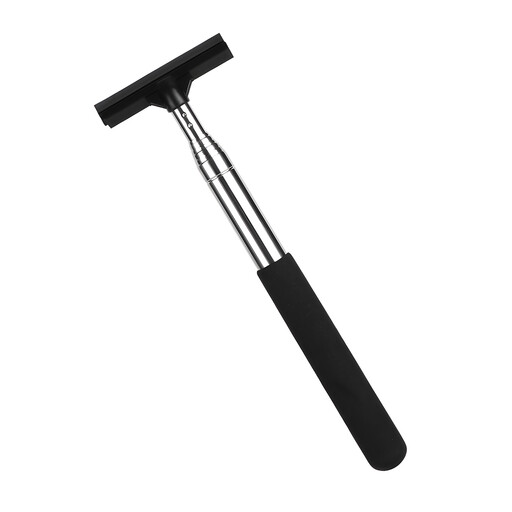
Why this choice suits this profile: Its extendable handle is aimed at drivers who want a dedicated, practical accessory to keep in their car for rainy or foggy weather.
Its adjustable length of up to 98 cm eliminates awkward movements around wing mirrors, and its compact design makes storage easy.
A natural rubber blade, stainless steel construction, dimensions of 22 × 6.5 cm and a stated weight of 0.13 kg.
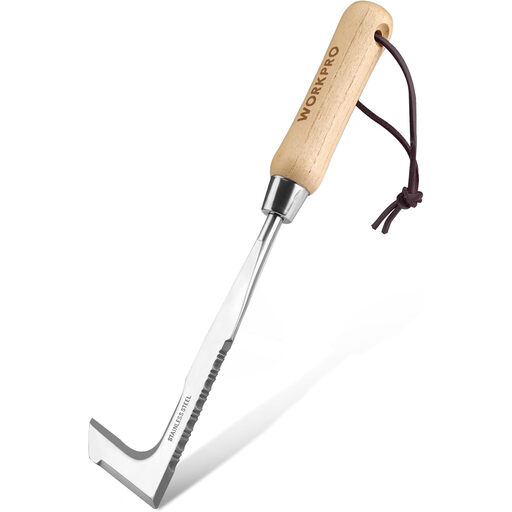
Why this choice suits this profile: Owners of patios, pathways or gardens can use it to pull out weeds, remove moss and clean grout.
Its 7-shaped head targets plants in crevices, while the serrated edge allows you to cut certain vines and cords.
Stainless steel, a 31.5 cm wooden handle, a hanging hole, a leather strap and a protective sheath.
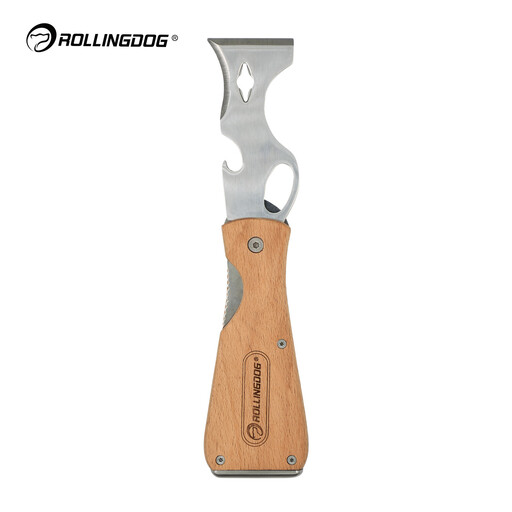
Why this choice suits this profile: Compact, this tool is aimed at those who regularly carry out touch-ups, filling or small maintenance jobs around the house.
Its functions are clearly identified: scraper, filling knife, nail puller, tin opener and hammer end. However, it won’t replace a specialist tool for heavy-duty work.
A 420 steel blade, a beechwood handle, a folding design, a belt clip and a lock that needs checking before each use.
We’ve put together a comprehensive, real-time updated list of products that meet these demanding selection criteria as well as European safety standards.
A grout scraper with a double tip is suitable for removing old silicone. The tip lifts the material, then the flat part removes the residue. The Henkel Rubson Enlève Joints model is designed for sanitary grout, window frames and surfaces such as tiles, glass or porcelain. Still, test on a small area before treating the entire surface.
Rinse brushes, remove any residue from blades and dry metal parts immediately. Store accessories in a dry place and, if it’s a barbecue brush, away from food products. Regularly inspect fibres, handles and folding mechanisms so you can replace a damaged tool before it becomes dangerous.
It can reduce the number of accessories you need to store for light, occasional tasks. For frequent use, however, compare the function you actually use, the quality of the materials and how easy it is to replace. A specialist tool, such as a 160 mm filling knife or a dedicated barbecue brush, will often prove more practical if the same task comes up regularly.