
Livraison le jour même ou le lendemain

Qualité garantie

Débloquez vos offres de bienvenue: Livraison GRATUITE | Jusqu'à -80 % | 30 jours d'essai gratuits à JoyPlus
Téléchargez l'application
A versatile cleaning brush can be used to maintain your home, car, tile grout, barbecue or even certain DIY equipment. But the "multi-purpose" label doesn't mean one model suits every surface. A brush designed for wheel rims can be too abrasive for a dashboard, while a tile-grout brush has no place at the bottom of a bottle.
Before placing your order, focus on three things: the stiffness of the bristles, the size of the head, and compatibility with the surface you need to clean.
The term "versatile" often refers to the range of uses advertised, not unlimited compatibility. A barbecue brush made of stainless steel wire is designed to remove baked-on residue from a grill. It is not suitable for car bodywork, glass, or painted surfaces.
For delicate areas — car air vents, screens or shiny plastics — choose soft bristles and make sure they are perfectly clean before you start. A single grain of sand trapped in the bristles can leave scratches.
A short handle gives you better control in a sink or around a grout line. Conversely, a car cleaning brush with a long handle lets you reach inside a wheel rim without contorting yourself. For a barbecue that is still hot, a long handle keeps your hands away from the heat, though it does not replace standard safety precautions.
The shape of the head also deserves your attention: a narrow tip slides into grooves, a wide head covers a large area quickly, and an angled brush reaches awkward corners more easily.
Bristles that are not rinsed properly will eventually lose their flexibility or trap residue that gets transferred to the next surface. After each use, rinse the brush following the manufacturer's recommendations, squeeze it dry if necessary, and leave it to dry completely. Models used with solvents, degreasers or wood treatment products must be cleaned in line with the product instructions.
For a bottle brush, the bristles or flaps must reach the bottom and sides without you having to force them. A silicone model, such as the Nuby brush, can be suitable for bottles, cups, spouts and dishes, depending on the product's instructions. Nevertheless, check the usage recommendations and the condition of the brush before each use.
A head of 70 or 100 mm is suitable for painting work on woodwork, doors, furniture or fences. A width of 40 × 140 mm or 50 × 150 mm distributes the bristles differently and is better suited to applying wood stain or waterproofing treatment on absorbent surfaces.
For a paint brush or wood stain brush, choose a solid ferrule, well-secured bristles and a width suited to the area you need to cover. A threaded handle compatible with an extension pole can be very practical for decking, fences and garden screens.
A non-slip handle makes it easier to grip during wet cleaning. A stainless steel ferrule resists corrosion better than an unprotected assembly, but it still needs to be dried after washing. Also remember to regularly check that the bristles are secure, that there is no distortion, and that the handle is in good overall condition.
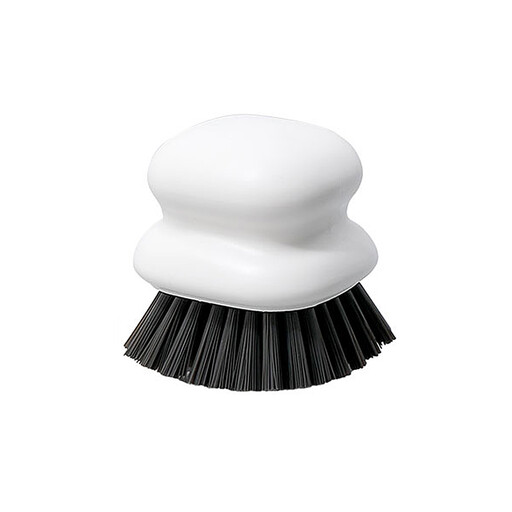
Why this choice suits this profile: Its short handle works well in the kitchen and on small surfaces, with no special setup required.
Its size stops you from picking a brush that is too bulky for pots, dishes and tight cleaning areas.
A compact format, a short grip and a design intended for everyday household cleaning.
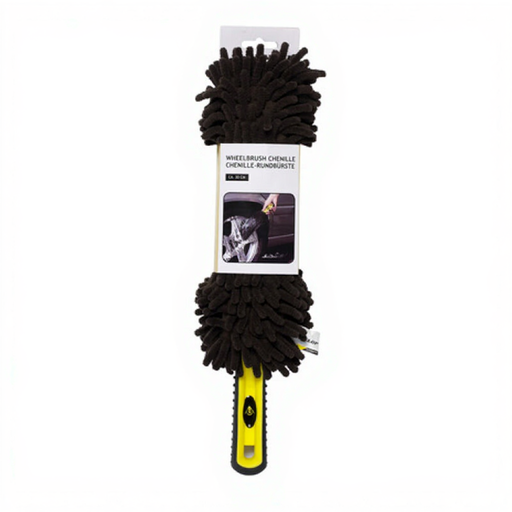
Why this choice suits this profile: Demanding motorists benefit from a long chenille and microfibre brush for cleaning wheel rims and arches.
Its soft bristles and 33 cm length stop you from using a brush that is too stiff or too short on wheel rims.
A handle with a non-slip zone and easier access to the inner parts of the wheels.
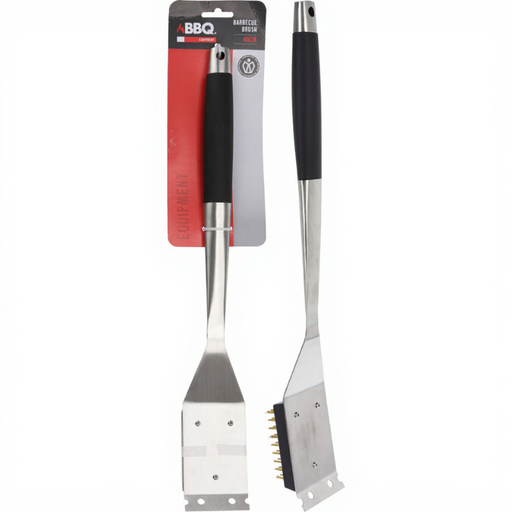
Why this choice suits this profile: At 46 cm long and made of stainless steel, this brush is designed for regular barbecue grill cleaning.
It does not pass off a small household brush as a tool for cooked-on deposits — its design is clearly intended for grills.
A triangular head, a long PP handle and a grip designed to keep your hands away from the heat.

Why this choice suits this profile: This wood stain brush is designed for decking, fences and other absorbent surfaces. Its handle can take an extension pole.
Its stated compatibility with wood stains and waterproofing products reduces the risk of choosing a brush intended for a different coating.
Bristlex synthetic bristles, a stainless steel ferrule and a threaded beechwood handle compatible with an extension pole.
We have put together a comprehensive, real-time updated selection of products that meet these selection criteria as well as European safety regulations.
A tile grout brush with durable nylon bristles and a narrow head makes it easier to clean grout lines, corners and tracks. Avoid metal models on surfaces that could be scratched, and wear gloves if you are using a strong cleaner.
Yes, some soft models can be used both inside a car and on blinds, keyboards or furniture. However, it is best to keep separate brushes that have been used with degreasers, mud or sanitary products. This will stop you transferring dirt and residue from one surface to another.
Rinse it after each use, remove any particles trapped between the bristles and leave it to air dry. Avoid storing it resting on its head, and regularly check the handle, ferrule and bristle fixing. A brush that is warped or damaged should be replaced so that it does not damage the surface being cleaned.