
Livraison le jour même ou le lendemain

Qualité garantie

Débloquez vos offres de bienvenue: Livraison GRATUITE | Jusqu'à -80 % | 30 jours d'essai gratuits à JoyPlus
Téléchargez l'application
Buying wine glasses seems simple… until you start comparing capacity, bowl shape, material and the number of glasses in a set. Between models described as “durable”, crystal glasses that can sometimes be delicate to care for, and sets whose actual capacity isn’t right for the way you want to serve wine, a few details can quickly turn a good deal into an impractical purchase.
Here are the things to consider before choosing stemmed glasses, champagne flutes for a celebration or a versatile set for your home.
A 625 ml glass isn’t meant to be filled to the brim. Its large capacity may suit anyone who wants to use the same glass for white wine, water, juice or drinks with ice. For a more measured serving of wine, a capacity of 175 to 375 ml is often more practical for everyday use.
The term can cover a wide range of materials and finishes. Check the material listed on the product page: some models are made from clear lead-free crystalline glass, while others use borosilicate glass. These materials serve different needs. Crystalline glass generally offers clarity and elegance, while borosilicate is valued for its resistance to temperature changes.
A very tall, narrow glass may look elegant, but it takes up more cupboard space and needs extra care when being washed. By contrast, a short stem and a wide base offer better stability for brunch, a meal on the patio or a gathering where glasses are often passed around.
The dishwasher-safe label makes life easier, but it doesn’t mean the glass is unbreakable. It’s always best to avoid knocks, abrasive products and sudden changes in temperature.
For white wine, rosé or lighter cocktails, a bowl holding 25 to 37 cl offers welcome versatility. Smaller glasses, at around 17.5 cl, are better suited to measured servings at a wedding, buffet or reception.
Champagne flutes are generally tall and slender. The models featured below have capacities of 19 to 26 cl. A narrow opening can be ideal for serving sparkling wine, but remember to check whether the glasses will fit in your dishwasher and cupboards.
A set of two is enough for a couple and also makes a simple gift. A set of six stemmed glasses is better suited to a family, dinner with guests or professional use in the hospitality industry. For parties, also consider your available storage space and how many glasses you’ll need for each drink: wine, champagne, cocktails, whisky or shots.
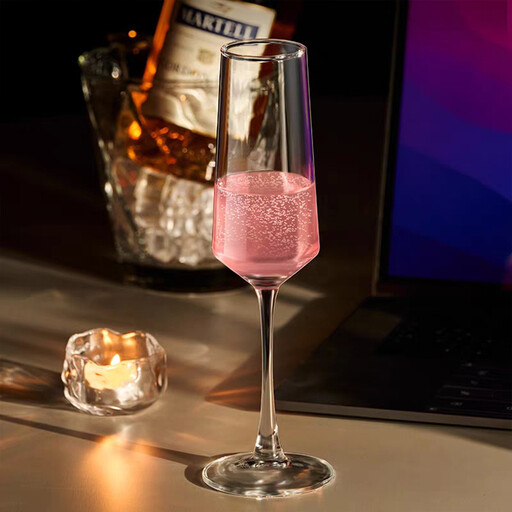
Why this is a good fit: This pair is ideal as a first set, for a couple or for occasional use at a celebration, wedding or dinner for two.
At 175 ml, it helps keep servings measured and avoids the mistake of choosing a large glass that isn’t well suited to serving wine in moderation.
A 2-piece set of clear glass wine glasses, in a size suited to everyday meals and small occasions.
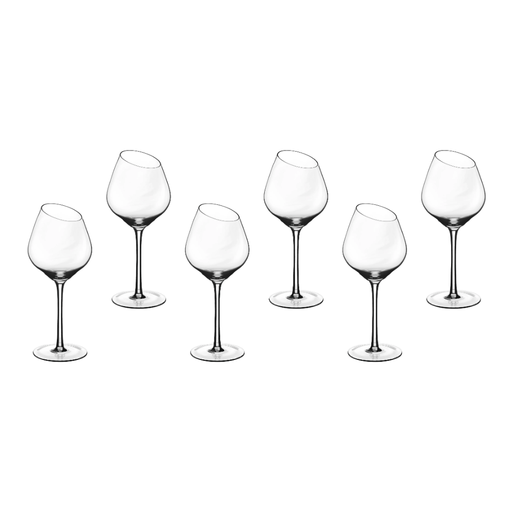
Why this is a good fit: This set of six stemmed glasses makes a natural addition to an elegant table, whether you’re hosting a dinner or using them regularly in a guest house.
The product is made from clear lead-free crystalline glass, and the product page states that it’s dishwasher-safe.
A 37 cl capacity, a height of 26 cm and six matching glasses for wine, water or some cocktails.
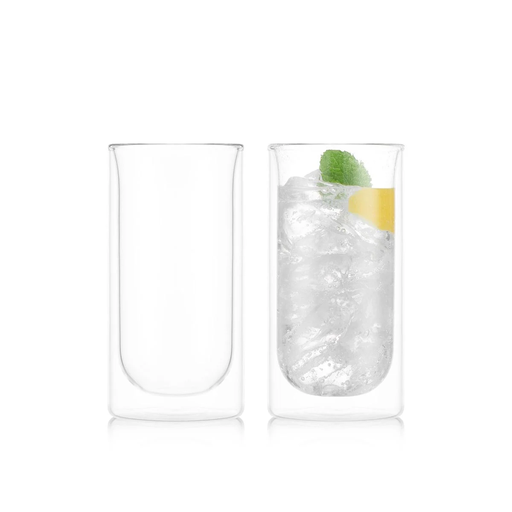
Why this is a good fit: These double-wall glasses are ideal for cocktails, gin and tonics, iced coffee and cold drinks, whether you’re at home or hosting a gathering.
The borosilicate glass and double-wall design help reduce condensation on the outside, but sudden changes in temperature should still be avoided.
A 280 ml capacity, double walls, borosilicate glass and the option of dishwasher cleaning, according to the product page.
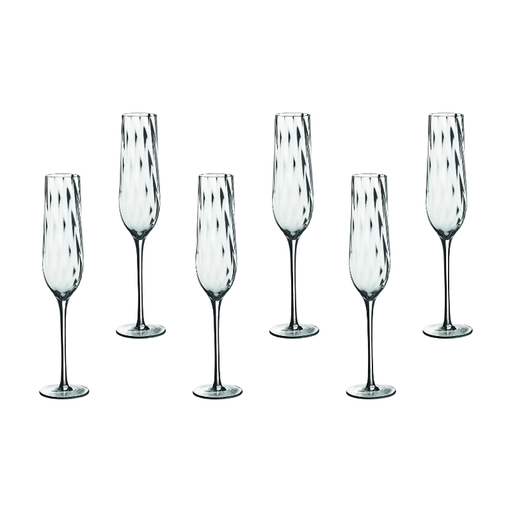
Why this is a good fit: This matching set is made for toasts, family celebrations, weddings and large gatherings where you need several champagne flutes.
The product page lists the 26 cl capacity, 29 cm height and dishwasher compatibility: all useful details to check before you buy.
Six lead-free crystalline glass flutes, designed for champagne, sparkling wines and some celebratory cocktails.
We’ve put together a complete, real-time updated list of products that meet these strict selection criteria and European safety regulations.
Rinse your glasses after use if you can’t wash them straight away. Use a soft sponge and avoid metal scouring pads. In the dishwasher, space the glasses out so they don’t touch, and follow the manufacturer’s recommendations. For crystal or crystalline glass, hand washing can help preserve clarity and shine over time.
Don’t stack stemmed glasses unless they’re designed to be stacked. Before each use, check for cracks or chips. Any damaged glass should be discarded.
For versatile use, a capacity of 25 to 37 cl works well for wine, water and some cocktails. A 17.5 to 22 cl size may be better for measured servings or a reception.
No. Whether a glass is dishwasher-safe depends on the information on the product page. Even if it’s confirmed as dishwasher-safe, load the glasses carefully, avoid knocks and choose a suitable programme. For delicate or decorative pieces, hand washing is the safest option.
Wine glasses generally have a wider bowl and come in a range of capacities. Champagne flutes are taller and narrower, with a shape designed for serving sparkling wines. The right choice depends on the drink, the storage space available and the type of occasion.