Fans of pure verbena
If you don’t want any other herbs or added flavourings, start with the ingredients list. The Carrefour France product pages for Carrefour Classic' and Les 2 Marmottes both state ‘100% verbena’.


Start by choosing the recipe: if the ingredients list contains only verbena, you’re looking for a single-herb infusion, while mint or citrus makes for a different blend. For premium shopping, then compare the proportion of verbena, any flavourings, the format and the organic label if that matters to you. Claims about digestion or relaxation are no substitute for checking the label.
If you don’t want any other herbs or added flavourings, start with the ingredients list. The Carrefour France product pages for Carrefour Classic' and Les 2 Marmottes both state ‘100% verbena’.
The Éléphant recipe listed by Carrefour France contains more mint than verbena, while Clipper combines lemon verbena with citrus and natural grapefruit flavouring. Check the ingredients rather than relying on the word ‘verbena’ alone.
If organic certification is your priority, check for the organic label on the packaging, then look at the ingredients separately. Agence BIO explains that organic production and labelling are governed by European Regulation (EU) 2018/848; organic certification alone doesn’t tell you the taste or how many herbs are in the blend.
To choose between pure verbena and blends when shopping for premium products, first decide what recipe you want to drink. Then check the other ingredients and organic labelling according to your priorities.
| Criterion | What to check | Who is it for? |
|---|---|---|
| Pure verbena | The ingredients list and the ‘100% verbena’ claim if you’re looking for a single-herb recipe. | If I want only verbena in my cup, a blend with other herbs isn’t what I’m after. Around 42% of consumers would make a single-herb recipe their priority. |
| Blend profile | The proportion of verbena, any other herbs or fruit, and whether flavourings are included. | If I want a minty note or citrus flavours, I’d rather choose those ingredients deliberately than discover them after buying. Around 33% of consumers would prioritise the flavour profile. |
| Organic label | The organic label on the packaging, then the full ingredients list: organic doesn’t mean single-herb. | If the production method matters most to me, I want to be able to spot the organic label without assuming the recipe is pure or locally sourced. Around 25% of consumers would put this criterion first. |
The products listed by Carrefour France range from ‘100% verbena’ to an Éléphant recipe containing 53% mint and 47% verbena.
Compare the ingredients list and stated proportions before choosing between a single herb and a blend.
Organic standards cover production and labelling, not local origin or the absence of other herbs or flavourings.
Check the organic label, ingredients and any origin information on the packaging separately.
Anses warns that high, repeated consumption of liquorice can lead to health issues, including hypokalaemia and high blood pressure. The Carrefour France product page for Infuz verbena and liquorice tea states that it contains 15% liquorice.
Check whether it’s listed in the ingredients, particularly if you plan to drink this tea regularly. Ask a medical professional for advice if you have concerns related to your circumstances or medication.
DGCCRF explains that health claims on food are regulated. A claim of this kind isn’t enough on its own to assess a herbal tea.
Base your choice on the stated recipe, format and taste preferences, without expecting a therapeutic effect.
These products illustrate different recipes; their features don’t apply to every herbal tea from each brand.
A teabag option for comparing herbal teas made with verbena alone.
The pure verbena product listed by Carrefour France gives you another teabag format to compare.
An organic option combining lemon verbena and citrus.
An organic verbena and mint blend in Pyramid® teabags, for anyone specifically looking for this combination.
A box of 100 verbena teabags for anyone looking for this format.
These products let you compare verbena teabags, several blends containing verbena and, if you have a compatible machine, a capsule format. The brand name alone won’t tell you whether a recipe is pure or blended.
 Image unavailable
Worth considering if you’re looking for a mint blend rather than pure verbena. The Éléphant recipe listed by Carrefour France contains 53% mint and 47% verbena; check the brewing instructions on the packaging you receive.
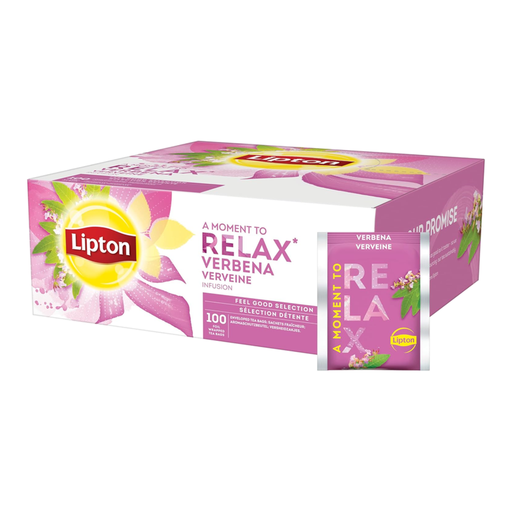 Image unavailable
A format to consider if you prefer verbena with no other herbs listed. The description of this box on Joybuy lists verbena as an ingredient and states that it contains 100 teabags. Check the packaging to compare its net weight with other boxes.
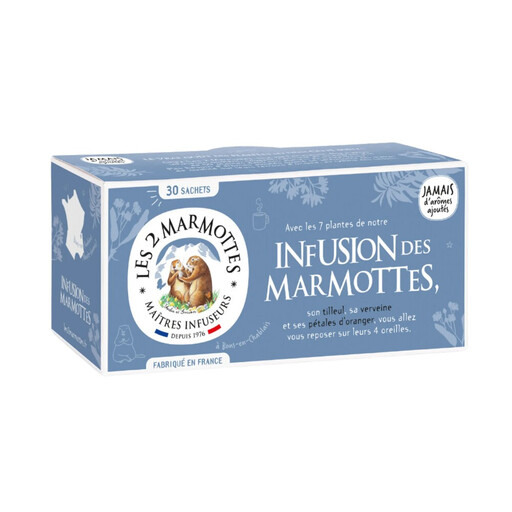 Image unavailable
Worth comparing if you’re looking for an herbal blend containing verbena rather than a single-herb tea. The listed format contains 30 teabags; check the list of herbs and their proportions for this product, which is different from Les 2 Marmottes pure verbena tea.
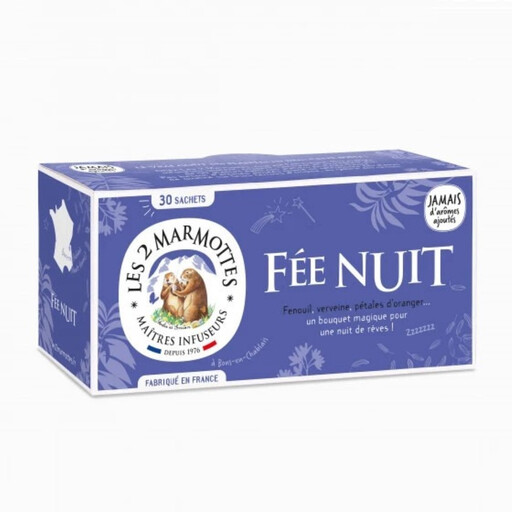 Image unavailable
Worth considering if you’re comparing herbal blends with pure verbena. The name indicates a 50 g format; check how much verbena and fennel are in the ingredients, and don’t infer an effect from the tea’s name.
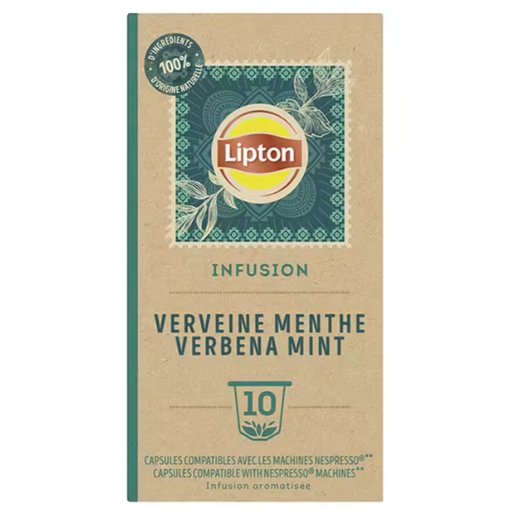 Image unavailable
This format is for anyone who wants to make a verbena and mint blend using capsules. The box contains 10 capsules; Nespresso Original compatibility is stated for this product, but check your exact machine model before buying.
Read the ingredients list and look for a recipe containing only verbena. The Carrefour France product pages for Carrefour Classic' and Les 2 Marmottes state ‘100% verbena’. For a pre-packed blend sold in France, the order of the ingredients can also help you see which herb is present in the greatest quantity.
No. Organic certification doesn’t guarantee a single-herb recipe, no added flavouring or French origin. Agence BIO explains that the term falls under European production and labelling rules; check the ingredients and origin separately wherever they’re stated.
First check whether liquorice is included and how much, especially if you’re planning to drink the tea regularly. Anses warns of the risks associated with high, repeated liquorice consumption, including hypokalaemia and high blood pressure. Seek medical advice if your personal circumstances or medication make it appropriate.
No, a claim like this doesn’t guarantee that you’ll experience an effect. DGCCRF explains that health claims on food are strictly regulated. Choose your herbal tea based on its ingredients and don’t use it as a substitute for medical care.
No, not necessarily. DGCCRF lists herbal and fruit infusions among the foods that may be exempt from mandatory nutrition labelling. To compare two recipes, always check their ingredients and any quantities stated on the packaging.