Teams looking for a recipe that’s easy to check
When serving several residents, an infusion made with verbena alone keeps the list of ingredients to check short. This does not remove the need to consult each person’s individual guidance.


For an evening meal in a care home, start by checking the guidance on caffeine. If caffeine must be avoided, look for an explicit ‘caffeine-free’ statement on the packaging and check the ingredients list. An infusion made with verbena alone makes it easier to check the recipe. A blend may suit other taste preferences, but its ingredients need closer scrutiny. In every case, the drink must meet the individual’s guidance on fluid intake and swallowing difficulties.
When serving several residents, an infusion made with verbena alone keeps the list of ingredients to check short. This does not remove the need to consult each person’s individual guidance.
If you need to be able to confirm that a product contains no caffeine, the word ‘infusion’ on its own is not enough. Carrefour’s product information for Clipper verbena and citrus tea says it is ‘naturally caffeine-free’. Check the packaging of the product you buy.
Plain verbena, a citrus blend and verbena-mint tea have different ingredients and flavours. The French National Authority for Health notes that loss of taste or interest in drinking are among the factors to consider in care homes. Ask the resident what they prefer whenever possible.
For an infusion served in the evening in a care home, first check the guidance on caffeine, then consider the ingredients and the resident’s preferences. Preparation and serving must follow the individual’s guidance.
| Criteria | What to check | Consumers concerned |
|---|---|---|
| Caffeine-free statement | Read the statement on the packaging you receive and check the ingredients list. | If caffeine needs to be avoided, I want to be able to check this on the product being served. Around 42% of consumers would make this their top priority. |
| Simple ingredients | Compare the ingredients lists and check the choice with the team if there is individual guidance to follow. | When preparing a drink for several residents, I prefer a recipe where every ingredient is easy to identify. This simplicity would be the top priority for around 33% of consumers. |
| Taste and willingness to drink | Consider the resident’s preferences and any guidance on texture, volume and temperature. | If the resident does not enjoy plain verbena, I want to consider other flavours without overlooking their serving instructions. Around 25% of consumers would put taste and acceptability first. |
A ‘100% verbena’ ingredients list and an explicit ‘caffeine-free’ statement are not the same thing. Carrefour describes the Clipper verbena and citrus recipe as ‘naturally caffeine-free’.
If caffeine must be avoided, check the statement on the packaging actually being used, including when switching to a different product or recipe.
Additional ingredients vary from one recipe to another. Carrefour’s product information describes Clipper as a citrus blend, while Pagès says its verbena-mint tea contains 60% organic verbena and 40% organic mint.
Read the full ingredients list and compare it with the resident’s preferences and guidance before replacing plain verbena with a blend.
Anses notes that older people may feel less thirsty and recommends drinking throughout the day.
Include the infusion among the drinks offered, in line with each resident’s monitoring and individual fluid guidance. It should not be the only response to difficulty drinking.
The French National Authority for Health lists difficulty drinking or swallowing among the factors to consider in care homes.
Before serving, check with the team for individual guidance on texture, temperature, volume and assistance.
A plain verbena tea bag option to consider when keeping the ingredients simple is the priority.
The range includes organic verbena tea bags, as well as other recipes combining verbena with herbs.
The brand offers pure French organic verbena, as well as a separate mint recipe.
A verbena and citrus recipe to consider if an explicit statement about caffeine and a fruity flavour suit the resident’s needs.
These products suit different evening routines: verbena tea bags, a cold-brew option or a bedtime blend. Before choosing one for a resident, compare the ingredients and statements on the packaging with the care home’s guidance.
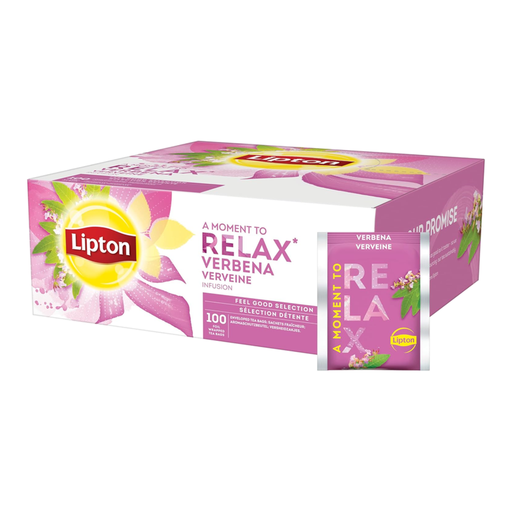 Image unavailable
If you’re looking for a verbena recipe that’s easy to check before serving, compare the ingredients in this gift set with the residents’ guidance.
The name indicates a pack of 100 tea bags. If caffeine must be avoided, check that there is an explicit statement on the packaging you receive.
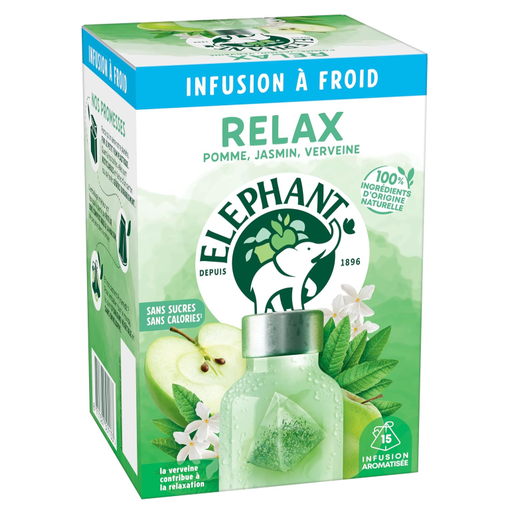 Image unavailable
This cold-brew option is only suitable for an evening meal if its serving temperature is appropriate for the resident and the care home’s protocol.
The name indicates a pack of 15 tea bags. Check the full ingredients list, the statement about caffeine and the preparation instructions before serving.
 Image unavailable
If you’re considering an evening blend instead of plain verbena, check that its ingredients suit the resident’s preferences and guidance.
The stated pack size is 50 g. Check the packaging to see how much verbena the recipe contains, what it says about caffeine and how to prepare the infusion.
No. If caffeine needs to be avoided, what matters is the statement on the product you choose. Carrefour describes its Clipper verbena and citrus infusion as ‘naturally caffeine-free’. Check this on the packaging actually being served rather than assuming it from the word ‘verbena’ alone.
Yes. An ingredients list containing only verbena means there are fewer ingredients to check. Carrefour Classic', Éléphant and Pagès’ French verbena product information each lists a recipe made with 100% verbena. However, this does not replace checking for any caffeine-free guidance or following the resident’s individual instructions.
The texture, volume and serving temperature must follow the guidance for that resident, not just the instructions on the tea bag. The French National Authority for Health lists difficulty drinking or swallowing among the factors to consider in care homes. Consult the team before making any changes.
No. An infusion served with the evening meal is not enough on its own to plan drinks for the day. Anses recommends drinking throughout the day, particularly for older people who may feel less thirsty. Any individual guidance on fluid intake must also be followed.