
Livraison le jour même ou le lendemain

Qualité garantie

Débloquez vos offres de bienvenue: Livraison GRATUITE | Jusqu'à -80 % | 30 jours d'essai gratuits à JoyPlus
Téléchargez l'application
Finding a good vegetarian ramen can sometimes feel like an uphill battle. Between misleading packaging and promises of flavour that fall flat, disappointment is often just around the corner. As the head of product selection at Joybuy, my mission is to guide you through this jungle so you can make an informed choice, far from the siren song of marketing.
Who hasn't ended up disappointed with a bowl of bland noodles, even after following the instructions to the letter? Let's break down the three most common traps together so you can stop throwing your money away.
To avoid disappointment, you just need to keep an eye on a few essential points. These clues will help you judge the true quality of a packet of vegan instant noodles or vegetarian ones.
This is your best weapon for spotting a truly meat-free ramen. Never rely solely on the front of the package. Make it a habit to turn the packet over and scrutinise the ingredient list.
The quality of a vegetable noodle soup rests entirely on its little seasoning packets. A good vegetarian broth gets its depth from ingredients like:
If the broth packet's ingredient list starts with "salt" and "sugar," followed by a long list of artificial flavours, walk away: disappointment is almost guaranteed.
The noodles are just as crucial as the broth. It all comes down to their composition and how they are made.
To help guide you, here is a selection of gems that suit different tastes, all while avoiding the traps we've just discussed.
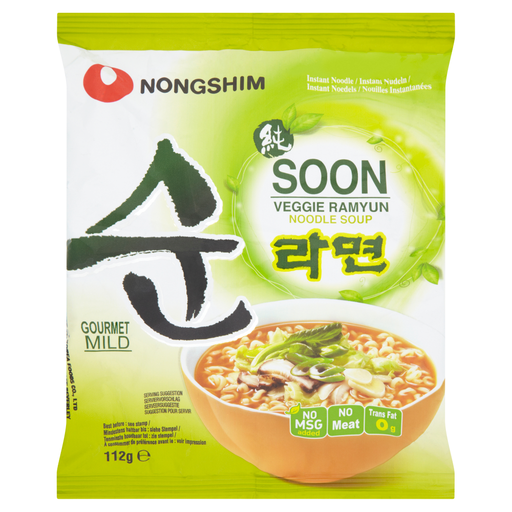
Why we love it: Because it offers the authentic Korean ramyun experience, guaranteed to be free of any animal products. Nongshim is a cult-favourite brand, and its "Soon" version (meaning "mild" or "pure") is designed to be 100% plant-based, with a flavourful broth and thick noodles with the perfect chew.
Clearly identified as vegetarian, its broth, made from vegetables and shiitake, is rich and complex. Goodbye to bland broth and hidden ingredients!
The chewy texture of the noodles and a comforting broth that wins over even non-vegetarians. A reliable choice for a quick vegetarian meal.
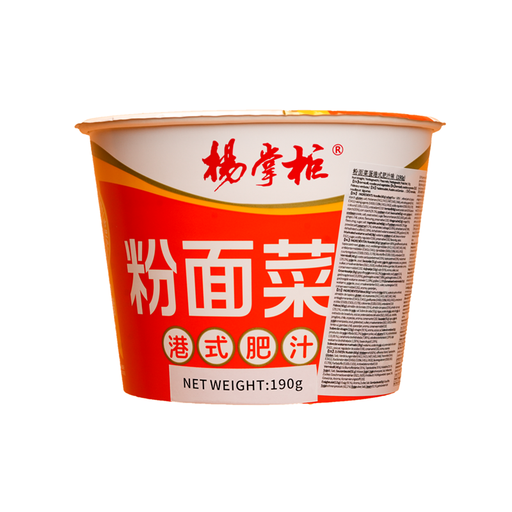
Why we love it: Because it offers a complete meal, rich in textures, and ready in a flash. This all-in-one bowl meal combines two types of noodles (wheat and sweet potato), a creamy sauce, a touch of vinegar for acidity, and a generous topping (soy-based preparations, sesame, seaweed, vegetables).
It sidesteps the bland broth issue with a thick, fragrant sauce. The interplay of textures (noodles, vegetables, tofu) makes it a much more complete dish than a classic ramen.
An ultra-convenient all-in-one format, with a dual noodle texture and a complex sweet-and-sour flavour that's off the beaten path.
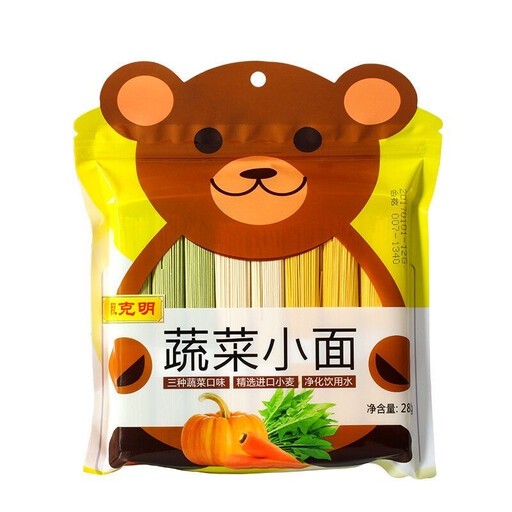
Why we love it: It's the ideal base for those who love to build their own dish from scratch. This packet contains only dried noodles, beautifully coloured with carrot, spinach, or pumpkin powders. A true blank canvas to let your creativity shine with your own broth and toppings.
Here, it's impossible to fall into the trap of a disappointing broth or hidden ingredients: you're the chef! You have 100% control over the flavour, salt, and quality of the products.
Absolute flexibility. These no-salt-added noodles are a healthy base for creating a custom vegetable noodle soup, a stir-fry, or even a cold noodle salad.
We have put together a complete selection of products that meet our quality criteria and current regulations.
A few simple tricks are all it takes to turn a basic dish into a feast. Consider adding: chopped spring onions, fresh or rehydrated shiitake mushrooms, firm or silken tofu, a few bok choy leaves, or a soft-boiled egg (for vegetarians). A drizzle of toasted sesame oil or a dab of chilli paste just before serving, and you're all set.
Not necessarily. The terms "vegan" or "vegetarian" guarantee the absence of animal products, but they are by no means a mark of nutritional quality. Many instant noodles, including vegetarian ones, remain high in sodium and saturated fats (often due to the palm oil used for frying). For a healthier choice, scrutinise the nutritional information and opt for air-dried noodles over fried ones.
While both terms refer to a noodle soup, "ramen" is Japanese, whereas "ramyun" is its Korean equivalent. Korean ramyun is generally distinguished by its spicier flavours, redder broth, and often thicker, chewier noodles than its Japanese cousin. In South Korea, instant noodles are a true institution, which explains the incredible diversity and quality of the ramyun you can find there.