
Livraison le jour même ou le lendemain

Qualité garantie

Débloquez vos offres de bienvenue: Livraison GRATUITE | Jusqu'à -80 % | 30 jours d'essai gratuits à JoyPlus
Téléchargez l'application
The range of vegetarian products has never been more extensive, which is excellent news for anyone looking to diversify their diet. However, navigating the increasingly crowded aisles (both physical and virtual) can quickly become a headache. Between marketing promises and the actual taste experience, disappointment is often just a bite away. To help you make sense of it all, let's review the most common pitfalls and the essential criteria for making the right choice.
To avoid these disappointments, focus on a few objective criteria before you check out.
The plant-based protein content is a good indicator, but it's far from the whole story. Take the time to scrutinize the ingredient list and the nutritional information panel.
The main ingredient directly influences the product's texture and nutritional profile.
Defining your need will guide you to the right format. Are you looking for a ready-to-eat snack or a raw ingredient to cook with?
Here are a few options that meet different needs, taking into account the criteria mentioned above.
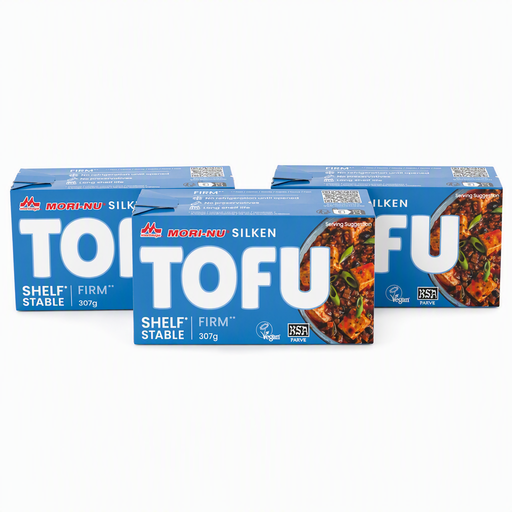
Why we love it: Perfect for fans of Asian cuisine looking for an authentic base ingredient. Its silky yet firm texture is equally suited for miso soups, stir-fries, and even vegan desserts.
This tofu avoids the trap of limited versatility. It's a raw ingredient that adapts to a myriad of preparations, both savoury and sweet, giving you complete control over the seasoning.
Its long shelf life in a Tetra Pak carton, requiring no refrigeration before opening, makes it incredibly convenient to store.
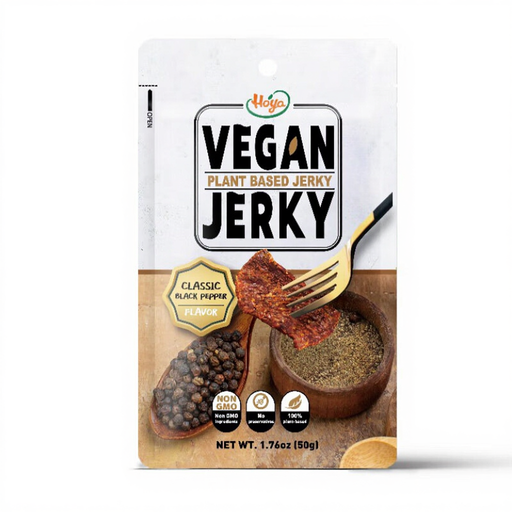
Why we love it: For anyone looking for a high-protein snack that's easy to pack and enjoy anywhere: at the office, on a hike, or after a workout.
This vegan jerky avoids the disappointing texture trap. Made from soy and wheat proteins, it offers a firm and surprisingly authentic chew that rivals traditional jerky.
Its high protein content (22 g per 100 g) makes it a truly satisfying snack, and its ready-to-eat format is incredibly practical.
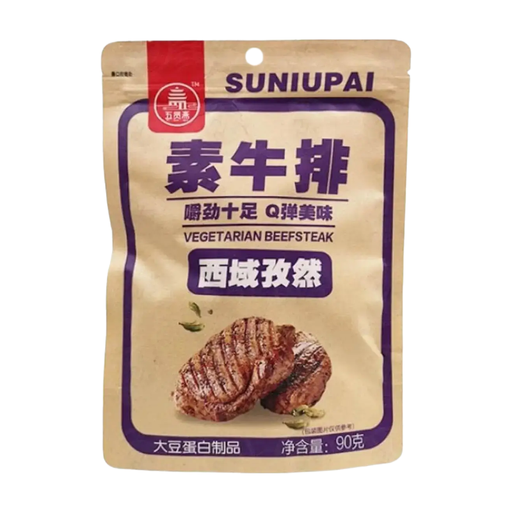
Why we love it: Perfect for those who want to reduce their meat consumption without diving into complex recipes. Its "steak" format and familiar cumin flavour make it an easy and delicious entry point.
It avoids the taste and texture pitfall by offering a pleasant chew and a bold seasoning that is sure to make an impression. Ideal for easing the transition to a more plant-based diet.
Very high in protein (28.3 g per 100 g) and ready to eat, it can be enjoyed as is or added to a dish for a quick protein boost.
We have compiled a complete and up-to-date selection of products that meet our selection criteria and current regulations.
Once opened, tofu should be kept in the refrigerator. To maintain its freshness, place it in an airtight container filled with fresh water, changing the water daily. It is best consumed within 2 to 3 days.
Not necessarily. While many plant-based alternatives are nutritionally beneficial (high in fibre, low in saturated fat), ultra-processed products can be loaded with salt, sugar, and additives. The rule of thumb: always read labels carefully to make an informed choice, favouring short and simple ingredient lists.
The plant-based snacking market has exploded. Look for vegetarian jerky, roasted edamame beans, plant-based protein bars, or even puffed soy protein crisps. These options are now common in supermarkets, health food stores, or on an online vegan grocery store like Joybuy, which offers a wide selection.