
Livraison le jour même ou le lendemain

Qualité garantie

Débloquez vos offres de bienvenue: Livraison GRATUITE | Jusqu'à -80 % | 30 jours d'essai gratuits à JoyPlus
Téléchargez l'application
A quick, flavourful vegetarian meal?: a trio that can be hard to achieve in our daily lives. Between a busy schedule and the desire for variety, time-saving tricks are invaluable. That's where frozen vegetable gyoza come in. These delicate vegetarian Japanese dumplings are not only a breeze to prepare, but they're also wonderfully versatile.
But with ever-expanding freezer aisles stocked with Asian dumplings, how do you make the right choice?? Follow our guide?! We'll break down the essential criteria and present our top picks to help you find the perfect gyoza for your palate.
Before you grab the first package you see, here are a few points to check to ensure you make the right choice.
The filling is the soul of the gyoza. For a vegetarian gyoza, the possibilities are endless. Some recipes rely on a classic mix of vegetables like cabbage, carrots, and onions. Others are more adventurous, using distinctive ingredients like shiitake mushrooms for that signature umami flavour, or tofu for a softer texture and a protein boost. The presence of textured soy protein can also provide a firmer consistency. Take the time to read the ingredients list to get an idea of the flavour profile.
Frozen vegetable dumplings are available in various package sizes. A 300g bag is perfect for a meal for one or an appetiser for two. The more economical 450g to 600g sizes are ideal for sharing or if you like to have a quick vegetarian meal always on hand.
Most frozen gyoza offer several cooking options:
Depending on whether you're on #TeamCrispy or #TeamSoft, you might prefer products with a dough that responds better to a specific cooking method.
We've reviewed several brands. Here are the ones that caught our attention for their taste, ingredients, and convenience.
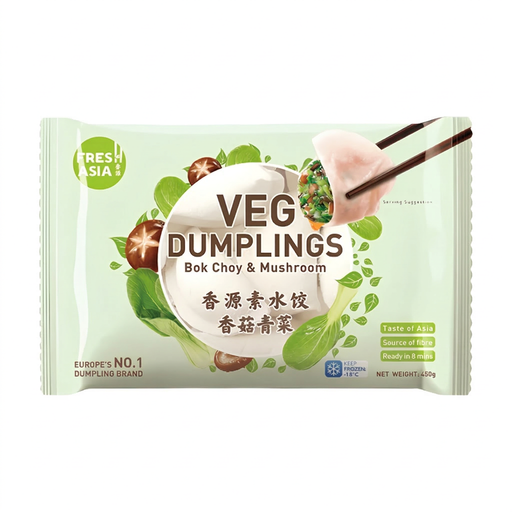
What makes them stand out?: The combination of crunchy bok choy and shiitake mushrooms gives these dumplings an authentic Asian aroma and a wonderful complexity of flavour.
Highlights?:
Who are they for?? For those who love the earthy flavours and the signature umami touch of shiitake mushrooms in their vegetable dumplings.
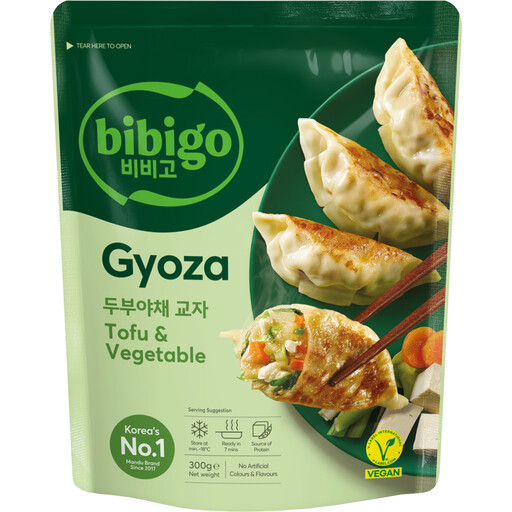
What makes them stand out?: A recipe that focuses on freshness, with 46% vegetables and a balanced filling where tofu is paired with spinach and spring onions.
Highlights?:
Who are they for?? Ideal for those looking for a light vegetarian gyoza where the flavour of each vegetable comes through clearly.
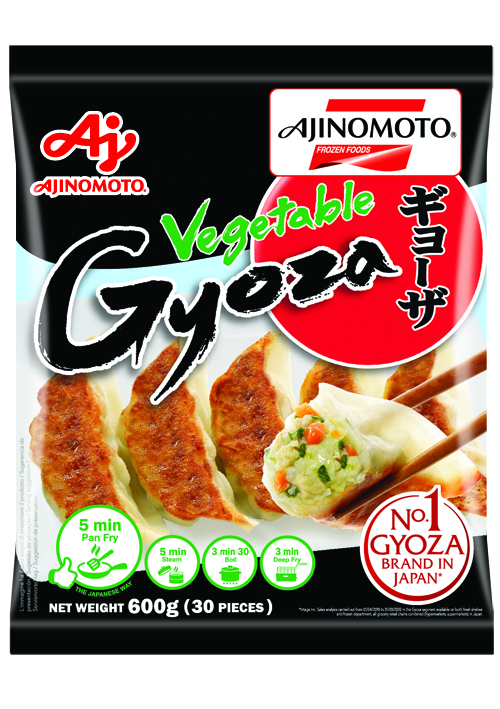
What makes them stand out?: The jumbo 600g size and a filling enriched with textured soy protein for a firmer bite and a more satisfying meal.
Highlights?:
Who are they for?? For families, those with big appetites, or simply for stocking up?! Perfect if you enjoy fillings with a heartier texture that turn these frozen Asian dumplings into a true main course.
Is our selection not quite to your taste?? Or are you simply in an exploratory mood?? The world of frozen dumplings is vast.
Feel free to browse our full range of vegetable dumplings to discover the hidden gem that will earn a spot in your weekly meal plan.
No need to thaw?! For perfect results, you have three options:
People tend to use these terms interchangeably, but each has a specific meaning:
Gyoza are traditionally served with a simple dipping sauce. The classic, foolproof mix is?: soy sauce, a splash of rice vinegar, and a few drops of sesame oil. To make it a complete meal, serve them with a crunchy cabbage salad, some edamame beans, or a simple bowl of white rice.