
Livraison le jour même ou le lendemain

Qualité garantie

Débloquez vos offres de bienvenue: Livraison GRATUITE | Jusqu'à -80 % | 30 jours d'essai gratuits à JoyPlus
Téléchargez l'application
Any gardener will tell you?: protecting your vegetable patch is a constant obsession. Between late frosts, driving rain, wind, and pests, securing your crops is the key to a bountiful harvest. A protective cover for your vegetable garden stands out as a simple and remarkably effective solution to counter these challenges.
But with a jungle of options available (transparent, perforated, coloured, etc.), it can be hard to know where to start. This guide is here to help you see clearly, understand the essential criteria, and choose the perfect model to pamper your seedlings and plants all year round.
The ideal cover primarily depends on your goal?: accelerating crop growth, protecting them from the cold, or keeping insects at bay. Several criteria should be taken into account.
Most covers are made of polyethylene (PE). Their effectiveness and durability are directly related to their thickness, measured in microns.
Also, consider UV treatment. A UV-stabilised cover will withstand sun exposure much better and can be reused for several seasons.
The appearance of the cover isn't just about aesthetics?; it plays a direct role in your plants' development.
To help you make your choice, we've selected three models that each meet a specific need.
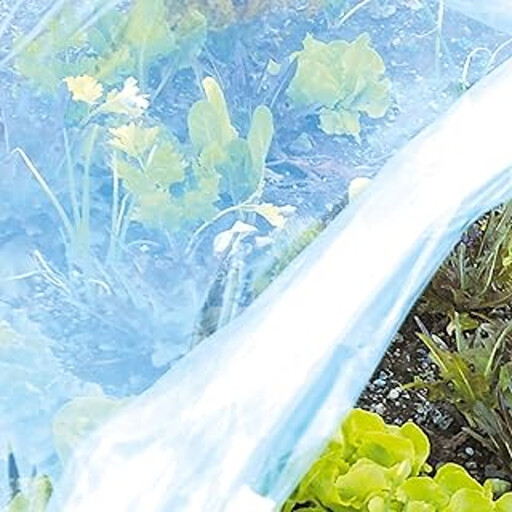
This transparent polyethylene protective film is designed to create a reliable shield against bad weather. Placed over hoops to form a tunnel or laid directly on crops, it helps maintain a stable microclimate conducive to the development of young plants and buds.
Why this product stands out: Its transparency maximises light intake while protecting against wind, moderate frost, and heavy rain, making it the perfect foundational solution for starting the season earlier.
Benefits:
Who is it for? For gardeners looking for a simple, versatile solution to protect their early-season seedlings and extend their autumn harvests.
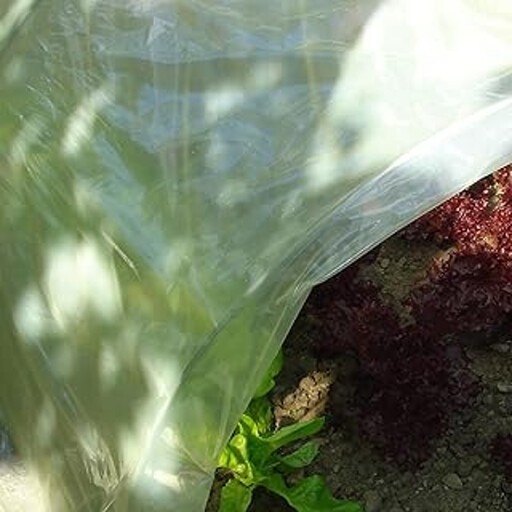
This yellow agricultural film is specially designed for small tunnels or trench cultivation. Its design optimises crop growth by creating a perfectly controlled microclimate. It is made from UV-treated polyethylene with a thickness of 70 microns.
Why this product stands out: The yellow colour is no accident?: it's used in agriculture to filter the light spectrum in a way that promotes germination and accelerates plant development. As a bonus, it offers effective protection against bad weather, birds, and certain insects.
Benefits:
Who is it for? For gardeners who want to stack the odds in their favour during germination and growth, especially for more demanding crops.
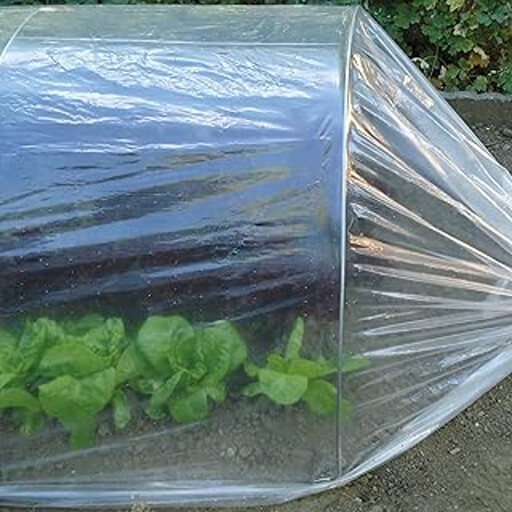
The Tenax Dot film stands out for its micro-perforated design. This feature allows air to circulate, preventing overheating on sunny days and reducing condensation. It can be laid directly on vegetables or over stakes.
Why this product stands out: It offers a perfect balance between protection and ventilation. It shields against bad weather, cold, and pests (insects, birds) while letting plants breathe, thus limiting the risk of fungal diseases (mildew, etc.).
Benefits:
Who is it for? For gardeners in regions with significant temperature fluctuations, or for those who want to prevent moisture-related diseases at all costs.
The covers in our selection address the most common uses, but every garden is unique. If you're looking for a larger size, a specific weight, or another type of protection, rest assured?: the selection is vast.
? Explore our full range of Outdoor Covers to find the perfect custom solution for your garden.
It all depends on your goal. To force crops, install the cover in late winter or early spring, a few weeks before planting, to warm the soil. For winter garden protection, install it in the autumn before the first hard frosts to protect the crops already in place.
Although both protect plants, their primary functions differ.
For a polytunnel cover, tension is key. Drape the film over your hoops, then bury the edges in trenches dug on each side of the tunnel. Fill the trenches with soil to anchor the cover securely. Make sure the film is taut to prevent water from pooling and to better withstand wind. You can also use special clips to fasten the cover to the hoops.
By the Joybuy editorial team