
Livraison le jour même ou le lendemain

Qualité garantie

Débloquez vos offres de bienvenue: Livraison GRATUITE | Jusqu'à -80 % | 30 jours d'essai gratuits à JoyPlus
Téléchargez l'application
Vegetable and fruit chips are popping up everywhere as the healthy alternative to traditional potato chips. Promising a unique appetiser or a guilt-free snack, the selection on store shelves can be overwhelming. Between the health claims and alluring packaging, it's easy to end up with a product that's far less healthy than it appears.
As the head of the "Buying Guides" section at Joybuy, my mission is to help you decode the labels. Let's scrutinise the traps to avoid and the key criteria for making an informed choice that balances enjoyment with common sense.
The marketing for "healthy" snacks is formidable, but it often masks a less glamorous reality. Here are the three most common pitfalls.
To avoid being fooled by appearances, focus on these three key points before you check out.
A short list is often a good sign. The first ingredient should be the vegetable or fruit (e.g., "sweet potato," "apple"), not "starch," "semolina," or "flour." Look out for unnecessary additions:
The manufacturing process has a direct impact on the final product's nutritional profile.
Don't trust the slogans on the front of the package. Make a habit of turning the package over and checking the nutrition facts panel per 100g—it's the only way to compare objectively:
While vegetable chips are an interesting avenue, the world of healthy snacks is much broader. Here are a few alternatives for those looking for a unique appetiser or a snack that fits their lifestyle.
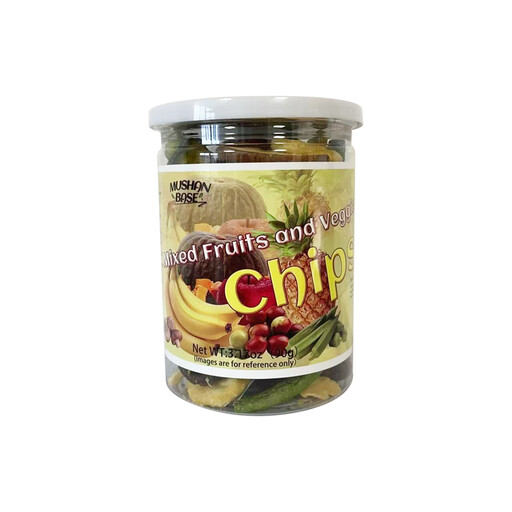
Why we chose it: For those who want the authentic taste and texture of vegetable and fruit chips. This mix contains real pieces of purple sweet potato, banana, taro, apple, and carrot for a wonderful diversity of flavours and crunches.
This product tackles the cooking method trap. The low-temperature vacuum frying technique preserves the natural colour and flavour of the ingredients while limiting fat absorption.
A true medley of fruits and vegetables where you can recognise every piece. The ingredient list is transparent: vegetables and fruits first, followed by palm oil, maltose, and salt.
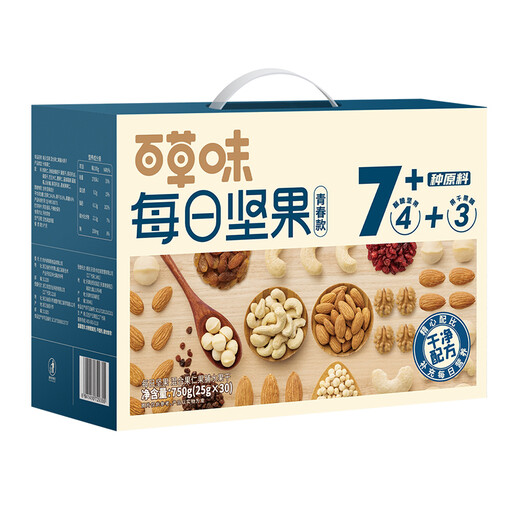
Why we chose it: The perfect solution for a quick and nutritious snack. This large, resealable pack offers a balanced mix of nuts (walnuts, almonds, cashews, macadamias) and dried fruits (raisins, cranberries) for a lasting energy boost.
It avoids the "health halo" trap through its simplicity. The ingredients are raw and unprocessed. The list is transparent, even mentioning the sunflower oil used for the sweetened cranberries.
A very complete nutritional intake (protein, good fats, fibre) thanks to the combination of 4 types of nuts and 3 varieties of fruit. The 750g format is ideal for family or daily use.
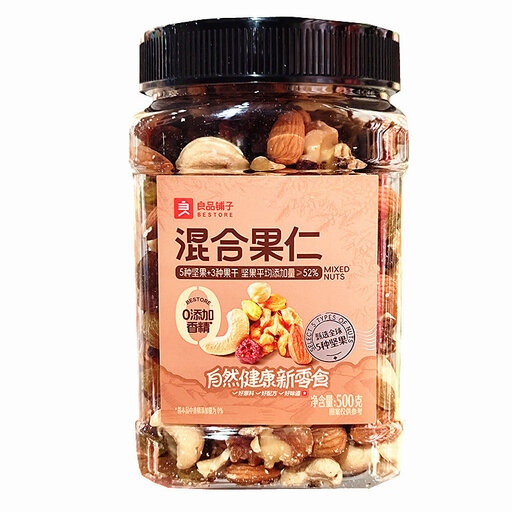
Why we chose it: For those looking for a reliable, nutritious, and no-frills option. This mix of cashews, almonds, pistachios, macadamia nuts, and pumpkin seeds is a perfect base for a protein-rich appetiser or snack.
This mix embodies pure simplicity. The ingredient list is as short as it gets: nuts, seeds, and a hint of salt. Zero additives, added sugar, or unnecessary oils, which means no unpleasant surprises.
A product that bets everything on the quality of its raw ingredients. The original flavour of the ingredients is perfectly preserved. It's an excellent source of protein (20g/100g) and healthy fats.
We've compiled a complete selection of products that meet our demanding selection criteria.
Are vegetable chips really healthier than potato chips? Not necessarily. It all depends on the composition and cooking method. An oven-baked sweet potato chip with little salt will be nutritionally better than a classic fried potato chip. Conversely, a reconstituted, fried, and heavily salted vegetable chip can be worse. The key is to read the label and not just trust the word "vegetable" on the packaging.
How should I store vegetable and fruit chips to keep them crispy? Moisture is their number one enemy. Once the package is opened, transfer the chips to an airtight container and store it in a cool, dry place away from light. For optimal crunch, consume them quickly.
Can you make your own vegetable chips at home? Absolutely! Using an oven, an air fryer, or a dehydrator is the best way to have 100% control over the ingredients. Thinly slice your vegetables (beetroot, carrot, parsnip, kale), add a drizzle of olive oil and a pinch of salt, then bake until you achieve the desired crispiness. This guarantees a healthy snack that's fully customised.