When shopping for vegan products, start by checking the spread’s ingredients: a recipe containing milk, lactose or whey won’t meet your needs. Once you’ve found suitable options, choose a size that works for you and compare the nutritional information per 100 g. Nutri-Score can provide an extra point of reference when shown, but it’s voluntary in France.
Who is this guide for?
Vegan shoppers looking for the right size
If you’re shopping on a budget, check the recipe first: a large jar won’t meet your vegan requirements if it contains dairy ingredients. E.Leclerc’s product listing for Eco+ spread specifically mentions whey, lactose and skimmed milk.
Vegans checking ingredients and allergens
The jar’s packaging doesn’t replace checking the ingredients of the exact product. Look out for dairy ingredients and any allergens that matter to you, such as hazelnuts or peanuts.
Vegan shoppers comparing nutritional values
To compare different sizes, check the values per 100 g, especially sugars and saturated fatty acids. The DGCCRF states that Nutri-Score is voluntary in France, so its absence is no substitute for checking the nutrition declaration.
What should you check?
When choosing a spread as part of your vegan shop, confirm the ingredients of the exact product before comparing sizes and recipes.
| Criteria |
What to check |
Who is it for? |
| Vegan ingredients |
Read the ingredients list for the exact product, paying particular attention to milk, lactose and whey. |
If I don’t want any animal-derived ingredients in my basket, the look of the jar isn’t enough to decide. Around 42% of consumers put this compatibility first among their concerns. |
| Jar size |
Check the stated quantity and, once you’ve confirmed the recipe, choose a size that suits how you’ll use it. |
For my shop, I want a jar in a size that matches how much I’ll use. Size is the main concern for around 33% of consumers. |
| Recipe and nutritional values |
Compare the ingredients and values per 100 g, especially sugars and saturated fatty acids. Check the Nutri-Score if it appears on the product. |
If I’m choosing between several vegan recipes, I want to understand how their ingredients differ without relying on a single label. Around 25% of consumers prioritise this kind of comparison. |
Mistakes to avoid
-
Assuming a standard chocolate spread is vegan
A recipe that looks mainly plant-based may still contain dairy ingredients. E.Leclerc’s product listing for Eco+ spread mentions whey, lactose and skimmed milk.
Check the ingredients list for the size you plan to buy, even if you already know the brand.
-
Expecting every jar to have a Nutri-Score
According to the DGCCRF, Nutri-Score is voluntary in France. Its absence doesn’t mean a spread isn’t vegan, nor does it tell you what its nutritional values are.
If the logo isn’t shown, use the nutrition declaration to compare products on a per-100 g basis.
-
Confusing ‘vegan’ and ‘organic’ claims with nutritional values
These claims describe different characteristics. A recipe may meet your ingredient or production criteria while still having sugar and fat levels that need to be considered separately.
Check the ingredients and claims you’re looking for, then review the nutritional values for the exact product.
Brands to know for these recipes
Nutella
Carrefour’s product listing describes the 350 g Plant-Based version as suitable for vegans and vegetarians.
- Carrefour’s listing states that this recipe contains 13% hazelnuts.
- It contains palm oil. The listing also says that the brand owner does not provide a Nutri-Score for this product.
Funkie
Greenweez describes the 200 g cocoa and hazelnut spread as an organic plant-based recipe made with red bean purée.
- The listing states that it contains 18% hazelnuts and has a palm-oil-free recipe.
- These details alone aren’t enough to compare its nutritional values with another recipe.
Noiseraie
Greenweez describes the 300 g Choke Nut product as vegan, organic and fair trade.
- The listing states that it contains 27% hazelnuts and has a palm-oil-free recipe.
- To assess the product as a whole, also read the ingredients list and nutritional values for this specific product.
Chocolate spreads and other spreads on Joybuy
This selection includes cocoa and hazelnut or cocoa and peanut spreads, as well as two peanut spreads. If you’re specifically looking for a vegan cocoa and hazelnut spread, don’t treat the peanut spreads as equivalent recipes. Remember to check the ingredients of the jar you choose, too.
 Image unavailable
Funkie organic cocoa and hazelnut spread, 200 g
A plant-based recipe to consider if you’re looking for a smaller jar of cocoa and hazelnut spread. Greenweez’s listing for this product describes a red bean purée base and states that it contains 18% hazelnuts. Bear this ingredient in mind if you need to avoid tree nuts.
View on Joybuy
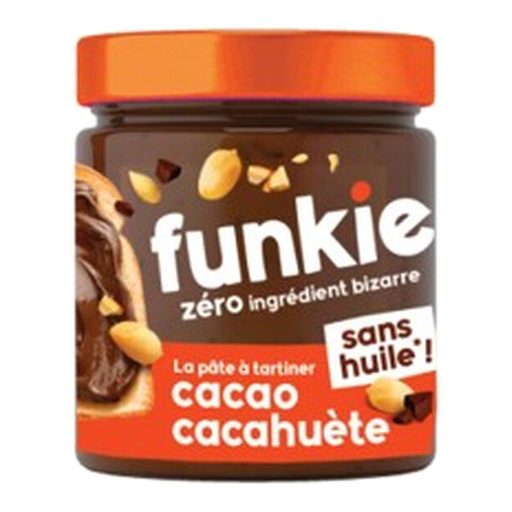 Image unavailable
Funkie organic cocoa and peanut spread, 200 g
This version combines cocoa and peanuts rather than cocoa and hazelnuts. If vegan suitability or the presence of peanuts affects your choice, check the ingredients list and allergen information on the exact product.
View on Joybuy
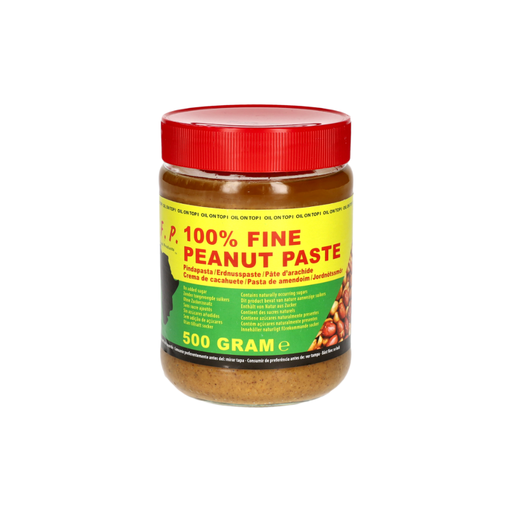 Image unavailable
A.F.P. smooth peanut paste, 500 g
Worth considering if you’d prefer a peanut spread rather than a cocoa and hazelnut spread. For a vegan shop, check the ingredients in the jar. Peanuts should also factor into your choice if this allergen is relevant to you.
View on Joybuy
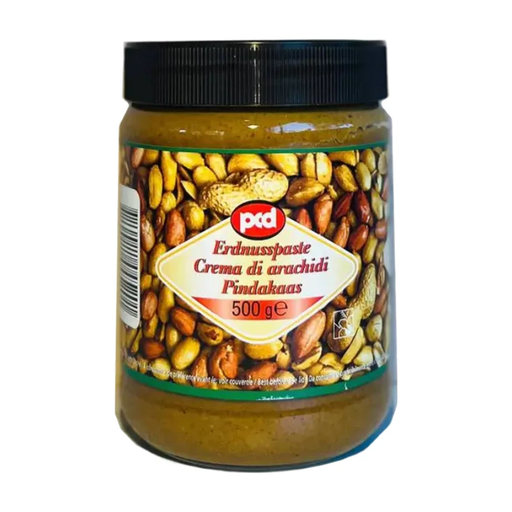 Image unavailable
PCD peanut butter, 500 g
Another option if you’re after a peanut spread rather than a cocoa and hazelnut recipe. Before adding this peanut butter to a vegan basket, read the ingredients and check the allergen labelling.
View on Joybuy
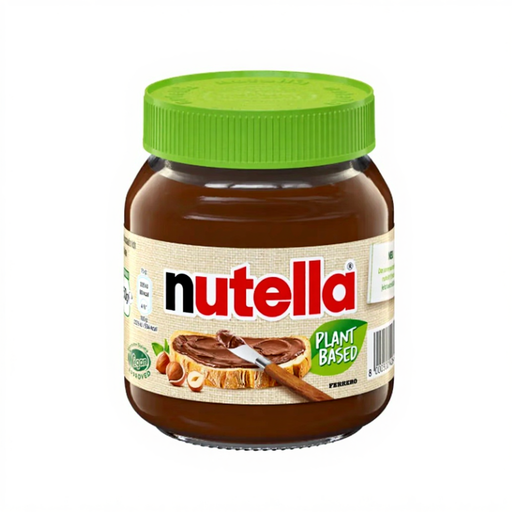 Image unavailable
Nutella Plant-Based, 350 g
Carrefour’s listing for the same product describes this cocoa and hazelnut spread as suitable for vegans. It states that the recipe contains 13% hazelnuts and palm oil. Check the nutritional values on the jar to compare it with other recipes.
View on Joybuy
Frequently asked questions
Is Nutri-Score compulsory on spreads sold in France?
No. The DGCCRF describes Nutri-Score as a voluntary label in France. A nutrition declaration is generally compulsory for prepacked foods, subject to certain exemptions. When comparing recipes, check the values per 100 g.
Is a spread that looks plant-based necessarily suitable for vegans?
No. Dairy ingredients may be part of the recipe. E.Leclerc’s product listing for Eco+ spread mentions whey powder, lactose and skimmed milk powder. Check the ingredients for the exact product and size.
What should you check on the label when choosing a vegan recipe?
Start with the ingredients list to check for any animal-derived ingredients. Also look at the allergens highlighted on the label, especially if the product contains tree nuts, peanuts or soya.
How should you store a vegan spread after opening?
Follow the instructions on the jar you’ve bought. For the Funkie spread described by Greenweez, the retailer recommends refrigerating it after opening and consuming it soon afterwards. This instruction may not apply to other recipes.


