
Livraison le jour même ou le lendemain

Qualité garantie

Débloquez vos offres de bienvenue: Livraison GRATUITE | Jusqu'à -80 % | 30 jours d'essai gratuits à JoyPlus
Téléchargez l'application
The world of vegan sauces has expanded considerably, offering plant-based alternatives for almost every traditional condiment. For consumers who value both taste and value for money, navigating this selection can be complex. How can you replace the umami flavour of a fish sauce or the creaminess of a mayonnaise without compromise? This article aims to provide clear guidelines for choosing vegan condiments that suit your needs, whether for everyday cooking or more specific recipes.
With ever-expanding store shelves, a few simple habits can help you make informed choices that meet your expectations for transparency and quality.
The first step is to read the label carefully. A quality vegan sauce is built on a straightforward ingredient list. For alternatives to Asian sauces, the base is often made from fermented soy, mushrooms (like shiitake), or seaweed extracts to recreate depth of flavour. For a vegan mayonnaise, vegetable oil (sunflower, rapeseed) and plant-based proteins (pea, fava bean) replace eggs.
European regulations require clear labelling of major allergens (soy, gluten, mustard, etc.). This is crucial to check, especially for individuals with specific food sensitivities.
Taste is the primary criterion. To replace sauces traditionally made with animal products, manufacturers use specific techniques:
Identifying these elements in the ingredients will give you a good indication of the final product's flavour profile and texture.
Buying a large size might seem economical, but if the sauce is only used occasionally, it can lead to waste. Check the storage instructions after opening. Most vegan sauces must be refrigerated and consumed within a few weeks. Choosing a size that matches your consumption rate is both an economical and responsible choice.
As a Joybuy Product Recommendation Officer, my role is to sift through the market to present you with options that meet specific needs. Here is a selection of products that stand out for their formulation and versatility.

Why we recommend it: Creating a vegan fish sauce is a challenge, as it requires replicating a very distinctive salty and fermented flavour. This alternative from the Au Lac brand achieves this by using a soy base. It provides the necessary saltiness and depth for Southeast Asian dishes, without any animal products. Its simplicity (water, soy, salt) makes it a straightforward and effective condiment.
Benefits:
Who is this product for?: Ideal for those on a vegan or vegetarian diet who want to cook authentic Vietnamese or Thai dishes. It's also an excellent option for people with fish and shellfish allergies.

Why we recommend it: Lee Kum Kee is a benchmark brand for Asian sauces. The fact that it offers a vegan oyster sauce is a mark of its quality and reliability. This sauce manages to recreate the rich flavour and syrupy texture of the original, thanks to a combination of soy protein, soy sauce, and spice extracts. It adds complexity and a glossy finish to vegetable and noodle stir-fries.
Benefits:
Who is this product for?: Perfect for fans of Chinese and Asian cuisine in general. It's a key ingredient for broccoli stir-fries, braised tofu dishes, or for enriching a marinade.
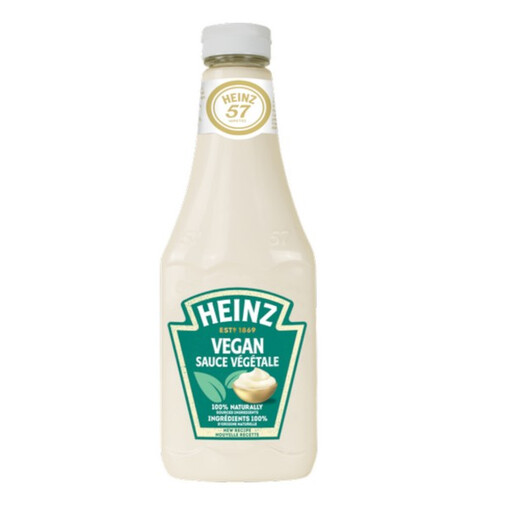
Why we recommend it: Mayonnaise is a cornerstone of many cuisines. Finding a plant-based alternative that doesn't disappoint is essential. HEINZ's vegan mayonnaise delivers on this front, offering a creamy texture and a balanced taste that is very close to the classic version. Formulated without eggs and made with sunflower oil and fenugreek protein, it integrates seamlessly into all your preparations.
Benefits:
Who is this product for?: Everyone. Whether for families, people with egg allergies, or simply the curious, it's a perfect substitute for traditional mayonnaise in sandwiches, potato salads, burgers, or as a base for other sauces (tartar, cocktail).
Beyond sauces, the plant-based food world offers a growing range of products to diversify your meals. To accompany your main courses or for a barbecue, there are delicious options that perfectly complete any plate.
For example, have you considered pairing your dishes with a quality [vegan sausage](https://www.joybuy.fr/explore/saucisse-vegane/H8XiskJY)? They can perfectly complement your meals and pair well with most of the condiments featured here.
A vegan sauce is a condiment that contains no animal-derived ingredients. This excludes meat, poultry, fish, and seafood, as well as by-products like eggs (mayonnaise), dairy (cream sauces), or honey. Manufacturers use plant-based alternatives to replicate the taste and texture.
To replace fish sauce, the most common option is a vegan fish sauce made from fermented soy, like the one from Au Lac. Other alternatives include using soy sauce (tamari for a gluten-free option) mixed with a little rice vinegar and a pinch of sugar, or sauces made from seaweed extracts for a more oceanic note.
That's a common misconception. Flavour, especially umami, can be brilliantly recreated with plant-based ingredients. Fermentation (soy, miso), mushrooms (shiitake), yeast extracts, concentrated tomatoes, and seaweed are all powerful sources of umami. A well-formulated vegan sauce can easily rival its traditional counterpart in terms of complexity and depth of flavour.