
Livraison le jour même ou le lendemain

Qualité garantie

Débloquez vos offres de bienvenue: Livraison GRATUITE | Jusqu'à -80 % | 30 jours d'essai gratuits à JoyPlus
Téléchargez l'application
Finding a snack that's delicious, convenient, and 100% plant-based can sometimes be a real challenge. For fans of savoury, high-protein treats, vegan jerky is emerging as an increasingly popular solution. Directly inspired by traditional dried meat, it mimics that characteristic chew and intense flavour, all with a purely plant-based recipe.
As the Head of Product Recommendations at Joybuy, my mission is to decode the market and its subtleties for you. This guide is designed to introduce you to the best plant-based dried meat options and give you all the keys to making an informed choice that truly suits your tastes and needs.
Before diving into our selection, let's review the essential criteria for finding the perfect one.
Mouthfeel is a crucial factor. Most vegan jerkies are built around two main protein bases:
The choice between these bases will depend entirely on your personal preference for a softer or more fibrous texture.
The world of vegan jerky is incredibly rich in flavour. Forget simple black pepper: many recipes draw inspiration from culinary traditions around the globe. Expect sweet and savoury marinades, intense smoky notes, or complex spice blends.
The Asian vegan snack, for example, often relies on soy sauce, five-spice powder, or Sichuan pepper to create deep, authentic umami flavours. A quick look at the ingredients list will give you a preview of what the product has to offer.
If you see jerky as a dried meat alternative to fuel up, then nutritional values are a key criterion. A good vegetarian protein snack should have a substantial protein content, ideally over 15?g per 100?g. Also, be sure to check the salt and sugar content, which can sometimes skyrocket from one brand to another.
Here are our top picks, selected for the quality of their ingredients, their flavours, and their nutritional performance.
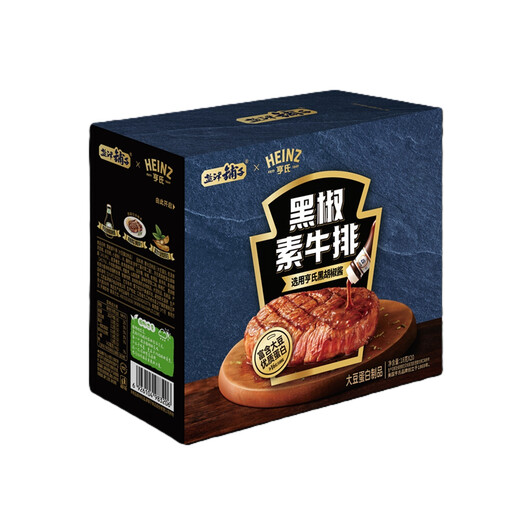
What sets it apart This textured soy-based product stands out for its melt-in-your-mouth texture, reminiscent of a tender steak. The black pepper sauce (3.8%) and black peppercorns (0.7%) give it a bold and savoury taste, with a well-balanced spicy kick that never overwhelms the palate.
Highlights
Who is it for?? Ideal for those looking for an easy daily snack to slip into a bag. Its individual packaging makes it a perfect companion for office breaks, hikes, or unexpected hunger pangs.
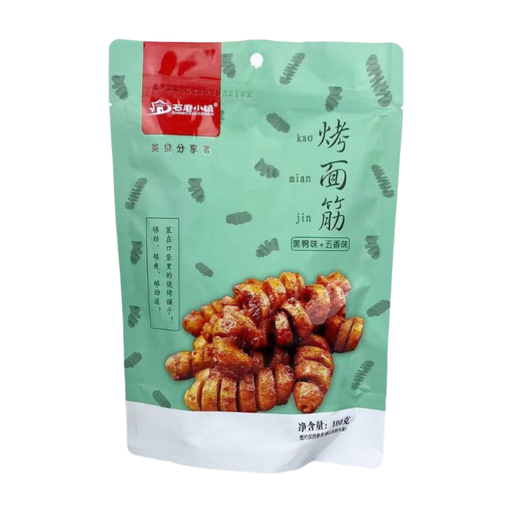
What sets it apart This Asian vegan snack offers a duo of flavours emblematic of Chinese cuisine: spicy duck and five-spice. Made from wheat gluten, its texture is firm and very satisfying to chew, typical of dried seitan.
Highlights
Who is it for?? Perfect for the adventurous and lovers of powerful, complex flavours. It's an excellent option for those who appreciate the dense texture of seitan and are looking for a savoury vegan snack that's out of the ordinary.
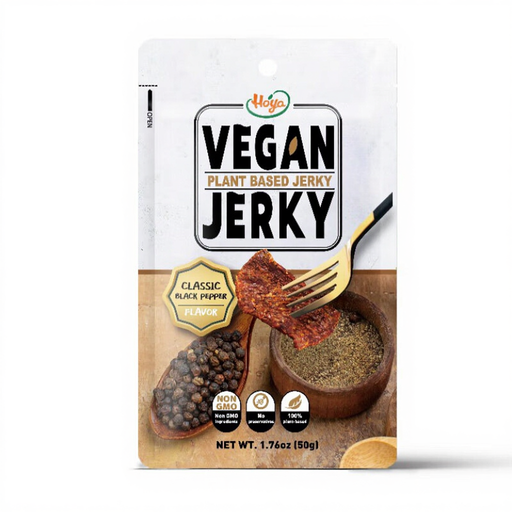
What sets it apart This South Korean vegan jerky is designed to offer a stunningly realistic experience, very close to traditional beef jerky. Its soy and wheat protein base gives it a fibrous, satisfyingly chewy texture, while the black pepper seasoning is both classic and well-executed.
Highlights
Who is it for?? A top choice for athletes, hikers, or anyone looking for a high-performance vegetarian protein snack that's easy to eat on the move. Its classic flavour makes it a reliable choice.
Vegan jerky is an excellent option, but variety is key to a balanced and delicious diet. If you want to explore other avenues, take a look at our selection of nuts and seeds.
Discover our range of black walnuts and other savoury snacks
Vegan jerky is a plant-based snack that mimics the texture and taste of dried meat (the famous beef jerky). It is most often made from soy protein, wheat gluten (seitan), or sometimes mushrooms. The ingredients are marinated, seasoned, and then dehydrated to achieve that firm, pleasant mouthfeel.
It all depends on its composition and the moderation with which it's consumed. Vegan jerky is often high in protein and lower in saturated fat than its meat-based counterpart, making it an interesting vegetarian protein snack. However, pay attention to the salt and added sugar content, which can quickly climb depending on the brand. It remains a processed food, to be consumed as part of a varied and balanced diet.
The fundamental difference lies in the base ingredient. Soy jerky is made from protein extracted from soybeans, which often gives it a fibrous and light texture. Dried seitan, on the other hand, is made from wheat gluten, the main protein in wheat. This gives it a much denser, more elastic, and firmer texture, often described as more 'meaty'. The choice between the two is therefore primarily a matter of personal taste when it comes to texture.