If you have coeliac disease, first choose pasta with “gluten-free” on the pack; the Crossed Grain symbol can provide an additional check. Check the vegan criteria separately: a product explicitly described as vegan makes this easier, while a familiar corn-and-rice recipe means you’ll need to check the origin of any additives whose source isn’t specified.
Who is this choice for?
Vegans with coeliac disease
You need to check two separate criteria for the specific product you buy: the “gluten-free” label and whether it’s suitable for your vegan diet. According to AFDIAG, the Crossed Grain symbol indicates gluten-related checks; it doesn’t certify that a product is vegan.
Households with a shared kitchen
You prepare gluten-free pasta while also cooking foods that contain gluten. Choosing the right pack matters, but AFDIAG points out that cooking water, surfaces and utensils can all cause cross-contamination.
Vegans who pay attention to protein in their meals
You’re looking for an alternative to corn-and-rice pasta. A chickpea product described as both vegan and gluten-free could be a good option; compare its nutritional information and consider its flavour and texture.
What should you look for on the pack?
To meet the needs of a vegan household and someone with coeliac disease, check the “gluten-free” label and the vegan status of the specific product before choosing its shape or comparing its nutritional values.
Chickpea pasta
Worth considering: a product such as Les Moulins de Provence twists, which Auchan lists as both “vegan” and “gluten-free”.
Bear in mind: chickpea pasta has a different flavour and texture from a corn-and-rice recipe.
Corn-and-rice pasta
Worth considering: if you’re looking for gluten-free penne, spaghetti or tagliatelle, for example.
Check: a corn-and-rice recipe alone doesn’t confirm that a product is vegan if the list includes an additive whose source isn’t specified.
| What matters to you |
What to check |
Who is it for? |
| Gluten and cross-contamination |
Look for the exact wording “gluten-free”; if you want the checks associated with the Crossed Grain symbol, make sure it’s on the pack. Prepare the pasta separately from foods containing gluten. |
When I’m cooking for someone with coeliac disease in a household that also eats wheat pasta, I want to avoid gluten all the way to the plate. Around 42% of consumers would put this safety consideration first. |
| Vegan suitability |
Check the ingredients list and look for a vegan claim. If the source of an emulsifier isn’t stated, ask the manufacturer to confirm. |
If I follow a strict vegan diet, I don’t want to assume where every ingredient comes from based only on the “gluten-free” label. This check would be a priority for around 33% of consumers. |
| Shape and nutritional information |
Choose a shape that suits the dish you’re planning and compare the protein per 100 g if that matters to you. |
For my meals, I might choose a familiar pasta shape or look at the protein content of a different recipe. Around 25% of consumers would prioritise these preferences first, once dietary requirements have been checked. |
Mistakes to avoid
-
Confusing “very low gluten” with “gluten-free”
These labels don’t refer to the same threshold. According to AFDIAG, “gluten-free” means less than 20 mg of gluten per kilogram of product; simply describing a recipe as naturally gluten-free doesn’t replace checking the label.
If you have coeliac disease, look for “gluten-free” on the pack you’re actually buying.
-
Assuming gluten-free pasta is vegan
“Gluten-free” doesn’t tell you where every ingredient comes from. Carrefour and E.Leclerc product listings include emulsifiers without specifying their source.
If you need to confirm that a product is vegan, look for an explicit claim on the product or ask the manufacturer for more information.
-
Checking the pack but not how you prepare the pasta
In a shared kitchen, gluten-free pasta can come into contact with gluten residue after the pack has been opened. AFDIAG specifically highlights cooking water, utensils and surfaces.
Use fresh cooking water that hasn’t been used for wheat pasta, and clean surfaces and utensils before preparing the meal.
Brands to know
These ranges offer examples of ingredients and labelling to compare; always check the specific product you’re buying.
Barilla
Barilla’s gluten-free range includes corn-and-rice pasta in several shapes, including penne rigate and tagliatelle.
- Barilla says its gluten-free range is certified by a European association for people with coeliac disease and carries the Crossed Grain symbol.
- This doesn’t confirm that every product is vegan: check the ingredients and claims on the pack you choose.
Chaque Jour Sans Gluten (Marque Repère / E.Leclerc)
E.Leclerc offers several gluten-free pasta shapes in this range, including spaghetti and fusilli.
- E.Leclerc says the Crossed Grain symbol on the range is issued by AFDIAG.
- The listing for its spaghetti includes the emulsifier E471 but doesn’t state its source, so it isn’t enough to confirm that the product is suitable for a strict vegan diet.
Carrefour No Gluten !
Carrefour offers 500 g gluten-free spaghetti made with corn and rice flours, among other products.
- Carrefour’s listing lets you check the ingredients for this product.
- It includes mono- and diglycerides of fatty acids without specifying their source; check this if you follow a strict vegan diet.
Les Moulins de Provence
Auchan describes this brand’s organic chickpea twists as vegan and gluten-free.
- Auchan’s listing states that the recipe is chickpea-based and displays both claims you’re looking for on this product.
- Consider the flavour and texture of chickpeas if you’re hoping for something closer to corn-and-rice pasta.
Pasta available on Joybuy
These products include rice macaroni and gluten-free penne. If you’re shopping for vegan pasta, check each pack: among these products, the Sunlee Rice Macaroni Long listing explicitly says it’s suitable for vegans.
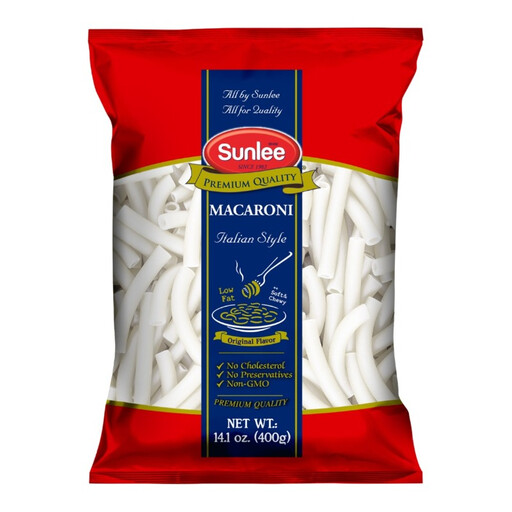 Image unavailable
Sunlee Rice Macaroni Long 400 g
A long pasta shape to consider if you’re looking for rice pasta for vegan, gluten-free meals. The listing describes this product as gluten-free and suitable for vegans; check the pack if you’re also looking for the Crossed Grain symbol.
View on Joybuy
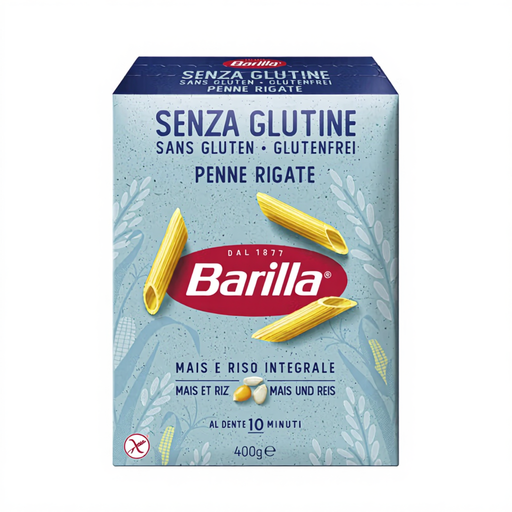 Image unavailable
Barilla Penne Rigate gluten-free 400 g
Penne rigate for anyone who prefers a familiar pasta shape. This product is described as gluten-free; if you follow a strict vegan diet, check the ingredients and claims on the pack. Barilla says its range carries the Crossed Grain symbol, so check that it’s on this product.
View on Joybuy
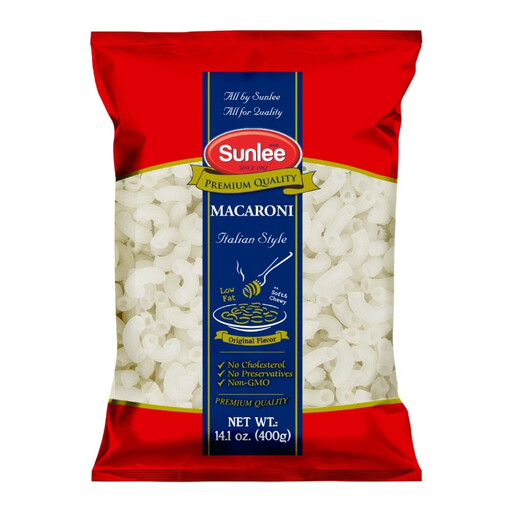 Image unavailable
Sunlee Rice Macaroni Short 400 g
A short rice macaroni shape to consider for dishes that call for short pasta. The product is described as gluten-free; check the information on the pack before choosing it for a strict vegan diet.
View on Joybuy
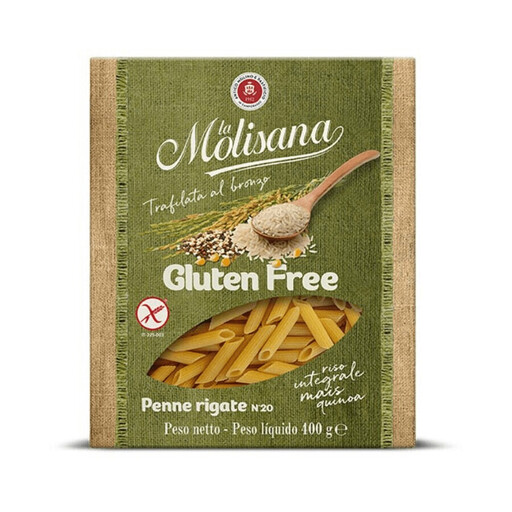 Image unavailable
La Molisana Penne Rigate N°020 gluten-free
Another penne rigate option described as gluten-free. If you follow a strict vegan diet, check the source of the E471 emulsifier listed for this product on the packaging or with the manufacturer before deciding whether it’s suitable.
View on Joybuy
Frequently asked questions
What does the “gluten-free” label guarantee for someone with coeliac disease?
It means the product meets the threshold for this claim: less than 20 mg of gluten per kilogram, according to AFDIAG. Check that the claim appears on the pack you buy; the Crossed Grain symbol can provide the additional checks described by AFDIAG, but you also need to avoid cross-contamination when preparing the food.
Is gluten-free pasta always vegan?
No: “gluten-free” doesn’t tell you where all the ingredients come from. If you follow a strict vegan diet, look for a vegan claim on the product or ask the manufacturer to confirm if the source of an additive is unclear.
Can you cook gluten-free pasta in the water used for wheat pasta?
No, not if it’s for someone with coeliac disease: use water that hasn’t been used to cook foods containing gluten. AFDIAG also recommends preventing cross-contamination from utensils and food preparation surfaces.


