Vegans who check ingredients carefully
You want to avoid milk and milk fats, even in a bar described as dark or plant-based. The ingredients list for the exact variant is your first port of call.


When shopping vegan, first choose a recipe with no declared animal-derived ingredients. Neither the word “dark” nor a high cocoa percentage is enough to guarantee this. Then choose dark chocolate if you’re after a more pronounced cocoa flavour, or a plant-based milk-style bar if you prefer that kind of recipe. If you have a milk allergy, check any “may contain traces” information separately.
You want to avoid milk and milk fats, even in a bar described as dark or plant-based. The ingredients list for the exact variant is your first port of call.
You’re looking for a dark chocolate bar with a cocoa percentage that suits your taste. This figure can help you choose the flavour profile you want, but it doesn’t tell you on its own whether the bar contains animal-derived ingredients.
You’d rather have a plant-based milk-style recipe than a full-bodied dark chocolate. Check its ingredients and, if milk allergy is also a concern, any “may contain traces” information.
When shopping vegan, start with the ingredients for the exact product, then compare recipes based on the flavour you’re after and the nutritional information that matters to you.
| What to consider | What to check | Who is this for? |
|---|---|---|
| Dairy ingredients | Read the ingredients list for the exact variant and look out for milk and milk fat in particular. | When I’m shopping vegan, I want to rule out a bar as soon as its recipe includes a dairy ingredient, even if it’s labelled “dark”; around 36% of consumers put this first. |
| Cocoa flavour | Compare the stated cocoa percentage and choose according to how much bitterness you enjoy. | I’m mainly looking for dark chocolate with a pronounced cocoa flavour and don’t mind if it’s more bitter; for around 29% of consumers, this intensity is the top priority. |
| Milk-style recipe | Check the plant-based ingredients and, if necessary, any “may contain traces of milk” information. | If I prefer a plant-based milk-style alternative, the recipe matters more to me than finding a full-bodied dark chocolate; around 21% of consumers put this preference first. |
| Nutritional information | Compare sugars and fat per 100 g in particular, and check the Nutri-Score if one is shown. | When comparing similar recipes, I want to read their nutritional values without judging a product on just one figure; around 14% of consumers prioritise this comparison. |
A dark chocolate bar can contain milk fat. Carrefour’s product page for Alter Eco dark chocolate with hazelnuts lists it among the ingredients.
Before you buy, check the ingredients list for the specific bar rather than relying on its name alone.
A recipe with no declared milk can still carry a “may contain traces of milk” warning. Carrefour includes one on the product page for a Dardenne plant-based bar, for example. This distinction is particularly important if you’re also buying with an allergy in mind.
Check the ingredients first when making a vegan choice, then look separately at any trace warnings that are relevant to you.
The percentage can help you choose a flavour profile, but it doesn’t confirm that the product is milk-free or tell you its nutritional values. In its advice on dark chocolate, Lindt notes that cocoa contents of 85% or 90% can come with a bitter taste.
Check the ingredients and nutritional information for the product you’re considering, too.
Article 1613 ter of the General Tax Code, published by Légifrance, applies to drinks and liquid preparations for making drinks, not solid chocolate bars.
When comparing chocolate bars, look at their ingredients and nutritional values rather than this tax.
Alter Eco says its dark chocolate with almond pieces contains no animal-derived ingredients and has at least 60% cocoa.
Carrefour’s product page describes a Dardenne plant-based milk-style bar made with ingredients including coconut sugar, hazelnut, almond and at least 58% cocoa.
iChoc describes its Planty Classic bar as a creamy plant-based recipe made, according to the brand, with organic and vegan ingredients.
These options include two dark chocolate bars and a dark chocolate snack. When shopping vegan, compare their format and recipe, then check the label for the ingredients in your chosen variant.
 Image unavailable
Worth considering if you’re looking for a bar with a stated cocoa percentage. The ingredients list provided doesn’t mention milk or milk fat, but the source of the natural flavouring still needs to be confirmed if you want to make a fully vegan choice.
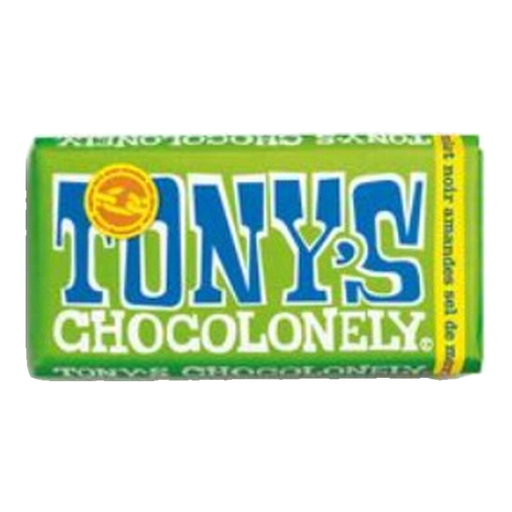 Image unavailable
Worth considering if you prefer a dark chocolate bar with almonds and sea salt. The ingredients list provided doesn’t mention milk or milk fat. Check the label for this variant to make sure it suits your vegan choice, and check its cocoa percentage if you’re looking for a particular amount.
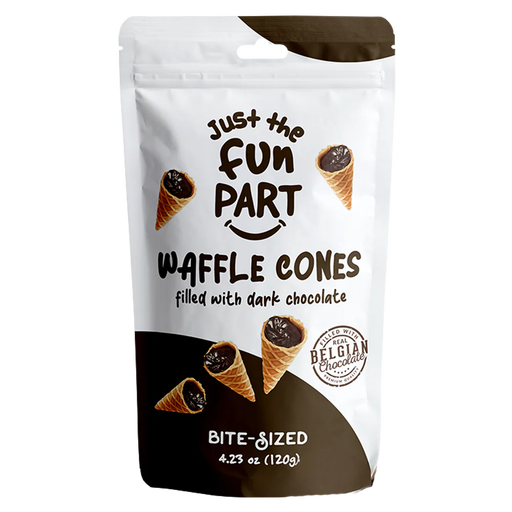 Image unavailable
Worth considering if you’re after a dark chocolate-coated snack rather than a bar. The ingredients list provided doesn’t mention milk or milk fat, but check the source of the flavouring to make sure it suits your vegan choice, and check the cocoa content if that’s important to you.
No. Carrefour’s product page for Alter Eco dark chocolate with hazelnuts lists milk fat. Read the ingredients for the exact bar before choosing it for vegan shopping.
This warning doesn’t mean milk is listed as an ingredient in the recipe, but it shouldn’t be taken as a guarantee that the product is milk-free. If you have an allergy, consider the warning separately from the product’s vegan positioning.
No. Santé publique France says that displaying it is voluntary. If it appears, you can use it alongside the nutritional information, including the values given per 100 g.
No. Article 1613 ter of the General Tax Code, published by Légifrance, applies to drinks and liquid preparations for making drinks; solid chocolate bars are not covered.