For a vegan shop in France, a 0% drinking yoghurt is not a substitute for a plant-based drink: according to Légifrance, the term ‘yoghurt’ refers to fermented milk. Look for a drink whose ingredients suit your shopping basket, then check its fat content separately per 100 ml. Regulation (EC) No 1924/2006 sets a limit of 1.5 g per 100 ml for a ‘low fat’ claim on a drink; a claim about sugars or saturated fat does not meet the same criterion.
Who is this choice for?
People putting together a vegan shopping basket
You’re looking for a ready-to-drink option and want to avoid mistakenly choosing a 0% dairy yoghurt. The product name, ingredients list and allergens for the exact product matter more than where it sits on the shelf. Légifrance reserves the term ‘yoghurt’ for fermented milk.
People keeping an eye on total fat
You want to distinguish fat content from claims about sugars or saturated fat. For a drink, compare the value per 100 ml with the 1.5 g per 100 ml limit for the ‘low fat’ claim set out in Regulation (EC) No 1924/2006.
People open to an unflavoured plant-based drink
You’d be happy to choose a soya drink instead of a drinking yoghurt, while recognising that they’re two different categories. Carrefour, Auchan and E.Leclerc list soya products; compare the recipe, nutritional values and availability of the one you’re interested in.
Which criteria should you check first?
For a vegan shop, first check the category and ingredients of the drink. Then look at total fat per 100 ml, rather than assuming it from a claim about another nutrient.
| Criterion |
What to check |
Who is it for? |
| Vegan ingredients |
Check the product name and ingredients list for the item you choose. In France, according to Légifrance, the term ‘yoghurt’ refers to fermented milk. |
I want a drink for a vegan shopping basket, without mistaking a 0% dairy yoghurt for a plant-based product. Around 36% of consumers would put this check at the top of their list. |
| Total fat |
Read the value per 100 ml. Under Regulation (EC) No 1924/2006, the limit for a ‘low fat’ claim is 1.5 g per 100 ml of drink. |
If my main aim is to limit total fat, a ‘sugar-free’ claim isn’t enough to make a decision. This would be the top priority for around 29% of consumers. |
| Sugars, protein and recipe |
Compare sugars, protein and fat separately per 100 ml, as well as the ingredients that set each recipe apart. |
For breakfast or a snack, I might prefer an unflavoured recipe and want to know its sugar and protein content, without assuming its fat content. Around 21% of consumers would make this comparison their priority. |
| Availability and pack size |
Check the pack size and whether the product is available from your chosen shop or collection service. |
When I’m planning my shop, I need a suitable pack size and a product I can actually collect or find in store. Around 14% of consumers would put this first. |
Common misconceptions to avoid
-
Assuming ‘sugar-free’ means ‘low fat’
The two claims relate to different nutrients. Auchan’s listing for Bjorg sugar-free soya drink shows 2.6 g of fat per 100 ml, above the 1.5 g per 100 ml limit for a ‘low fat’ claim on a drink.
Check the ‘fat’ line per 100 ml before looking at sugars and protein.
-
Assuming a 0% drinking yoghurt is vegan
‘0%’ tells you about the fat content, not where the ingredients come from. According to Légifrance, the term ‘yoghurt’ is reserved for fermented milk; Carrefour, for example, lists 0% drinking yoghurts in this aisle.
For a vegan shopping basket, look for a plant-based drink, then check the ingredients of the exact product.
-
Confusing saturated fat with total fat
Saturated fat makes up only part of the total fat. A claim about saturated fat alone therefore doesn’t tell you the total fat content of a drink.
If it’s one of your selection criteria, look for the ‘fat’ value per 100 ml.
-
Assuming a listed product will be available locally
A product listing doesn’t guarantee that the drink will be available at your chosen shop or through your collection service. E.Leclerc, for example, advises customers to check with their store about certain products.
Confirm the product and pack size with your chosen shop before you travel.
Checking in advance can save you a trip for a product that isn’t available.
Brands to compare
These brands offer a starting point for comparing specific plant-based drinks. The composition and nutritional values of their products can vary.
Alpro
Carrefour lists several Alpro soya drinks in its dedicated plant-based drinks aisle.
- The range of recipes gives you options when looking for a soya drink to suit your taste.
- The brand name alone doesn’t tell you the fat content or ingredients of the particular variety you choose.
Sojasun
On its website, Sojasun distinguishes its plant-based drinks from its plant-based desserts.
- This distinction helps you find a drink rather than a dessert to eat with a spoon.
- Don’t assume that the ingredients or nutritional values of a dessert also apply to a Sojasun drink.
Carrefour Bio
Carrefour lists an organic, unflavoured soya drink under its Carrefour Bio brand.
- The product listing gives the ingredients and 2.1 g of fat per 100 g, which are useful details when assessing this product.
- This value per 100 g shouldn’t be compared directly with the 1.5 g per 100 ml limit for a drink without using an equivalent basis.
Bio Village
E.Leclerc lists a 1 L Bio Village organic soya drink that is unflavoured and has no added sugars.
- The listing shows sugars, protein and fat separately; it gives a fat content of 1.8 g per 100 ml.
- This is above the 1.5 g per 100 ml limit for a ‘low fat’ claim on a drink. Check availability with your E.Leclerc store too.
Auchan
Auchan lists a soya-based plant drink under its own brand.
- The listing describes a soya-based recipe and gives its fat content, making it easier to compare this product.
- The ‘vegetarian’ label on the listing doesn’t, on its own, confirm that the product is vegan. Check the packaging and ingredients list.
Drinks to consider on Joybuy
These ready-to-drink options include oat, soya, fruit and aloe vera recipes. They aren’t drinking yoghurts, and they don’t all serve the same purpose. If you’re choosing for a vegan shopping basket and keeping an eye on fat, check the ingredients and nutritional information on the packaging of each variety before you buy.
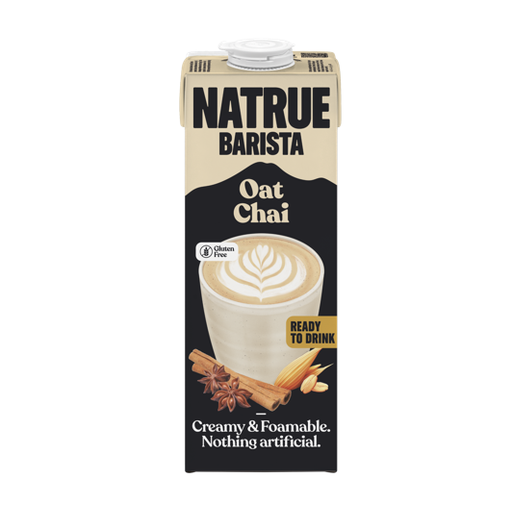 Image unavailable
NATRUE Chai Latte Oat Drink 1 L
Worth considering if you’d prefer a ready-to-drink oat option to a dairy yoghurt. The listed pack size is 1 L; check the ingredients, allergens and fat per 100 ml on the variety you receive.
View on Joybuy
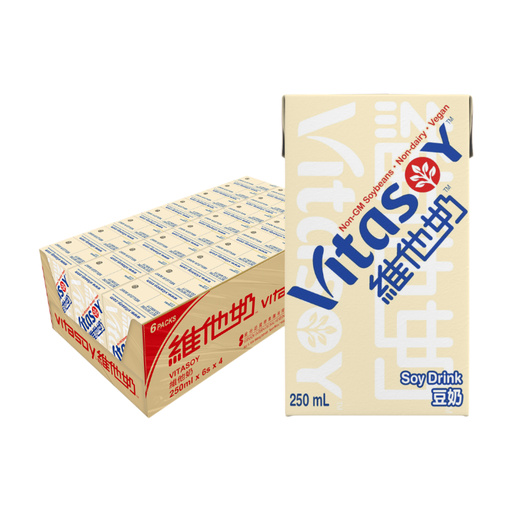 Image unavailable
VITASOY REGULAR 24 × 250 ml
The pack of 24 250 ml portions could suit you if you prefer individual servings. Check the packaging for the ingredients list, allergens and fat per 100 ml; pack size doesn’t tell you about these factors.
View on Joybuy
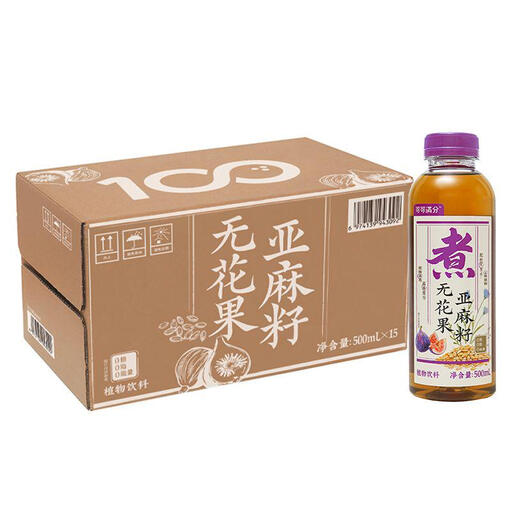 Image unavailable
COCO 100 Fig Flaxseed Drink 15 × 500 ml
This fig and flaxseed drink is another type of drink to consider if you’re not specifically looking for a soya or oat recipe. The listed pack contains 15 500 ml bottles; check the ingredients and nutritional information for the product you receive.
View on Joybuy
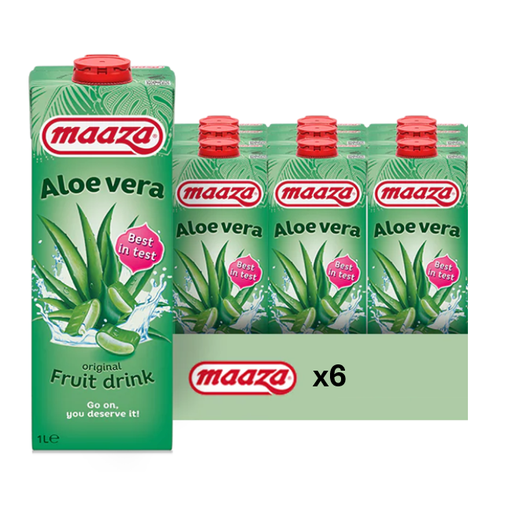 Image unavailable
Maaza Aloe Vera Drink 6 × 1 L
Worth considering if you’re looking for an aloe vera drink rather than a soya, oat or yoghurt-style option. The listed pack contains 6 × 1 L containers; check that this volume suits you, and read the ingredients as well as the sugar and fat content on the packaging.
View on Joybuy
Frequently asked questions
Is a 0% drinking yoghurt suitable for a vegan shop?
No. ‘0%’ refers to the fat content and doesn’t make the yoghurt plant-based. In France, according to Légifrance, the term ‘yoghurt’ is reserved for fermented milk. For a vegan shopping basket, look for a plant-based drink and check its ingredients.
How can I check whether a plant-based drink is low in fat?
Read the ‘fat’ line per 100 ml: Regulation (EC) No 1924/2006 sets a maximum of 1.5 g per 100 ml of liquid for a ‘low fat’ claim. A claim about sugars or saturated fat doesn’t replace this value.
Is a sugar-free soya drink also low in fat?
Not necessarily. Auchan’s listing for Bjorg sugar-free drink shows 2.6 g of fat per 100 ml; E.Leclerc’s listing for Bio Village with no added sugars shows 1.8 g per 100 ml. Always compare the two nutritional values separately.
What should I read on the label before choosing?
Check the product name, ingredients list, highlighted allergens and nutritional information for the exact product. The DGCCRF highlights the importance of this information on prepacked foods; for this choice, pay particular attention to fat per 100 ml.


