
Livraison le jour même ou le lendemain

Qualité garantie

Débloquez vos offres de bienvenue: Livraison GRATUITE | Jusqu'à -80 % | 30 jours d'essai gratuits à JoyPlus
Téléchargez l'application
An elegant vase or a well-chosen planter can transform an interior. Conversely, a poor purchase can quickly become a headache. An outdoor flower pot that cracks at the first frost, a unique indoor planter that leaves water rings on your hardwood floors, or that sleek designer vase so slender it tips over at the slightest breeze... Do these scenarios sound familiar? To help you make the right choice, our guide breaks down the most common pitfalls and the technical criteria you should never overlook.
Before you fall for a design, watch out for these flaws that are often invisible at first glance.
ceramic vase or an artisanal planter can turn out to be porous. Without a complete and perfectly waterproof interior glaze, moisture seeps through and eventually leaves rings on your wooden furniture, parquet floors, or windowsills.vase for pampas grass or long stems, often suffer from a base that is too narrow or a weight that is too light. They pose a constant hazard, ready to topple over with the slightest bump, especially in high-traffic areas or around children and pets.To make an informed choice, here are the three technical parameters that will make all the difference in terms of durability and daily use.
The choice of material influences both style and function.
ceramic vase interior should be reserved exclusively for dried flowers.hand-blown glass vase is a work of art that beautifully captures light. Its transparency is ideal for floral arrangements or plant cuttings. Check its thickness, especially for larger models, to ensure its sturdiness.designer planter or a frost-resistant flower pot, these new-generation materials combine lightness, durability, and excellent resistance to both UV rays and impacts. They are the ultimate smart and eco-friendly choice for the outdoors.For plants, water management is crucial.
outdoor flower pot must have a drainage hole to release excess water from watering or rain and prevent root rot. Some models offer a removable plug, a versatile solution that allows for a seamless transition from outdoor to indoor use.Stability relies on a simple balance: the ratio between the height, the width of the base, and the weight of the vase. For tall or voluminous bouquets, opt for a model with a wide base and substantial weight (plan for at least 2 kg for a large vase). The goal is a low centre of gravity to prevent any risk of tipping.
Here are a few gems that check all the boxes for very specific needs.
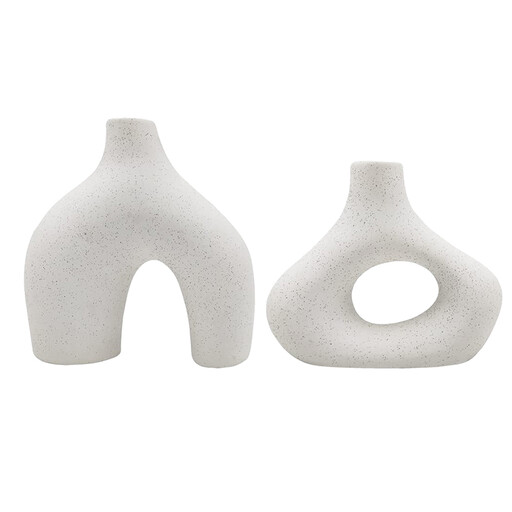
Why we chose it: Perfect for those looking to inject a touch of boho decor into their home. The hollow design and irregular shape provide an artisanal and contemporary feel, ideal for dried flowers or as standalone decorative objects.
The manufacturer guarantees a waterproof interior coating. Say goodbye to the porosity pitfall! It can hold fresh flowers without the risk of staining your furniture.
The set of vases format in different sizes allows you to instantly create a harmonious and graphic duo on a shelf or console table.
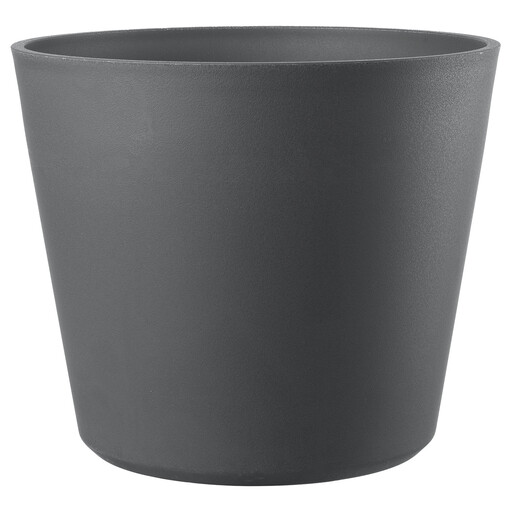
Why we chose it: The perfect ally for balconies and terraces. This robust and reliable outdoor flower pot, made from recycled materials, combines a minimalist design with a genuine ecological commitment.
Its composition makes it inherently frost-resistant and UV-resistant. It won't crack in the cold, and its colour won't fade in the sun. It sidesteps the trap of "outdoor" pots that only last one season.
Its removable plug is a clever feature for custom drainage management. This allows it to be used outdoors (with drainage) or indoors as a cachepot (without drainage).
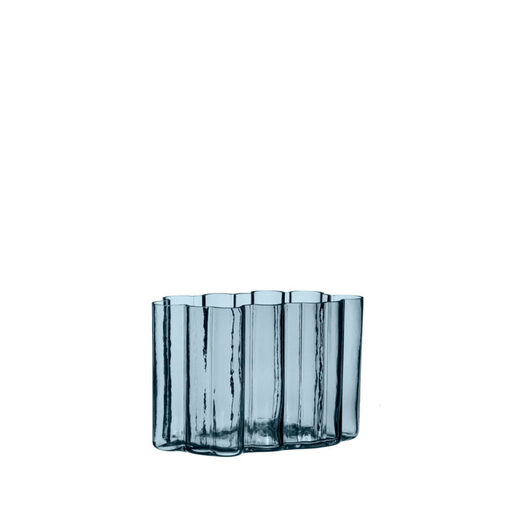
Why we chose it: This is the ultimate centrepiece for those who love sculptural objects. This large hand-blown glass vase is a true work of art, capable of elevating an XXL bouquet or commanding a space all on its own.
Its 2.5 kg weight and wide base ensure rock-solid stability. Say goodbye to the top-heavy vase syndrome that threatens to tip over!
Each mouth-blown piece is unique. The unexpected bonus: it's dishwasher-safe, a rare practical detail for an artisanal object of this scale.
Explore our full collection of products that meet our standards for quality and durability.
Trust the material more than the label. High-quality polypropylene, fiberstone, or certain ceramics fired at very high temperatures (porcelain stoneware) are generally reliable. Conversely, be wary of classic terracotta or low-end ceramics. Being porous, they absorb water, which then expands upon freezing and causes them to shatter.
Absolutely not! This is a rookie mistake that can be fatal to your plant. A cachepot, as the name implies, is a decorative cover. The plant must remain in its original nursery pot (the plastic one with holes), which is then placed inside the cachepot. This technique allows you to remove the plant for watering, let the excess water drain, and then put it back. It's the only way to prevent root suffocation.
For glass, even artisanal pieces, the combination of warm water and white vinegar is unbeatable against limescale marks. For matte ceramic, which is more susceptible to stains, use a soft sponge with a little black soap or diluted baking soda. Avoid abrasive sponges, which could permanently scratch the surface.