Livraison le jour même ou le lendemain

Qualité garantie

Débloquez vos offres de bienvenue: Livraison GRATUITE | Jusqu'à -80 % | 30 jours d'essai gratuits à JoyPlus
Téléchargez l'application
The first act of the morning is often the quietest. It's a suspended moment, before the day's rhythm takes hold. In the soft light filtering through the kitchen window, preparing a hot drink becomes a mindful act. It's not just about boiling water; it's about crafting a pause, creating a moment of clarity for yourself.
Yet, for too long, we have overlooked a crucial parameter in this ritual: temperature. We've grown accustomed to subjecting delicate tea leaves and precious coffee grounds to the same aggressive 100°C heat, ignoring the subtlety of their aromas. It's like listening to a symphony at a single volume, losing all the nuances that create its richness.
Mastering temperature is not a purist's whim, but an accessible science that transforms the tasting experience. Every type of tea, every coffee method, has its ideal brewing temperature—one that unlocks the best of its flavours without extracting bitterness or astringency.
A Japanese green tea, like sencha or gyokuro, reveals its vegetal sweetness and umami notes when infused in water between 70 and 80°C. Boiling water would burn its fragile leaves, producing a harsh and disappointing brew. White teas, even more delicate, flourish around 85°C. Conversely, a robust black tea or a herbal infusion requires simmering water, near 95°C, to extract the full depth of its character.
The world of specialty coffee shares this same philosophy of precision. For a pour-over method like the V60 or Chemex, a controlled temperature between 90 and 96°C is crucial. It ensures a balanced extraction that highlights the fruity acidity, body, and aromatic notes unique to each bean. This is where the variable temperature electric kettle ceases to be a simple appliance and becomes a precision instrument—a bridge between gesture and taste.
Integrating such a tool into the kitchen shouldn't come at the expense of visual harmony. Contemporary models blend functional intelligence with a clean aesthetic. A digital kettle is no longer a mere gadget, but a discreet companion that brings serenity to the ritual. Some models, like the Midea kettle with temperature setting, offer a selection range from 40°C to 100°C. This versatility meets the varied needs of a household: lukewarm water for a baby bottle, a gentle temperature for a delicate tea, or a rapid boil for cooking pasta. Its double-wall construction, which keeps the exterior cool to the touch, is a design detail that shows a focus on safety and user comfort.
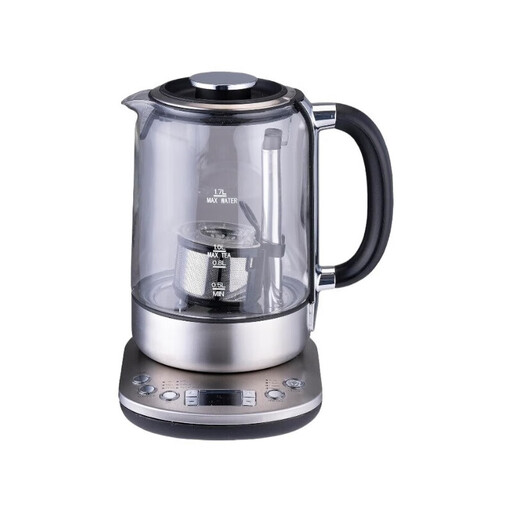
The choice of materials is just as fundamental. A glass kettle turns the wait into a soothing spectacle of dancing, rising bubbles. The Alpina 1.7L model combines this transparency with a removable infuser, becoming a true electric tea maker where you can watch the tea leaves unfurl. For pour-over coffee enthusiasts, control over the pour is as important as control over the heat. The Cocinare FLOW M9 and its gooseneck spout embody this pursuit of mastery, offering a slow, precise stream of water essential for a perfect infusion.
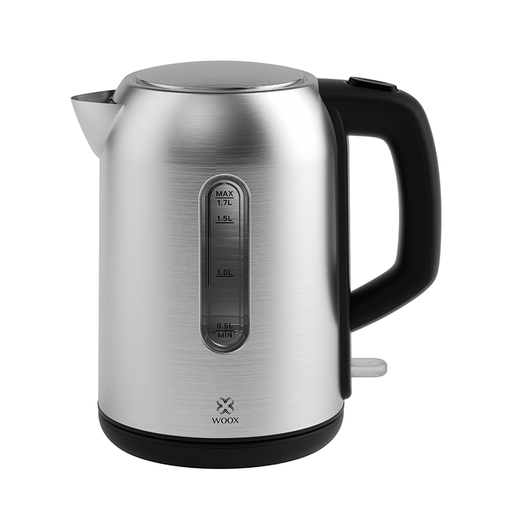
For family life, practicality remains a priority. A generous 1.7L capacity and rapid heating are undeniable assets. The keep warm function then becomes a discreet luxury on busy mornings, providing water at the ideal temperature without needing to restart a cycle. The Ochama kettle offers this feature with welcome simplicity. Finally, the durability and purity of a stainless steel kettle, guaranteed BPA-free, provide peace of mind. Models like the WOOX kettle or the more compact H.Koenig Bo12 are durable choices that preserve the taste of the water and integrate elegantly onto the countertop. Through their thoughtful design, these objects invite us to slow down and bring meaning back to our simplest gestures.
For those who wish to explore a wider selection of objects that blend aesthetics with functionality, our journal's collection of electric kettles offers further inspiration.