
Livraison le jour même ou le lendemain

Qualité garantie

Débloquez vos offres de bienvenue: Livraison GRATUITE | Jusqu'à -80 % | 30 jours d'essai gratuits à JoyPlus
Téléchargez l'application
A variable temperature kettle makes preparing tea, coffee, infusions and many recipes that need hot water much simpler. But between the wattage, the programmes and the promises of convenience, product listings don't always help you separate what matters from what's just a gimmick.
Before you place an order, three pitfalls are particularly common:
A variable temperature kettle should clearly show the heat levels available. For hot drinks, settings between 40 and 60 °C suit certain lukewarm preparations, while 70 to 90 °C increments are often sought after for different teas and coffees. The 100 °C setting remains essential for boiling water or preparing certain infusions.
Also check whether the appliance offers:
When preparing a baby bottle, always check the water temperature following the infant formula instructions and current safety recommendations. The kettle's temperature control does not replace these guidelines.
A stainless steel kettle has an opaque body that is generally easy to fit into a kitchen and durable enough for daily use. However, take the time to check which parts actually come into contact with water: the body, spout, lid and filter.
A borosilicate glass kettle lets you see the water level and boiling process. This material is designed to withstand temperature changes, but it remains sensitive to knocks, uneven surfaces and overly harsh cleaning products.
Mentions of BPA-free relate to certain plastic parts. They don't replace checking the technical specifications and instruction manual, particularly for the composition of removable accessories.
For a couple or small family, a 1.5 L capacity lets you prepare several cups. A 1.7 L model will suit repeated use or households that go through lots of hot drinks. 2200 W power generally means fast heating, but the time needed also depends on the water volume, its starting temperature and your electrical setup.
Here are the features to look for:
In the UK, use a suitable plug and avoid plugging several high-power appliances into the same extension lead. Always unplug the base before cleaning the kettle and never immerse it.
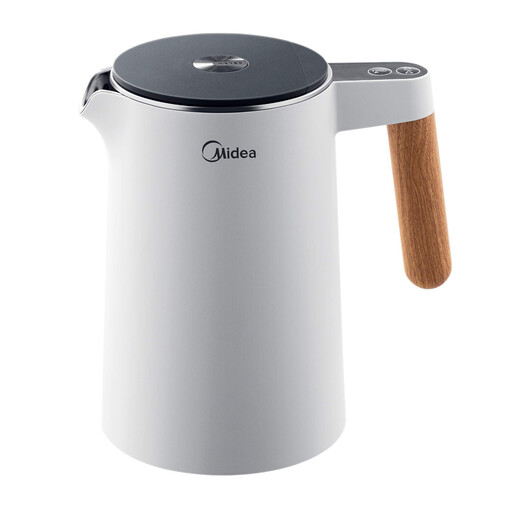
Why this choice suits this profile: Its seven temperature levels, from 45 to 100 °C, and its 1.5 L size cover everyday needs without having to buy multiple appliances.
The power isn't just for boiling water: the settings and display let you select a temperature suited to each drink.
Stainless steel body, double wall, digital display, keep warm for one hour and plastic parts stated as BPA-free.
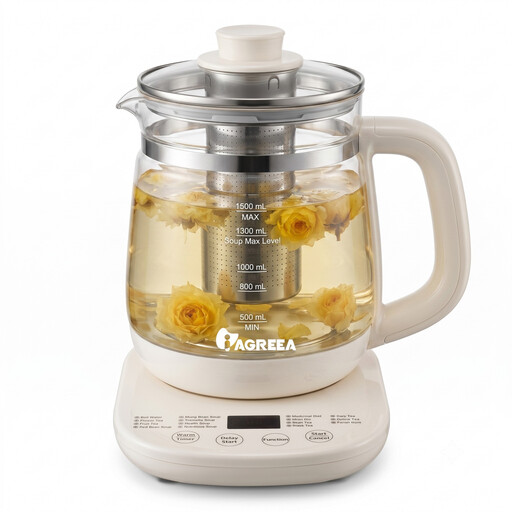
Why this choice suits this profile: This model is aimed at those looking for a multifunction kettle with dedicated programmes for teas, infusions and hot drinks.
The listing mentions a wide opening and removable parts, two features that make rinsing the glass and infuser easier.
Borosilicate glass, 304 stainless steel infuser, 14 programmes, six constant temperatures from 40 to 90 °C, delayed start and keep warm.
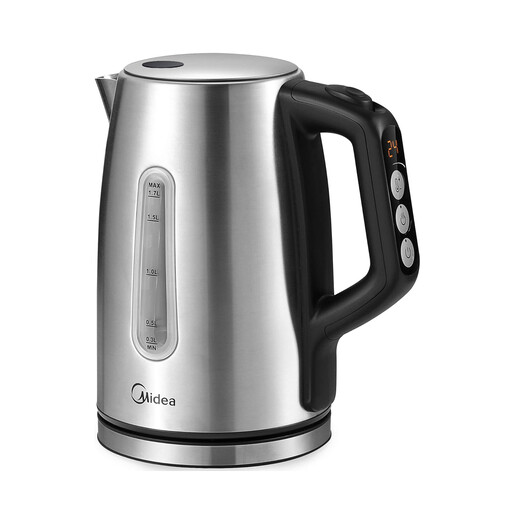
Why this choice suits this profile: Its generous capacity and 2200 W power are ideal for families and users who serve several cups in a row.
The water level window helps avoid filling the kettle more than necessary, while the dry-boil protection improves everyday safety.
Six increments from 40 to 100 °C, keep warm for 60 minutes, limescale filter and Strix thermostat as stated by the brand.
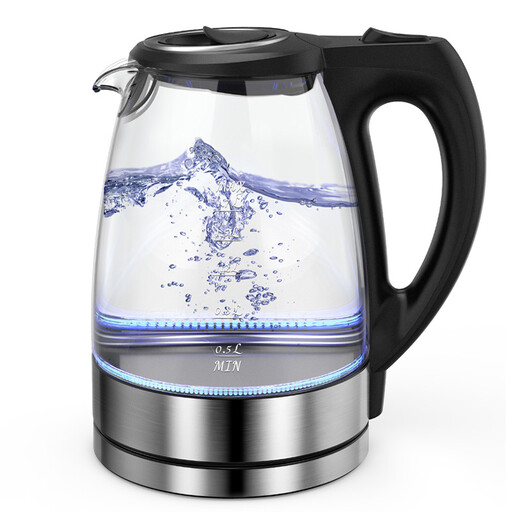
Why this choice suits this profile: Its transparent body and large capacity make it easy to monitor the water and prepare several tea-based drinks.
The listing mentions a built-in filter, dry-boil protection and a swivel base: three useful features for everyday use.
Stated power up to 2200 W, borosilicate glass, 304 stainless steel heating plate, automatic shut-off and 1.7 L capacity.
We've put together a comprehensive list, updated in real time, of products that fully meet these demanding selection criteria and European safety regulations.
To keep a variable temperature kettle performing well, empty any leftover water after each use and descale the body regularly following the instructions in the manual. Limescale can slow down heating and reduce the actual usable volume. Only heating the amount you need also helps limit electricity consumption, regardless of the appliance's power.
Do not use any liquids other than those approved by the manufacturer. Some multifunction models accept infusions or specific preparations, while others are designed exclusively for heating water. It's worth checking this distinction before you buy.
Consumption mainly depends on the volume of water heated, its starting temperature and the temperature you set. Heating a single cup to 80 °C can use less energy than bringing 1.5 L to the boil, even with a kettle that has a high wattage.
A 1.5 L capacity is enough for several cups while keeping a reasonable footprint. For frequent use or a large family, a 1.7 L model offers more leeway. However, avoid exceeding the MAX mark.
The duration varies between models. The products featured here offer a keep warm function of up to 60 minutes, while some multifunction appliances promise a longer time. Check the manual and bear in mind that keeping water warm uses electricity.