
Livraison le jour même ou le lendemain

Qualité garantie

Débloquez vos offres de bienvenue: Livraison GRATUITE | Jusqu'à -80 % | 30 jours d'essai gratuits à JoyPlus
Téléchargez l'application
A variable temperature kettle can make preparing tea, coffee, hot water or certain recipes much simpler. But you need to choose a model that suits your habits. A temperature described as "precise", a large capacity or a keep-warm function can sometimes hide a few everyday limitations.
Here are the criteria to consider before buying, along with a selection designed for different types of users in the UK.
A power rating of 2,200 W speeds up heating, but it doesn't guarantee accurate temperature control. For green tea, coffee or any preparation that needs cooler water, check how many temperature settings are available and the range of adjustment.
A model offering six or seven clearly marked temperatures will generally be more practical than a kettle with a simple "hot" or "boil" control.
A 1.5 L kettle is often suitable for a couple, a small family or moderate daily use. A 1.7 L kettle is better for making several cups at once, but it also takes up more space and needs more water to heat.
However, avoid always filling the tank to maximum for just one cup. That extra water lengthens the heating time and increases electricity consumption.
The keep-warm function can be very handy on busy mornings, during repeated breaks or for certain preparations that need water at a controlled temperature. However, its duration varies a lot from one model to another: some specs say one hour, others several.
A longer keep-warm time doesn't necessarily mean the water stays exactly at the displayed temperature. For a baby's feed, always check the temperature before use and follow the recommendations on the relevant products.
For versatile use, look for:
A temperature between 40 and 60 °C can work for certain drinks or preparations, while a setting of 70 to 90 °C is often preferred by tea lovers. Boiling temperature is still useful for water used in cooking or for drinks that need very hot water.
A borosilicate glass kettle lets you see the water level and watch the heating process. This material is designed to withstand temperature changes, but the tank stays very hot: always hold the appliance by its handle.
A stainless steel kettle is opaque, but it usually offers a sleek look and good durability for everyday use. In both cases, check:
If you live in a hard water area, a removable filter and easy maintenance will save you time.
Dry-boil protection, automatic shut-off and boil detection are features to look for. An insulated handle, a stable base and good splash protection are also worth having.
Before ordering, check for instructions in English, the manufacturer's or EU responsible person's contact details, and the CE marking where required. These don't replace common-sense precautions: never immerse the base in water, don't exceed the maximum fill level, and let the appliance cool down before cleaning it.

Why this choice suits this profile: Its 1.7 L capacity works well for households that want to make several cups in one go, without complicating everyday life.
The spec mentions dry-boil protection and automatic shut-off, two features to check before buying an entry-level model.
Borosilicate glass tank, 2,200 W power, blue illumination and 1.7 L capacity.
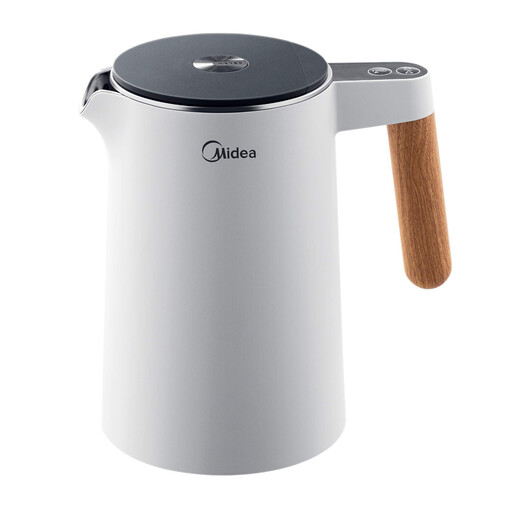
Why this choice suits this profile: This model combines a stainless steel tank, seven temperature levels and a double-wall design, ideal for regular family use.
The stated temperatures, from 45 to 100 °C, are shown on the display, which avoids guesswork settings.
2,200 W power, keep-warm function stated for one hour and double-wall construction.
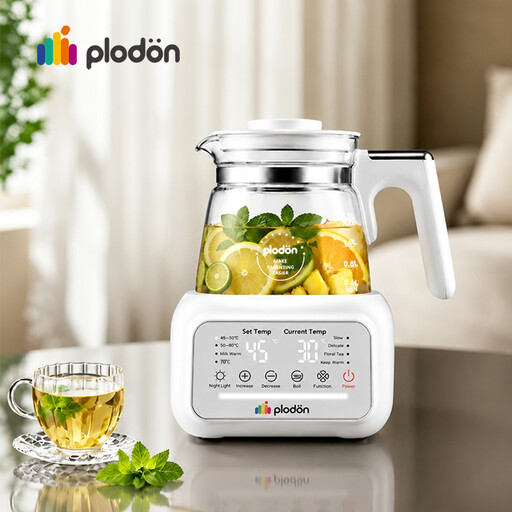
Why this choice suits this profile: Its dedicated modes for tea, milk, hot water and dechlorination adapt to the varied habits of a busy household.
The touchscreen, temporary programme memory and stated cooling function make repeated use easier, without replacing the need for supervision when preparing a baby's feed.
Borosilicate glass, LCD screen, milk and tea modes, plus temperature maintenance stated for 72 hours according to the product spec.
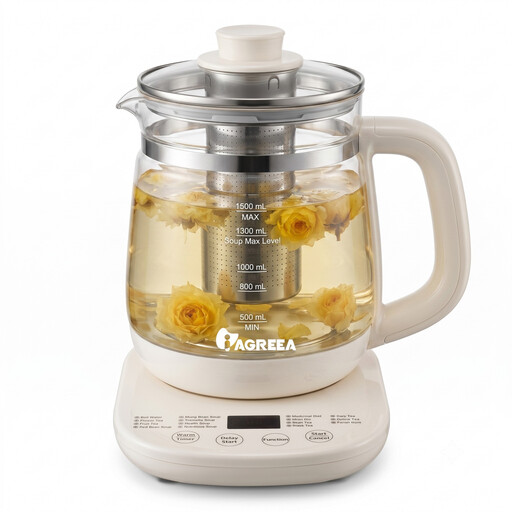
Why this choice suits this profile: Its many programmes and removable stainless steel infuser will suit households that regularly prepare teas, herbal infusions and hot drinks.
The wide opening and removable parts make cleaning easy, a point not to overlook when the appliance heats something other than water.
14 stated programmes, six constant temperatures from 40 to 90 °C and a 304 stainless steel infuser.
We've put together a comprehensive, real-time updated selection of products that meet these strict criteria as well as European safety requirements.
It all depends on the drink and your personal taste. A setting around 70 to 80 °C is often preferred for certain teas, while coffee sometimes needs hotter water. Refer to the recommendations that come with your tea, coffee or brewing method.
Consumption varies depending on the power dedicated to keep-warm, the programmed duration and the tank's insulation. To avoid an unnecessarily high bill, choose a duration that suits your habits and don't keep a large amount of hot water when you're not using it.
No. Many models are designed only for heating water. If the product spec mentions a milk mode or a specific function, check the limits stated in the instructions carefully. After heating a liquid other than water, clean the appliance according to the manufacturer's instructions.