
Livraison le jour même ou le lendemain

Qualité garantie

Débloquez vos offres de bienvenue: Livraison GRATUITE | Jusqu'à -80 % | 30 jours d'essai gratuits à JoyPlus
Téléchargez l'application
A vanilla syrup is all it takes to transform a coffee, cold drink or pastry in just a few seconds. However, not all vanilla-flavoured products are the same or suited to the same uses. From bottles designed for bars to dessert preparations and vanilla sugar, relying solely on the price or the word ‘vanilla’ on the label can lead to an unsuitable purchase.
Vanilla syrup is generally a liquid preparation made from sugar and water, designed to be added to a drink or recipe. Food-grade vanilla flavouring is primarily used to flavour a preparation, while sweetened liquid vanilla may have a different composition and sweetening power.
Vanilla sugar, on the other hand, comes in a dry form. It is suitable for cake batters, creams and desserts, but does not dissolve in the same way in an iced coffee or cocktail. Before ordering, check the product’s texture and how it is intended to be used.
A 70 cl vanilla syrup for coffee may seem better value than a one-litre bottle, but the true cost also depends on the dosage. Conversely, a one-litre vanilla syrup can be a sensible choice for a large family, a coffee machine used every day or a catering business, provided it can be stored correctly after opening.
Syrups are naturally sweet products. For guidance, the Teisseire syrup featured here provides 343 kcal and 80 g of sugars per 100 ml, while the Giffard syrup contains 321 kcal and 79 g of sugars per 100 ml. This information is shown on the product pages, but it should mainly be considered alongside the amount actually poured into a cup or recipe.
For a milky coffee, cappuccino or milkshake, choose a syrup that is easy to mix and sufficiently flavoursome to be used in small quantities. For a vanilla syrup for cocktails, fluidity and precise dosing are particularly important, especially in drinks served with ice.
When baking, take the time to read the ingredients list and look for any additives. Some products, such as the Teisseire syrup, contain caramel colouring or citric acid, for example. This is not necessarily a problem, but it may not suit every recipe. It all depends on the result you want to achieve.
A larger format is only worthwhile if you have time to finish it before the date shown on the packaging. After opening, follow the manufacturer’s recommendations. Monin syrup, for example, must be stored in the refrigerator after opening and consumed within three months, according to the information provided.
For a diluted drink, Teisseire recommends a base of one part syrup to one part water, with the dosage adjusted according to how it is used. For coffee, cocktails or desserts, start with a small amount, mix and then gradually adjust. This will help you avoid making the drink sickly sweet or masking the other flavours.
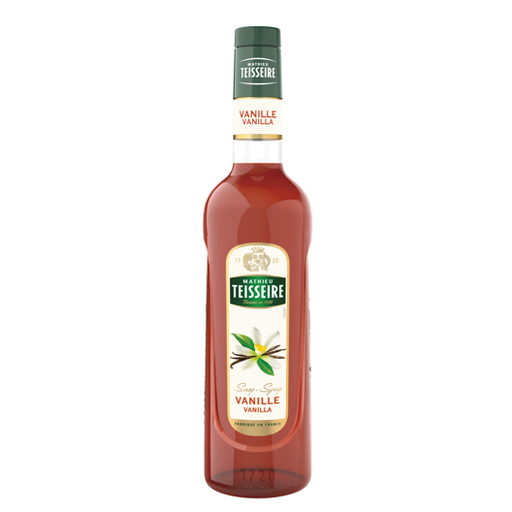
Why this choice suits this profile: Its 70 cl format is ideal for a first order and allows you to try it in a range of ways, from homemade drinks and cocktails to certain sweet recipes.
Its volume remains manageable, reducing the risk of leaving a large opened bottle at the back of a cupboard. The product page also details the ingredients and nutritional values.
0.70-litre bottle, with no declared allergens and dosage guidance for diluted drinks.
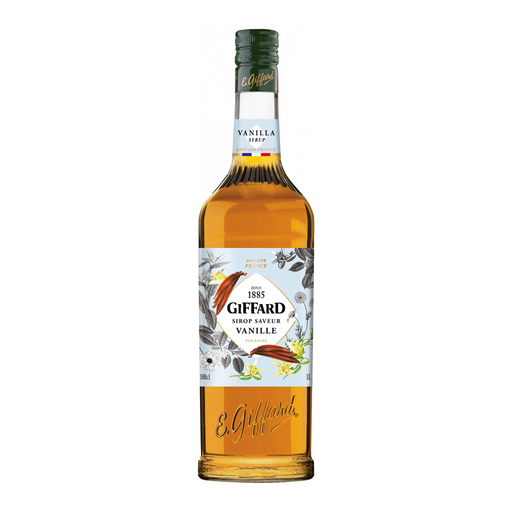
Why this choice suits this profile: Its one-litre format is aimed at enthusiasts who regularly add vanilla to their coffee, tea, cocktails or desserts.
The product page clearly states the volume, gives details of the composition and specifies the storage conditions: protected from light, in a cool, dry place.
1-litre format, stated natural vanilla flavour and no preservatives mentioned on the product page.
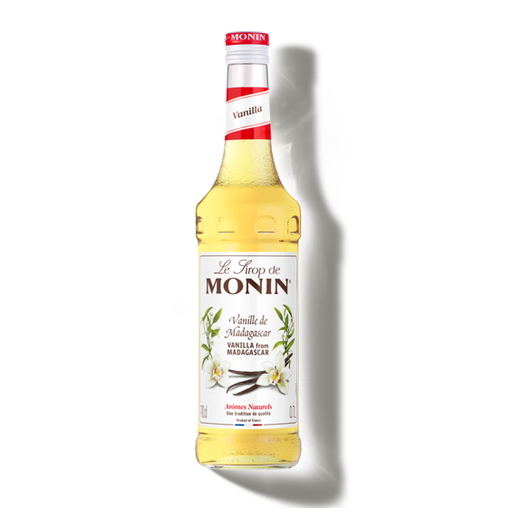
Why this choice suits this profile: It is presented as suitable for coffee, cocktails, milkshakes and desserts. This versatility is welcome for frequent use, whether at home or in a professional setting.
The instructions specify refrigeration after opening and a three-month consumption period. This makes it easier to manage your stock and prevents the bottle from being left unused.
700 ml format, multiple uses, detailed nutritional values and storage instructions after opening.
We have put together a complete, real-time updated selection of products that meet these buying criteria and European regulatory safety requirements.
Start with a small teaspoon, then adjust according to the volume of coffee, the amount of milk and how sweet you like it. There is no universal dosage: check the label and avoid pouring in a large amount all at once.
It depends on the brand and the information provided on the packaging. Where recommended, store the bottle in a clean, cool, dry place. For the Monin syrup featured here, the product page recommends storing it in the refrigerator after opening and consuming it within three months.
Yes, it can flavour a cream, batter, icing or dessert. However, it also adds sugar and liquid to the mixture. You may need to reduce the amount of sugar or another liquid specified in the recipe, depending on the result you want and the manufacturer’s instructions.