
Livraison le jour même ou le lendemain

Qualité garantie

Débloquez vos offres de bienvenue: Livraison GRATUITE | Jusqu'à -80 % | 30 jours d'essai gratuits à JoyPlus
Téléchargez l'application
Vanilla whey protein has plenty going for it: it is quick to prepare and its flavour pairs easily with a smoothie, milk or a homemade recipe. But not every product meets the same needs. A powder with a very high protein concentration will not necessarily be ideal if you are sensitive to lactose, while a large pack can quickly become awkward to transport.
Before buying a vanilla whey protein, it is therefore worth looking beyond the flavour and marketing claims. Here are the criteria to examine when comparing products available in France and choosing a formula that fits your diet, training and budget.
A 1 kg tub does not necessarily contain 1 kg of protein. The powder may also contain flavourings, thickeners, carbohydrates or fat. To compare two products, first check the line for “protein per 100 g”, followed by the amount provided per serving.
As a guide, several products featured here provide around 23 to 24 g of protein per 30 g serving. However, their overall percentage may vary depending on the recipe.
Whey isolate is a milk protein that is generally more concentrated than whey concentrate. However, the presence of an isolate alone is not enough to assess the product as a whole. Also check the ingredients list, carbohydrate and fat content, sweeteners and allergens.
A formula combining isolate, concentrate and hydrolysed isolate may be suitable for versatile use. It is not automatically suitable for every type of user.
A large tub can reduce the price per serving, but it takes up more space and may lose freshness if you only use it occasionally. For travelling, individual sachets and ready-to-drink bottles are often more practical.
Traditional whey contains milk proteins. If you are sensitive to lactose or avoid dairy products, examine the label carefully. A drink advertised as lactose-free, vanilla plant protein or another non-dairy source may better suit your habits.
Start by comparing:
A high-protein powder is not only consumed after training. It can also supplement a meal or snack when your everyday diet does not provide enough to meet your needs.
Whey concentrate, isolate and casein are not intended for exactly the same uses. Whey is often chosen because it is quick to prepare around a workout. Vanilla casein, which is thicker and generally consumed between meals or before bed, fits into a different routine.
For a plant-based diet, look for a clearly stated blend, such as pea and rice proteins. Also check for any potential allergens, including soya, milk, eggs, nuts or gluten.
Read the ingredients list in descending order of quantity. In particular, check:
Nutrition and health claims must be understood within the European regulatory framework. Protein contributes to the maintenance and development of muscle mass when combined with a varied diet and suitable physical activity. It does not replace a balanced meal and is not a medical treatment.
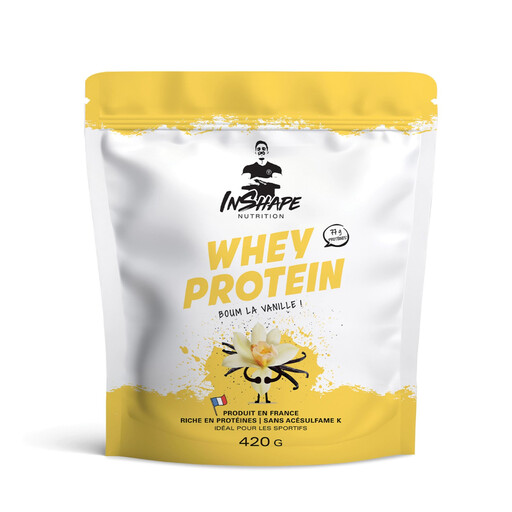
Why this choice suits this profile : At 420 g, this pack lets you get started without spending a large amount on a supplement or taking up too much cupboard space. Each 30 g serving provides 23.1 g of protein, according to the information supplied.
The product information states 77 g of protein per 100 g, along with 1.3 g of fat and 2.6 g of sugars per serving. These are precise enough figures to make a practical comparison of the formula.
A vanilla-flavoured powder that can be prepared with water or milk, made up of 94.6 % milk protein and offered by a manufacturer established in France.
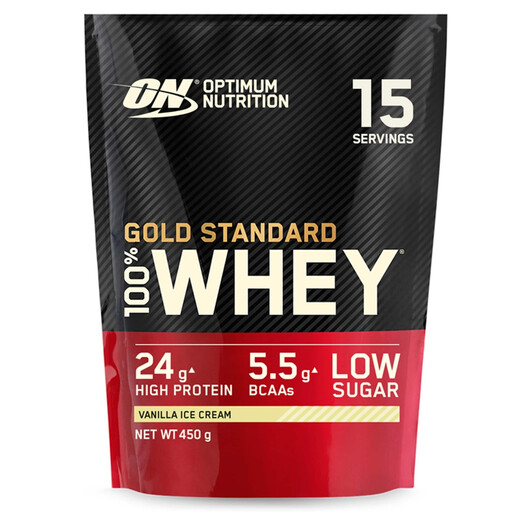
Why this choice suits this profile : This product is aimed at athletes who want a well-known whey formula, a clearly stated dosage and a mid-sized pack containing 15 servings.
The nutritional information states 24 g of protein and 1 g of sugars per serving of approximately 30 g. This makes it possible to check the composition rather than focusing solely on the flavour.
A blend of whey isolate, concentrate and hydrolysed isolate, with 5.5 g of BCAAs stated per serving.
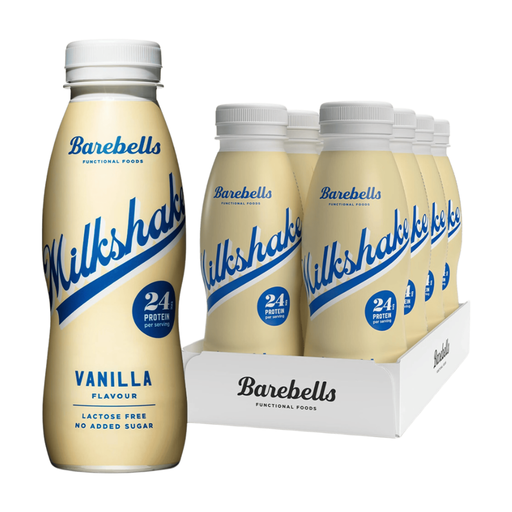
Why this choice suits this profile : This ready-to-drink beverage is ideal for those juggling work, the gym and travel without wanting to take out a shaker.
The dosage is clearly stated : 24 g of protein per 330 ml bottle. The product information also mentions a lactose-free formula with no added sugar.
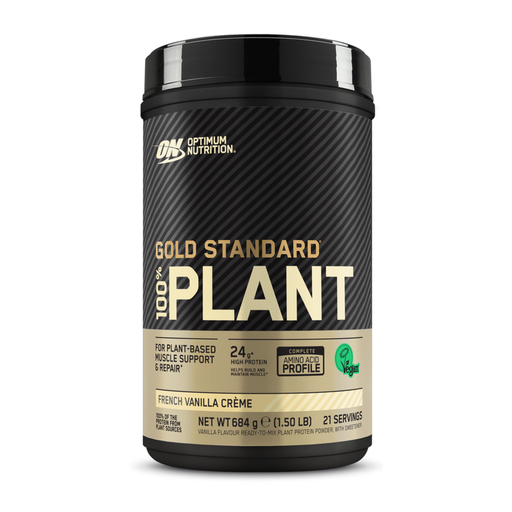
Why this choice suits this profile : This powder fits easily into a plant-based diet and is suitable for people who want to avoid dairy proteins.
The formula is based on a blend of pea and rice proteins. The product information also specifies that it contains no artificial colours or flavourings.
24 g of protein per 32 g serving, 5.3 g of fibre per 100 g and a 684 g pack. Traces of milk, gluten, egg, soya or nuts may nevertheless be present.
We have brought together a complete selection, updated in real time, of products that meet these demanding criteria and the European framework applicable to food supplements.
For post-workout protein, choose a format that is easy to mix and a clearly measured serving. Whey powder is ideal at home or at the gym, while a ready-to-drink beverage is easier to slip into a bag.
If you are looking to build muscle, powder will replace neither training nor meals. It can simply help you reach your daily protein intake. For consumption in the evening or between meals, casein may be a good option if you are looking for a thicker texture and slower digestion. The Optimum Nutrition Gold Standard 100% Casein, Creamy Vanilla 1,82 kg product provides 24 g of protein per 33 g serving, according to its product information.
First and foremost, follow the best-before date and the manufacturer's instructions. Close the container carefully after each use and store it in a cool, dry place away from light. If exposed to moisture, the powder may clump and become less pleasant to use.
As whey comes from milk, it is not automatically suitable for people who are sensitive to lactose. Check for the “lactose-free” statement and the product's full ingredients list. Vanilla plant protein may be an alternative, provided you also check for any potential traces of allergens.
Yes. It can supplement the protein intake provided by a varied diet, particularly for active people. The amount consumed and the timing should remain consistent with your meals, physical activity and personal needs. If you have a health condition, are taking medication or have particular circumstances, seek advice from a healthcare professional.