
Same-day & Next-day Delivery

Quality Guaranteed

Unlock Your Welcome Offers: FREE Delivery | Up to 80% OFF | Free 30-day JoyPlus trial
Download the APP
Lack of space is a universal headache, whether you live in a flat or a house. Winter duvets, out-of-season clothes, household linens... our wardrobes quickly overflow. The vacuum storage bag seems like the miracle solution for reclaiming space. But be warned: not all models are created equal, and a poor choice can be a costly mistake in both time and money.
As the Head of Product Recommendations at Joybuy, my mission is to help you navigate the jungle of options. Together, let's break down the pitfalls to avoid and the criteria that truly matter to make the right choice.
The market is flooded with bags, but many suffer from design flaws that render them useless after just a few weeks.
To avoid these traps, here are the technical features that make all the difference.
The compression mechanism is the heart of the system. The right choice will depend on your needs.
The longevity of a bag primarily depends on the quality of its materials. Aim for models made from a blend of PE (Polyethylene) and PA (Polyamide). This combination offers the best compromise between flexibility and resistance to punctures. A film thickness of over 80 microns is a hallmark of quality.
Don't overlook the seal either. A double zip-lock closure, with a sealing slider provided, is a real bonus for a foolproof seal.
Choosing the right size is crucial for optimised storage.
Here are a few products that caught our eye because they meet specific needs while ticking all the boxes for durability and practicality.
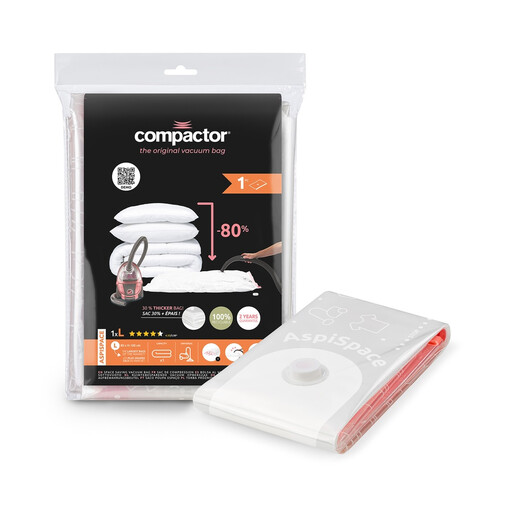
Why we chose it: Perfect for the bulkiest items like a large double duvet or several puffer jackets. Its generous size and compatibility with a standard vacuum make it the essential ally for seasonal changeovers.
Its design incorporates a patented non-return valve and a zip closure with a sealing slider, tackling the problems of poor seals and faulty closures head-on.
Made from a Nylon and Polyethylene blend for enhanced durability. Smart touch: the instructions are printed directly on the bag for foolproof use.
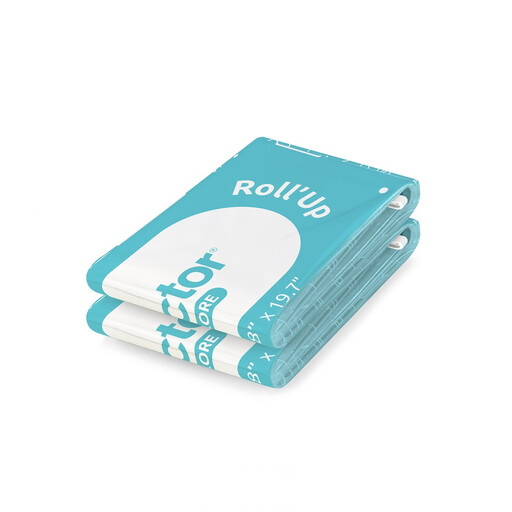
Why we chose it: The dream travel companion. This no-vacuum storage bag is rolled to expel air, freeing up precious space in a suitcase or backpack. Zero equipment required, 100% practical.
The roll-up system does away with a valve, thereby eliminating the main risk of leaks. A simpler and therefore more reliable solution for travel, where there's no room for error.
Lightweight, flat, and endlessly reusable. Just fill, zip, and roll. It's the simplest and most reliable solution for travelling light.
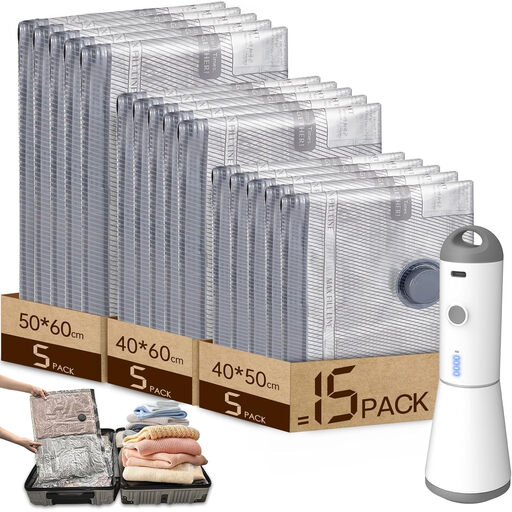
Why we chose it: The ultimate kit for a total reorganisation. With 15 bags in three sizes and a cordless electric pump, it's the turnkey solution for moving house or taking back control of your wardrobes.
The included pump is perfectly calibrated for the valves, which eliminates compatibility issues. The double zip locks in the seal and ends the nightmare of gaping closures.
The cordless pump is portable and fast (around 30 seconds per bag). The Polyamide and Polyethylene material is designed to be robust and reusable.
We've put together a complete selection of roll-up or pump-operated models that meet our criteria for quality and reliability.
Absolutely, provided you choose a quality model. Most are designed to be reused many times. Their longevity depends on the durability of the plastic (look for the PA+PE blend) and how you care for them. To make them last, avoid overfilling them, folding them along the seams, and storing them near sharp objects or heat sources.
There are two options for no-vacuum storage bags. The first is the roll-up bag: place your items inside, close the zip, then roll the bag tightly starting from the sealed end. The air escapes through one-way valves at the other end. The second option is a kit with a pump (manual or electric), often included in a set of storage bags.
They are ideal for all textiles: clothes, coats, duvets, pillows, blankets, towels… They offer unbeatable protection against dust, moisture, moths, and odours. However, be cautious: prolonged compression is not recommended for delicate materials like leather, fur, or very high-end down, as their fibres need to "breathe" to avoid damage.