People who freeze several portions
If you batch-cook or divide up larger shops before freezing, bags and rolls let you choose a size to suit each portion. Bear in mind, though, that a vacuum sealer means buying compatible consumables.


A vacuum sealer is a good choice if you often package portions in different sizes before freezing and are happy to use bags or rolls regularly. For storing and reusing meals you’ve already prepared, containers compatible with a vacuum pump may be more practical. For occasional use, ordinary food containers may be all you need. None of these options replaces refrigeration, instructions for use after opening or recommended storage times for leftovers.
If you batch-cook or divide up larger shops before freezing, bags and rolls let you choose a size to suit each portion. Bear in mind, though, that a vacuum sealer means buying compatible consumables.
If you prepare meals for the coming days and want to reuse the same containers, take a look at the containers and their compatible pump. Their size, how easily they stack and what they can be used for matter just as much as the vacuum-sealing mechanism.
If space is tight or you only package a few portions, compare the space taken up by the machine and its consumables with that of ordinary food containers. A compact machine is still a bag sealer, so you’ll still need replacement bags or rolls.
Start with what you do most often: freezing portions in different sizes, storing meals in containers or packaging food occasionally without a machine. Whichever option you choose, the packaging won’t change the food’s storage instructions.
Consider this if: you regularly prepare portions for freezing, especially when they vary in size.
Bear in mind: you’ll need to use bags or rolls that are compatible with the machine.
Consider this if: you want to store prepared meals in containers you can reuse.
Bear in mind: you’ll need a compatible pump, valves and lids.
Consider this if: you only package portions occasionally and don’t want to invest in a vacuum-sealing system.
Bear in mind: they don’t remove air in the way a vacuum sealer or pump does.
| What to consider | What to check before buying | Who is it for? |
|---|---|---|
| Food storage | Choose materials intended for food contact and a system that’s easy to clean; remember to date your portions. | I want to organise my leftovers without assuming an airtight seal means I can keep them for longer; around 29% of consumers prioritise sticking to recommended storage times. |
| Portions for freezing | For a bag sealer, check which widths it accepts and that compatible bags or rolls are easy to find. | When I divide up a larger shop, I mainly need packaging that suits different portion sizes; freezing is the priority for around 29% of consumers. |
| Meals in containers | Compare the usable capacity, stackability and permitted uses of each container and its lid. | My meals are already portioned and I’d rather store them in reusable containers; for around 24% of consumers, this way of organising food comes ahead of other considerations. |
| Space and consumables | Measure the space needed for the machine and refills; check what’s included in the pack and which accessories are compatible. | I don’t package many portions and don’t want more things to store; around 18% of consumers prioritise a system that’s suited to their needs. |
Vacuum sealing doesn’t make up for a break in the cold chain or allow you to ignore the relevant storage instructions. For homemade leftovers kept in the fridge, the Ministry of Agriculture recommends eating them as soon as possible and within 48 hours at the latest.
Date your portions, follow the instructions for pre-packed food once opened, and use vacuum sealing as a way to package food—not as a way to extend its storage time.
A bag sealer is limited to the formats it accepts. A machine that suits your kitchen will be less convenient if the bags it needs aren’t right for the portions you prepare.
Make a note of the compatible widths and compare replacement bags or rolls with how often you’ll use the machine before choosing one.
A container intended for storage isn’t necessarily suitable for freezing or reheating. The DGCCRF recommends using products intended for food contact and following their instructions for use.
Check the instructions for the bag, container and lid, including the temperatures and appliances they can be used with. Don’t reuse single-use containers.
Bags are useful for portions in different sizes; containers suit a different task: storing a prepared meal and reusing the container. If you choose based on the machine alone, you may overlook what you’ll use most often.
Think about what you do most often—freezing, storing food in the fridge or reusing the container—then choose a system to suit.
These brands offer different formats. Check the features and accessories for the specific model rather than assuming they’re interchangeable.
Bag and roll sealers, with some models also compatible with certain containers.
Worth considering if you want to adjust the suction on a bag sealer.
The FRESH & SAVE system combines a pump with containers, bags and accessories from the same range.
Another range of bag sealers to consider if you’re looking for a machine with replacement rolls.
These products offer two ways to store portions: freezer bags that don’t need a machine, and reusable containers with lids described as vacuum-sealable. For the containers, check which pump you need before relying on the vacuum-sealing feature.
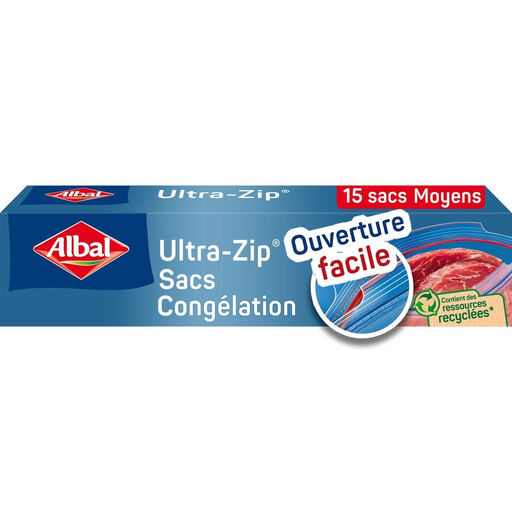 Image unavailable
For packing portions to freeze without a machine: press the double zip closed after removing the air by hand, but bear in mind that this isn’t the same as vacuum sealing.
Each bag measures 27 × 24 cm and has a stated capacity of 3 L. These bags aren’t suitable for the microwave; also check the packaging for instructions on their intended use with food.
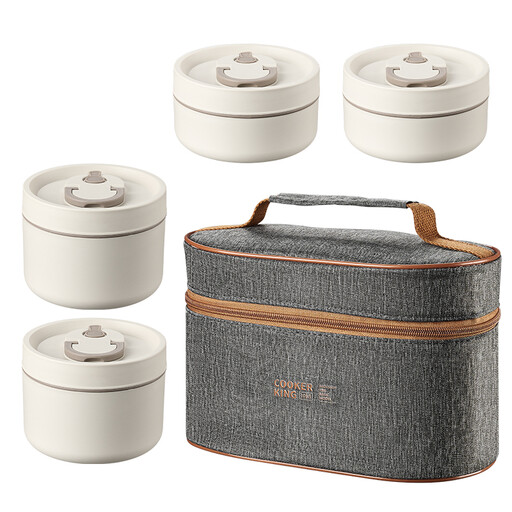 Image unavailable
For storing meals that are already portioned in reusable containers. The set is described as having vacuum-seal lids, but check which pump they need and whether it’s included before relying on this feature.
Also check the manufacturer’s instructions before using the containers in an oven or for steaming.
No. Vacuum sealing at home doesn’t mean you can go past the use-by date of an unopened product. After opening, follow the manufacturer’s instructions on storage conditions and how soon to eat it: the DGCCRF explains that the printed date is no longer the right guide once a product has been opened.
Eat them as soon as possible and within 48 hours at the latest. This is the Ministry of Agriculture’s recommendation for homemade leftovers kept in the fridge. Store them in the coldest part of the fridge, between 0 and 4 °C; vacuum sealing doesn’t extend this time.
Yes, as long as you plan ahead and use airtight packaging suitable for freezing. Date each portion and don’t freeze any food that has reached or passed its use-by date.
No. Choose a container intended for food contact and check that its valve, lid or adaptor is compatible with the exact pump you have. For a bag sealer, also check which widths it accepts and follow the instructions for using the bags.